
| 영문 | white blood cell(WBC), leukocyte | 한글 | 백혈구 |
|---|---|---|---|
| 설명 | 혈액내에 골수구계세포와 림프계세포, 단핵구계세포를 모두 통틀어 말한다. 백혈구의 증가가 있으면 대개 감염이 있거나, 혹은 탈수현상이 있음을 의미한다. 또한 지나친 백혈구수의 감소는 인체내 면역기능이 떨어져 있음을 의미하며, 다른 질병에 의해 나타나는 이차적인 현상이 아닌지 꼭 진단을 받아보아야 한다. |
||
| 영문 | white matter | 한글 | 백색질 |
|---|---|---|---|
| 설명 | 1. 뇌는 두 부분으로 나뉘어져 있다. 대뇌겉질이나 뇌의 중앙부에 위치하는 핵(예를 들면 시상, 시상하부, 바닥핵 등)이 회색질이고 그 외는 백색질이다. 척수의 경우에는 바깥쪽의 하얀부분을 백색질이라 하고, 안쪽의 색깔이 어두운 부분을 회색질이라 한다. 이중 실제적으로 대부분의 신경세포의 돌기 특히 축삭과 말이집으로 구성된 것이 백색질이며, 회색질은 신경세포와 보조하는 세포들이 많은 곳이다. 또한 척수도 백색질과 회색질로 나뉘어 있다. 2. 치아에 점착된 백색 물질로서 세균 및 사상 미생물을 함유한 점액 및 상피세포로 구성된다. 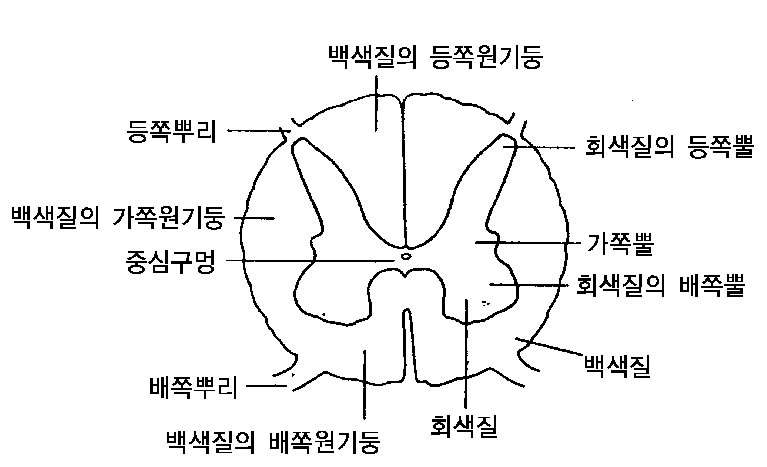 |
||
| 영문 | blood clotting, blood coagulation | 한글 | 혈액응고 |
|---|---|---|---|
| 설명 | 사람의 몸에 상처가 나서 출혈이 있을 경우에 이것을 막고 피를 더이상 나지 않게 하는 것을 지혈이라고 한다. 지혈의 과정에는 크게 두 가지 단계가 있다. 첫번째 단계는 혈소판들이 상처가 나서 손상된 혈관의 부위를 막는 것이다. 이렇게 하면 우선 혈관의 손상부위로 부터 피가 나오는 것을 막을 수가 있다. 다음의 단계는 상처를 막고 있는 혈소판위에 여러 가지 물질들이 작용해서 더욱 단단하게 하여 상처가 난 혈관에서 피가 새는 것을 영구히 막는 것이다. 쉽게 말하면 혈소판은 벽돌에 해당하는 것이고 두번째 과정에 참여하는 물질들은 시멘트에 해당하는 것이다. 이 두 과정이 완전할 경우에 지혈이 순조롭게 일어난다. 혈액응고란 두번째 단계를 지칭하는 말로써 매우 복잡한 단계를 거치는 반응으로 마지막 단계는 섬유소라는 물질이 만들어져서 이 물질이 혈소판과 그 외의 세포를 단단하게 고정시켜 피가 상처난 혈관으로 새는 것을 막는다. 이것을 가장 간단히 설명하자면 크게 다음과 같은 3가지 단계로 이루어진다. 첫번째 단계는 혈관손상에 의해서 프로트롬빈 활성제라는 것이 만들어지는 단계이다. 두번째 단계는 이 프로트롬빈 활성제라는 물질에 의해서 혈액속에 있는 프로트롬빈이라는 물질이 트롬빈이라는 물질로 바뀌는 단계이다. 세번째 단계는 트롬빈이라는 물질에 의해서 섬유소원이라는 물질이 섬유소으로 바뀌는 단계이다. |
||
| 영문 | exchange transfusion | 한글 | 교환수혈 |
|---|---|---|---|
| 설명 | 한쪽으로는 피를 뽑아내면서 다른 쪽으로는 같은 양의 피를 넣어 온몸의 피를 갈아 넣는 수혈방법. 갓난아이의 용혈병의 치료법으로 쓴다. |
||
| 영문 | transfusion | 한글 | 수혈 |
|---|---|---|---|
| 설명 | 건강한 사람에게서 채취한 혈액을, 혈액이나 그 성분이 부족한 환자의 혈관 내에 주입하는 치료 방법. 수혈은 빈혈 또는 각종 대량 실혈과 수술시 피할 수 없는 출혈에 반드시 필요한 구명처치로서 환자의 혈액형에 적합한 양질의 혈액이 요구된다. 수혈은 보통 전혈을 정맥 내에 주입하지만, 때로는 골수 내 또는 동맥 내에 수혈할 때도 있다. 수혈하는 혈액도 전혈이 아닌 액상 성분인 냉장 또는 냉동혈장을 사용할 수 있고, 적혈구나 백혈구-혈소판과 같은 세포성분을 원심분리하여 귀중한 혈액을 더 아끼고 더 효과적으로 쓰고 있다. 수혈의 효과는 순환혈액량을 보충하여 혈압을 유지하고, 부족한 각종 혈액성분을 공급 조정하며, 조혈기능을 자극하는 일 등을 들 수 있다. 긴급한 수혈의 대상은 교통사고 등 외상에 의한 대출혈과 위궤양-자궁외임신 등에 따르는 병적 출혈과 각종 혈액질환에 수반되는 빈혈과 백혈구 및 혈소판 감소, 그리고 혈우병 환자나 다른 환자에서 볼 수 있는 혈액응고인자 부족과 화상환자-간질환 등에서 부족해진 혈장 또는 알부민의 보충과 면역체가 부족하여 감염증이 생긴 환자에게 부족한 항체를 포함한 혈액 또는 혈장제제를 주는 것도 이에 속한다. |
||
| WC | ward clerk; water closet; Weber-Christian [syndrome]; wheel chair; white cell; white cell casts; whi... |
|---|---|
| WBC | well baby care/clinic; white blood cell; white blood cell count; whole blood cell count |
| CBV | capillary blood cell velocity; catheter balloon valvuloplasty; central blood volume; cerebral blood ... |
| TWBC | total white blood cells; total white blood count |
| DRBC | denaturated red blood cell; dog red blood cell; donkey red blood cell |
| W-W | white-on-white |
|---|---|
| WBC | White Blood Cell |
| WBC | White Blood Cell Count |
| WBCC | white blood cell count |
| BT | Blood transfusion |
| white blood cell | <haematology> White corpuscles in the blood. They are spherical, colourless and nucleated masses involved with host defenses. Normal white blood cell counts are variable with age and sex. Normal adult range is 4, 500 to 11,000 cells per cubic millimetre of blood. Slightly higher counts are seen in children. Elevated counts can be seen in cases of inflammation and infection. See: leucocytes, basophils, coelomocytes, eosinophils, haemocytes, lymphocytes, neutrophils, monocytes. Acronym: WBC (13 Nov 1997) |
|---|---|
| white blood cell cast | A urinary cast composed of polymorphonuclear leukocytes, characteristic of tubulointerstitial disease, especially pyelonephritis. (05 Mar 2000) |
| white blood cell count | <haematology> A laboratory test which measures the number of white blood cells per cubic millimetre of blood. Normal white blood cell counts are variable with age and sex. Normal adult range is 4, 500 to 11,000 cells per cubic millimetre of blood. Slightly higher counts are seen in children. Elevated counts can be seen in cases of inflammation and infection. (13 Nov 1997) |
| white blood cell differential | <haematology> The white blood cell differential is a percentage of each type of white blood cell based on a count of 100 white cells. A change in the white blood cell type (to neutrophils or bands) can indicate a bacterial infection. Neutrophils, bands, lymphocytes, monocytes, basophils and eosinophils are all included. (13 Nov 1997) |
| blood component transfusion | The transfer of blood components such as erythrocytes, leukocytes, platelets, and plasma from a donor to a recipient or back to the donor. This process differs from the procedures undertaken in plasmapheresis and types of cytapheresis (plateletpheresis and leukapheresis) where, following the removal of plasma or the specific cell components, the remainder is transfused back to the donor. (12 Dec 1998) |
| blood transfusion | The process of infusing blood products into a patient to raise the individuals concentration of red blood cells. Blood is typed (A, B, O or AB) and crossmatched (mixed together to see if its compatible) prior to transfusion. (27 Sep 1997) |
| blood transfusion, autologous | Reinfusion of blood or blood products derived from the patient's own circulation. (12 Dec 1998) |
| blood transfusion, intrauterine | Transfusion of rh-negative blood into the peritoneal cavity of an unborn infant in the treatment of foetal erythroblastosis (erythroblastosis, foetal) in utero. (12 Dec 1998) |
| blood transfusion reaction | This refers to an immune response against transfused blood cells. Antigens, on the surface of red blood cells, are recognised as foreign proteins and can stimulate sensitised lymphocytes to produce antibodies to the red blood cell antigens. This triggers a complex immunological reaction that results in the destruction of the transfused red blood cell. The blood groups (A, B, AB, O) are classified on the basis of the presence of surface antigens on the red blood cell. Type A blood has A antigens. The plasma component of the blood contains the antibodies against all other blood group antigens other that its own. Another type of surface antigen is known as Rh factor. Rh factor is either present (Rh positive) or absent (Rh negative). Rh compatibility is another requirement for blood transfusion. Symptoms and findings of a transfusion reaction include flank pain, fever, chills, bloody urine, rash, low blood pressure, dizziness and fainting. (27 Sep 1997) |
| incompatible blood transfusion reaction | A syndrome due to intravascular haemolysis of transfused blood by serum antibodies of the recipient, which react with an antigen of the donor red cells; characterised by chills, fever (often with urticaria), backache or muscle cramps, haemoglobinaemia, haemoglobinuria, and oliguria, which may result in acute renal failure, DIC, and death. (05 Mar 2000) |
| exchange transfusion, whole blood | Repetitive withdrawal of small amounts of blood and replacement with donor blood until a large proportion of the blood volume has been exchanged. Used in treatment of foetal erythroblastosis, hepatic coma, sickle cell anaemia, disseminated intravascular coagulation, septicaemia, burns, thrombotic thrombopenic purpura, and fulminant malaria. (12 Dec 1998) |
| white blood cells | White blood cells (WBCs) are cells which circulate in the blood and lymphatic system and harbor in the lymph glands and spleen. They are part of the immune system responsible for both directly (t cells and macrophages) and indirectly (B-cells producing antibodies) attacking foreign invaders of the body. (12 Dec 1998) |
| differential white blood count | An estimate of the percentage of white blood cell types which make up the total white blood cell count. (05 Mar 2000) |
| white cell cast | A cast in the urine composed of white blood cells. (05 Mar 2000) |
| blood cell | <haematology> There are three main types of cell in the blood stream. The red cell, which carries oxygen, the white cell, which fights infections and the platelet, which helps prevent bleeding. The correct balance between each cell type must be maintained for the body to remain healthy. (13 Nov 1997) |
제품명 |
판매사 |
보험코드 | 성분/함량 | 구분/보험급여 |
|---|
제품명 |
판매사 |
보험코드 | 성분/함량 | 구분/보험급여 |
|---|