
| 영문 | severe acute respiratory syndrome(SARS) | 한글 | 사스 |
|---|---|---|---|
| 설명 | 중국 광동 지역에서 가장 먼저 발생한 전염성 호흡기 질환으로 세계보건기구(WHO)에서 ‘중증급성호흡증후군(SARS)'으로 명명했다. 섭씨 38도 이상의 고열과 기침, 호흡곤란, 저산소증, X선상의 폐렴증상 중 하나 이상의 증상이 나타나며, 두통, 근육통, 식욕부진, 피로감, 발진, 설사를 동반할 수 있다. 초기 증상은 감기와 비슷하지만 폐렴으로 발전하면 치명적일 수 있다. 현재 밝혀진 감염경로는 환자가 재채기나 기침할 때 내뿜는 침방울이고, 이것이 다른 사람의 호흡기로 들어갈 때 전염된다. 침방울이 전달되는 거리는 보통 1m로 보고 있다. 공기를 통해 전염이 가능하다는 주장이 제기됐지만 아직 확인되지 않았다. 원인균은 변종 코로나바이러스로 밝혀졌다. |
||
| 영문 | alimentary tract | 한글 | 소화관, 영양관 |
|---|---|---|---|
| 설명 | 입에서 시작하여 항문으로 끝나는 소화를 담당하는 이르는 말. 위창자관이라고도 불린다. |
||
| 영문 | biliary tract | 한글 | 쓸개길, 담도, 담관 |
|---|---|---|---|
| 설명 | 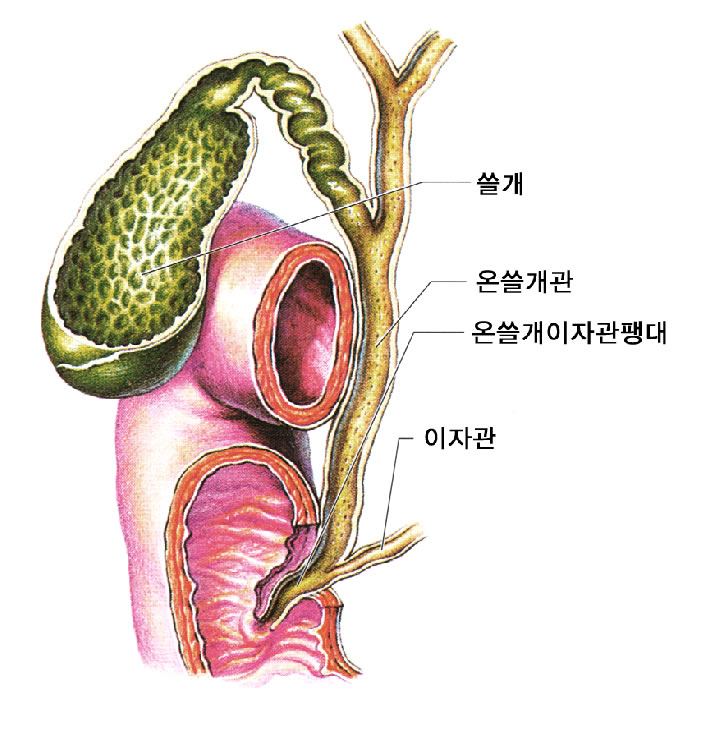 간에서 만들어진 쓸개즙을 수송하는 관조직의 일부. 간에서 만들어진 담즙은 간관, 쓸개관을 거쳐서 쓸개에 보관되었다가 온쓸개관을 통해서 샘창자로 보내진다. 이처럼 간에서 만들어진 담즙이 샘창자까지 배설되는 길로서 길이는 6~7cm 이며 간관, 쓸개관, 온쓸개관 따위로 이루어져 있다. |
||
| 영문 | urinary tract | 한글 | 요로 |
|---|---|---|---|
| 설명 | 오줌을 몸 밖으로 배출하기 위한 길. 콩팥, 요관, 방광, 요도로 이루어져 있다. |
||
| 영문 | severe acute respiratory syndrome(SARS) | 한글 | 중증급성호흡증후군 |
|---|---|---|---|
| 설명 | 중국 광동 지역에서 가장 먼저 발생한 전염성호흡기병으로 세계보건기구(WHO)에서 ‘중증급성호흡증후군(SARS)'으로 명명했다. 섭씨 38도 이상의 고열과 기침, 호흡곤란, 저산소증, X선상의 폐렴증상 중 하나 이상의 증상이 나타나며, 두통, 근육통, 식욕부진, 피로감, 발진, 설사를 동반할 수 있다. 초기 증상은 감기와 비슷하지만 폐렴으로 발전하면 치명적일 수 있다. 현재 밝혀진 감염경로는 환자가 재채기나 기침할 때 내뿜는 침방울이고, 이것이 다른 사람의 호흡기로 들어갈 때 전염된다. 침방울이 전달되는 거리는 보통 1m로 보고 있다. 공기를 통해 전염이 가능하다는 주장이 제기됐지만 아직 확인되지 않았다. 원인균은 변종 코로나바이러스로 밝혀졌다. |
||
| ECG | Electro-Cardio-Graphy(-Gram); 심전도 = EKG 1. Conducting System Structu... |
|---|---|
| LRI | lamina rara interna; lower respiratory [tract] illness; lower respiratory [tract] infection; lymphoc... |
| LRTI | lower respiratory tract illness; lower respiratory tract infection |
| ARD | absolute reaction of degeneration; acute radiation disease; acute respiratory disease; adult respira... |
| CAO | chronic airway obstruction; coronary artery obstruction |
| LVOTO | Left ventricular outflow tract obstruction |
|---|---|
| RVOTO | Right ventricular outflow tract obstruction |
| ARI | Acute Respiratory tract Infections |
| ALRI | Acute lower respiratory tract infection |
| LRT | Lower respiratory tract |
| respiratory tract | The air passages from the nose to the pulmonary alveoli, through the pharynx, larynx, trachea, and bronchi. (05 Mar 2000) |
|---|---|
| respiratory tract fistula | An abnormal passage communicating between any parts of the respiratory tract or between any part of the respiratory system and other organs. (12 Dec 1998) |
| granuloma, respiratory tract | Granulomatous diseases affecting one or more sites in the respiratory tract. (12 Dec 1998) |
| upper respiratory tract | The nasopharynx, oral cavity, and throat. (09 Oct 1997) |
| lower respiratory tract | <anatomy> The trachea, bronchi, and lungs. (09 Oct 1997) |
| lower respiratory tract smear | A group of cytologic specimens containing material from the lower respiratory tract and consisting mainly of sputum (spontaneous, induced) and material obtained at bronchoscopy (aspirated, lavaged, brushed); used for cytologic study of cancer and other diseases of the lungs. Synonym: bronchoscopic smear, sputum smear. (05 Mar 2000) |
| adynamic ileus simulating bowel obstruction | <radiology> Chronic idiopathic intestinal pseudo-obstrction, pelvic surgery, urinary retention, pancreatitis, acute intermittent porphyria, ceroidosis, neonatal adynamic ileus (12 Dec 1998) |
| airway obstruction | Any hindrance to the passage of air into and out of the lungs. (12 Dec 1998) |
| bile duct obstruction, extrahepatic | Impairment of bile flow through the hepatic, cystic, or common bile ducts or vater's ampulla. This is sometimes called surgical jaundice. (12 Dec 1998) |
| biliary obstruction | <gastroenterology, surgery> A blockage of the bile ducts can occur by a stone, tumour, pancreas (pancreatic tumour or swelling), bile duct inflammation, bile duct cysts, trauma, bile duct stricture or enlarged lymph nodes in the area. When bile duct obstruction occurs, bile accumulates in the liver and jaundice develops due to the accumulation of bilirubin in the bloodstream. (27 Sep 1997) |
| bladder outlet obstruction | Any condition that results in the failure of urine to pass from the bladder and out the urethra. One of the most common causes of this in males is benign prostate enlargement. (27 Sep 1997) |
| bowel obstruction | A blockage of the bowel lumen prohibiting the passage of material. Common symptoms include constipation, abdominal swelling and abdominal pain. Treatment includes intravenous fluids, rest, nasogastric suction and surgery in select cases. (27 Sep 1997) |
| gastric outlet obstruction | <paediatrics, surgery> A congenital disorder in which the pylorus is thickened causing obstruction of the gastric outlet (to the duodenum). More common in males, pyloric stenosis. Symptoms of projectile vomiting begin several weeks after birth. Incidence: approximately 1 in 4,000 live births. (27 Sep 1997) |
| gastrojejunal loop obstruction syndrome | <syndrome> A complication of gastrojejunostomy, caused by acute or chronic obstruction of the afferent loop due to hernia, intussusception, kinking, volvulus, etc. It is characterised by pain and vomiting of bile-stained fluid and includes acute afferent loop obstruction and bilious vomiting. (12 Dec 1998) |
| ventricular outflow obstruction | Occlusion of the ventricular outflow or inflow tract on either side of the heart. It may result from a congenital defect or predisposing heart disease, or as a complication of surgery or tumours of the heart or its vessels. (12 Dec 1998) |
제품명 |
판매사 |
보험코드 | 성분/함량 | 구분/보험급여 |
|---|
제품명 |
판매사 |
보험코드 | 성분/함량 | 구분/보험급여 |
|---|