
| 영문 | torticollis, wry neck | 한글 | 기운목, 사경 |
|---|---|---|---|
| 설명 | 목근육이 수축된 상태로, 목이 비틀어져서 머리가 한쪽으로 기우는 증상. 또는 그 증상을 보이는 목. 목 근육이 선천적으로 짧아서 그런 경우가 많으며 후천적으로는 류마치스, 뼈의 이상, 사시나 심인 반응도 원인이 된다. |
||
| 영문 | cervix, neck | 한글 | 목, 경부 |
|---|---|---|---|
| 설명 | 목, 경부를 지칭하는 말. 특히 자궁의 목을 지칭하는데 쓰인다. 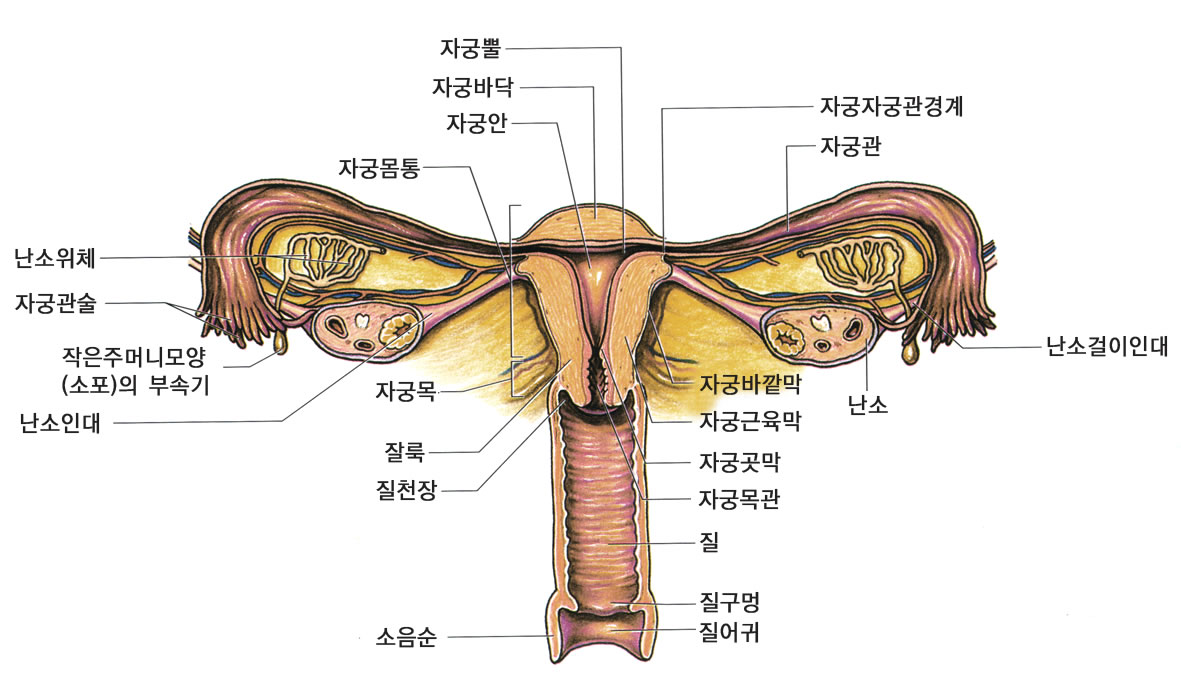 |
||
| 영문 | testicular feminization syndrome | 한글 | 고환여성화증후군 |
|---|---|---|---|
| 설명 | 이차성장을 포함하여, 외성기의 발육은 여성이지만 고환이 존재하고, 자궁과 자궁관이 결핍되어 있는 남성 거짓남녀한몸증의 극단적 형태이다. 이것은 테스토스테론의 작용에 대한 말단기관의 저항에 기인한다. |
||
| 영문 | irritable bowel syndrome | 한글 | 과민성대장증후군 |
|---|---|---|---|
| 설명 | 배변장애, 복통, 복부팽만 등의 증상이 있으나 기질적인 병변이 없음이 확인된 예를 총망라한 임상 증후군이다. 가장 흔한 소화기 질환이며(전소화기 환자의 70~80%) 가장 흔한 질병(전체 인구의 약 20%)이다. 여성이 남성에 비해 2배 정도 많이 발생하며 30대 및 40대에서 호발하고 선진 공업국에서 많이 발생한다. 진단을 위해서는 병력 청취가 가장 중요하고 각종 검사로서 기질병을 제외해야 한다. 치료로는 안정요법(정신과적 면담 및 심리요법, 신경안정제), 식사요법(고섬유질 음식 섭취, 자극성 음식 피하기), 약물 요법(창자경련 진정제, 변비 완화제, 지사제) 등을 사용한다. |
||
| 영문 | withdrawal syndrome | 한글 | 금단증후근 |
|---|---|---|---|
| 설명 | 알코올, 마약, 바비투르산계 최면약 등의 약물을 장기간 복용하여 약물이 없이는 견딜 수 없게된 뒤, 그 약물을 중지한 경우에 나타나는, 고통이 수반되는 신체적 증상을 말한다. 연속 복용의 기간에 따라 증상이 무거워진다. 통상적으로 구토, 설사, 혈압상승, 빠른맥, 땀남, 혼수 등의 증상이 나타난다. |
||
| MS | Maffuci syndrome; maladjustment score; mandibular series; Marfan syndrome; Marie-Strumpell [syndrome... |
|---|---|
| PTS | para-toluenesulfonic acid; postthrombotic syndrome; posttraumatic syndrome; Pressure and Tension Sca... |
| CS | calf serum; campomelic syndrome; carcinoid syndrome; cardiogenic shock; caries-susceptible; carotid ... |
| PCS | palliative care service; Patient Care System; patterns of care study; pelvic congestion syndrome; ph... |
| PTBS | posttraumatic brain syndrome |
| PTE | Posttraumatic epilepsy |
|---|---|
| AAO-HNS | American Academy of Otolaryngology Head and Neck Surgery |
| BNI | Bladder neck incision |
| FN | Femoral neck |
| H&N | Head and Neck |
| posttraumatic neck syndrome | <syndrome> A clinical complex of pain, tenderness, tight neck musculature, vasomotor instability, and ill-defined symptoms such as dizziness and blurred vision as the result of trauma to the neck. Also variously termed occipital or suboccipital neuralgia or neuritis; cervical tension syndrome; cervical myospasm, myositis, or fibrositis. Synonym: cervical fibrositis, cervical tension syndrome. (05 Mar 2000) |
|---|
| posttraumatic stress syndrome | <syndrome> A disorder appearing after a physically or psychologically traumatic event outside the range of usual human experience, (e.g., a serious threat to one's life or seeing a loved one killed), characterised by symptoms of re-experiencing the event, numbing of responsiveness to the environment, exaggerated startle response, guilt feelings, impairment of memory, and difficulties in concentration and sleep. (05 Mar 2000) |
|---|---|
| posttraumatic syndrome | <syndrome> A clinical disorder that often follows head injury, characterised by headache, dizziness, neurasthenia, hypersensitivity to stimuli, and diminished concentration. Synonym: traumatic neurasthenia. (05 Mar 2000) |
| posttraumatic | Occurring as a result of or after injury. (21 Jun 2000) |
| posttraumatic arterial thrombosis | Posttraumatic venous thrombosis, intravascular clotting due to injury to a vessel wall. (05 Mar 2000) |
| posttraumatic automatism | A posttraumatic state in which the individual performs automatically without immediate or later memory of that behaviour. (27 Sep 1997) |
| posttraumatic delirium | Delirium caused by a structural traumatic brain injury. (05 Mar 2000) |
| posttraumatic epilepsy | A convulsive state following and causally related to head injury; with brain damage either manifested clinically or ascertained by special examinations such as computed tomography. To assume causal relationship, the individual must have had no previous epilepsy, no cerebral disease, and no other brain trauma. The attacks should have started, depending on the severity of the wounding, within 3 months to 2 years of the alleged trauma and be of a type compatible with the site of injury and the EEG abnormalities. (05 Mar 2000) |
| posttraumatic hydrocephalus | Ventricular dilation following injury, due either to impaired circulation and/or absorption of cerebrospinal fluid or due to loss of brain substance (h. Ex vacuo). (05 Mar 2000) |
| posttraumatic leptomeningeal cyst | A persistent cystic accumulation of cerebrospinal fluid with progressive loss of bone and dura, occurring at the site of a previous fracture. (05 Mar 2000) |
| posttraumatic neurosis | Any functional nervous disorder following an accident or injury. See: posttraumatic stress disorder. Synonym: accident neurosis, posttraumatic neurosis. (05 Mar 2000) |
| posttraumatic osteoporosis | Atrophy of bones, commonly of the carpal or tarsal bones, following a slight injury such as a sprain. See: causalgia, reflex sympathetic dystrophy. Synonym: acute reflex bone atrophy, posttraumatic osteoporosis, Sudeck's syndrome. Origin: L. English sweat (05 Mar 2000) |
| posttraumatic pericarditis | Pericardial inflammation developing following injury to the chest. (05 Mar 2000) |
| posttraumatic psychosis | Psychosis following trauma, especially to the head. Compare: traumatic psychosis. (05 Mar 2000) |
| posttraumatic stress | A psychological disorder that develops in some individuals who have had major traumatic experiences (and, for example, have been in a serious accident or through a war). The person is typically numb at first but later has symptoms including depression, excessive irritability, guilt (for having survived while others died), recurrent nightmares, flashbacks to the traumatic scene, and overreactions to sudden noises. Posttraumatic stress became known in the 70s due to the adjustment problems of some vietnam veterans. It was listed as a diagnostic category by the american psychiatric association in 1980. Although the name post-traumatic stress was new, the condition was not. It was known as shell shock in world war i and battle fatigue during world war II. (12 Dec 1998) |
| posttraumatic stress disorder | Development of characteristic symptoms following a psychologically traumatic event that is generally outside the range of usual human experience; symptoms include numbed responsiveness to environmental stimuli, a variety of autonomic and cognitive dysfunctions, and dysphoria. (05 Mar 2000) |
제품명 |
판매사 |
보험코드 | 성분/함량 | 구분/보험급여 |
|---|
제품명 |
판매사 |
보험코드 | 성분/함량 | 구분/보험급여 |
|---|