
| 영문 | intermittent positive pressure breathing(IPPB) | 한글 | 간헐적양압호흡 |
|---|---|---|---|
| 설명 | 폐를 팽창시키기 위하여 대기압보다 높은 압력을 이용하는 인공호흡법이다. 신생아 무기폐의 치료나 만성 폐쇄성 호흡기 질환의 급성 악화시, 진단을 위한 가래의 배출을 위하여, 또는 약제의 흡입에 사용하고 있다. 합병증으로 공기가슴증이나 심박출량의 감소가 올 수 있다. |
||
| 영문 | biliary tract | 한글 | 쓸개길, 담도, 담관 |
|---|---|---|---|
| 설명 | 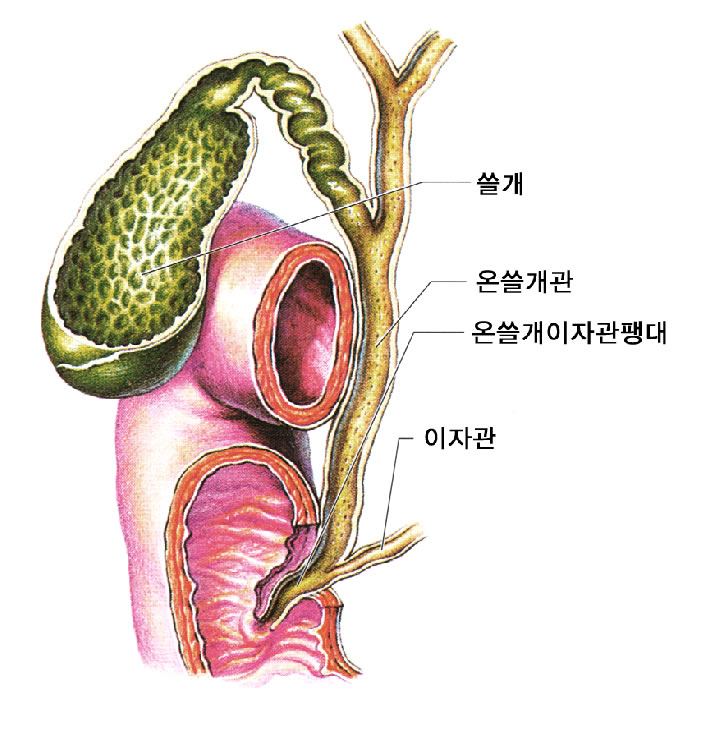 간에서 만들어진 쓸개즙을 수송하는 관조직의 일부. 간에서 만들어진 담즙은 간관, 쓸개관을 거쳐서 쓸개에 보관되었다가 온쓸개관을 통해서 샘창자로 보내진다. 이처럼 간에서 만들어진 담즙이 샘창자까지 배설되는 길로서 길이는 6~7cm 이며 간관, 쓸개관, 온쓸개관 따위로 이루어져 있다. |
||
| 영문 | hyperthermia, fever | 한글 | 고열 |
|---|---|---|---|
| 설명 | 체온조절 중추가 이상을 초래해 체온이 계속 상승하여 지속되고 있는 상태를 말한다. 원인은 다양하며 체온조절 중추의 장애(뇌질환), 조직장애에 의한 것이 있다. 체온은 일반적으로 겨드랑이, 입안, 곧창자에서 재고, 시간은 10분을 필요로 한다. 통상 37℃ 이하(겨드랑이)로, 입안 온도는 이보다 0.1~0.2℃ 높으며, 곧창자온도는 0.2~0.5℃ 높다. 고체온증에서도 동결과 유사한 세포 변화가 나타난다. 즉 혈관내피세포에 손상이 생기고 혈관투과가 증가되어 부종, 수포 등이 형성된다. |
||
| 영문 | dengue fever | 한글 | 뎅기 |
|---|---|---|---|
| 설명 | 주로 열대지방에서 발생하는 바이러스성 열병. 4~8일의 잠복기를 거쳐 급격하게 발열하고, 결막충혈-관절통-근육통-백혈구감소 등의 증상을 보인다. 대부분 7~10일 후에는 회복되며, 사망하는 예는 드물다. 미국의 세균학자인 C.F. 크레이그는 1907년 필리핀에서 뎅기열은 모기에 의해 감염된다는 것을 확인-보고했다. 제2차 세계대전 직후 미국의 세균학자 A. B. 세이빈은 그의 연구에 의해 뎅기열 바이러스에는 면역학적으로 네가지 형이 있다고 밝혔다. 뎅기열 바이러스를 매개하는 모기에는 이집트숲모기(Aedes aegypti)와 흰줄숲모기(Aedes albopictus)가 알려져 있다. 이 병에 걸리고 나면 면역이 생기지만 지속기간은 비교적 짧다. |
||
| 영문 | typhus fever | 한글 | 발진티푸스 |
|---|---|---|---|
| 설명 | 고열과 발진이 주증세인 열성-급성의 법정전염병. 세계보건기구(WHO)의 보건규칙에 의한 국제 감시 전염병의 하나이기도 하다. 또한, 이 병의 유행은 전쟁과 관계가 깊어 전쟁티푸스 또는 기근열-교도소열 등의 별명이 있다. 그것은 이 병의 매개곤충인 ‘옷이’가 의류나 몸이 더러울 때 발생하기 쉬우므로 군대나 교도소, 전쟁터 등 환경이 나쁜 곳에서 크게 유행하게 되었기 때문이었다. 제1차 세계대전 당시 러시아에서 발생한 환자의 수는 2,500만 명이나 되었고, 영국과 기타 유럽에서도 전쟁-기근 때문에 이 병이 대유행했던 기록이 있으며, 일본에서도 제2차 세계대전 직후에 유행 했었다. 오늘날에는 아프리카-유럽-아시아의 일부지역에만 존재할 뿐이다. 병원체는 리케차 프로바제키(Rickettsia prowazeki)로 옷이에 기생증식하여 옷이의 분변과 함께 배설되면서 옷이가 흡혈하기 위해 피부에 준 상처나 사람이 손으로 긁어 생긴 상처를 통하여 감염된다. 잠복기간은 10~14일이며 급작스런 오한이나 함께 발열하여 3일 정도 경과되면 40℃ 전후의 고열이 나게 되고, 두통-관절통-결막충혈 등과 지름 2mm 안팎의 붉고 작은 출혈성 발진이 온몸에 많이 생긴다. 증세는 장티푸스와 비슷하고, 바일-펠릭스반응(Weil-Felix test)이라 하는 혈청반응에 의해 감별된다. 클로람페니콜이나 테트라사이클린계의 항생물질이 특효를 보여 치사율도 낮아졌다(20%). 예방으로는 살충제로 옷이를 구제하는 것이 가장 중요하며, 발진티푸스백신 접종도 유효하다. |
||
| ECG | Electro-Cardio-Graphy(-Gram); 심전도 = EKG 1. Conducting System Structu... |
|---|---|
| HFRS | Hemorrhagic Fever with Renal Syndrome [HP 849-50] = Korean Hemorrhagic Fever &nbs... |
| IC | icteric, icterus; immune complex; immunoconjugate; immunocytochemistry; immunocytotoxicity; impedanc... |
| IMV | inferior mesenteric vein; intermittent mandatory ventilation; intermittent mechanical ventilation; i... |
| IPD | idiopathic Parkinson disease; idiopathic protracted diarrhea; immediate pigment darkening; increase ... |
| ABP | Acute biliary pancreatitis |
|---|---|
| BA | Biliary atresia |
| BEC | Biliary epithelial cells |
| BGP | Biliary glycoprotein |
| BGP I | Biliary glycoprotein I |
| Charcot's intermittent fever | Fever, chills, right upper quadrant pain, and jaundice associated with intermittently obstructing common duct stones. (05 Mar 2000) |
|---|---|
| hepatic intermittent fever | Ague-like paroxysms of fever occurring in cases of one or more stones in the common bile duct. (05 Mar 2000) |
| intermittent malarial fever | See: intermittent malaria. (05 Mar 2000) |
| biliary fever of dogs | A form of babesiosis (piroplasmosis) of the dog characterised by fever and icterus and caused by Babesia canis. (05 Mar 2000) |
| biliary fever of horses | <veterinary> A disease of horses caused by species of Babesia and characterised by high fever, icterus, and enlargement of the spleen and lymph nodes. Synonym: biliary fever of horses, equine biliary fever. (05 Mar 2000) |
| equine biliary fever | <veterinary> A disease of horses caused by species of Babesia and characterised by high fever, icterus, and enlargement of the spleen and lymph nodes. Synonym: biliary fever of horses, equine biliary fever. (05 Mar 2000) |
| acute intermittent porphyria | <gastroenterology, haematology> A group of rare inherited metabolic disorders that result from a disturbance in porphyrin metabolism, causing increased formation and excretion of porphyrin or its precursors. It is caused by hepatic overproduction of d-aminolevulinic acid, which has greatly increased urinary excretion and of porphobilinogen, and some increase of uroporphyrin, due to a deficiency of porphobilinogen deaminase. Clinical features: intermittent acute attacks of hypertension, abdominal colic, psychosis, and polyneuropathy, but with no photosensitivity. It is exacerbated by the ingestion of certain drugs such as; barbiturates). Inheritance: autosomal dominant. (20 Sep 2002) |
| porphyria, acute intermittent | A form of hepatic porphyria (porphyria, hepatic) characterised by periodic attacks of gastrointestinal disturbances, abdominal colic, paralyses, and psychiatric disorders. The onset of this condition is usually in the third or fourth decade of life. (12 Dec 1998) |
| spontaneous intermittent mandatory ventilation | Intermittent mandatory ventilation spontaneously initiated by the patient, to increase tidal volume, and subsequently synchronised with patient's respiratory cycle. Synonym: synchronised intermittent mandatory ventilation. (05 Mar 2000) |
| synchronised intermittent mandatory ventilation | Intermittent mandatory ventilation spontaneously initiated by the patient, to increase tidal volume, and subsequently synchronised with patient's respiratory cycle. Synonym: synchronised intermittent mandatory ventilation. (05 Mar 2000) |
| intermittent | Occurring at separated intervals, having periods of cessation of activity. (18 Nov 1997) |
| intermittent acute porphyria | <gastroenterology, haematology> A group of rare inherited metabolic disorders that result from a disturbance in porphyrin metabolism, causing increased formation and excretion of porphyrin or its precursors. It is caused by hepatic overproduction of d-aminolevulinic acid, which has greatly increased urinary excretion and of porphobilinogen, and some increase of uroporphyrin, due to a deficiency of porphobilinogen deaminase. Clinical features: intermittent acute attacks of hypertension, abdominal colic, psychosis, and polyneuropathy, but with no photosensitivity. It is exacerbated by the ingestion of certain drugs such as; barbiturates). Inheritance: autosomal dominant. (20 Sep 2002) |
| intermittent albuminuria | <nephrology> Functional albuminuria occurring at intervals, such as cyclic albuminuria or albuminuria of athletes. (05 Mar 2000) |
| intermittent arthralgia | A condition in which pain and swelling of one or more joints, most commonly the knee, occurs at regular intervals; there is sometimes abdominal pain, purpura, or oedema. Synonym: intermittent arthralgia. (05 Mar 2000) |
| intermittent claudication | <symptom> A symptom complex characterised by leg pain and weakness brought on by walking, with the disappearance of the symptoms following a brief rest. (12 Dec 1998) |
제품명 |
판매사 |
보험코드 | 성분/함량 | 구분/보험급여 |
|---|
제품명 |
판매사 |
보험코드 | 성분/함량 | 구분/보험급여 |
|---|