
| 영문 | hepatic duct | 한글 | 간관 |
|---|---|---|---|
| 설명 | 간에서 생성된 담즙이 지나는 통로로 간에서 직접 담즙을 운반하는 관을 말한다. 간에서 만들어진 담즙은 간관, 쓸개주머니관를 거쳐서 쓸개에 보관되었다가 온쓸개관을 통해서 샘창자로 보내진다.  |
||
| 영문 | lacrimal duct | 한글 | 눈물관 |
|---|---|---|---|
| 설명 | 눈물이 흘러내리는 통로에 해당한다. 눈물은 대개 눈물샘에서 만들어져 눈을 적신 뒤에, 여기를 거쳐서 눈물주머니에 모인 뒤, 코눈물관으로 흘러 코 안쪽으로 내려가게 된다. 만약 여기가 막히면, 눈물이 계속 고이게 되어 계속 눈물을 흘리게 되며, 또한 병균의 서식처가 되어 감염의 위험성이 높아진다. 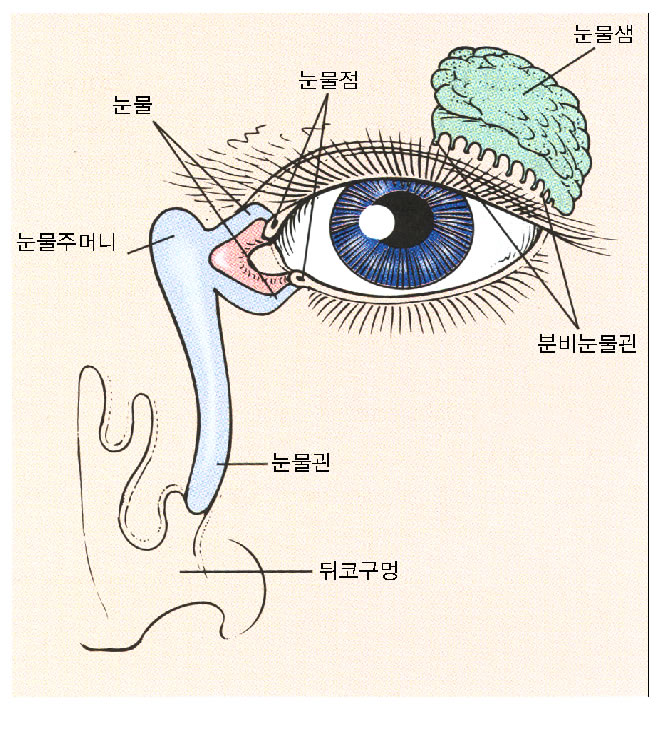 |
||
| 영문 | pancreatic duct | 한글 | 이자관, 췌장관 |
|---|---|---|---|
| 설명 | 이자에서 이자액을 분비하도록 샘창자로 이어진 관. 이자관은 샘창자의 중간부에서 온쓸개관과 같이 개구한다. |
||
| 영문 | nasolacrimal duct | 한글 | 코눈물관 |
|---|---|---|---|
| 설명 | 눈물은 대개 눈물샘에서 만들어져 눈을 적신 뒤에 누관을 거쳐서 눈물주머니에 모인 뒤에 이 코눈물관으로 흘러 코 안쪽으로 내려가게 된다. 만일 여기가 막히면, 눈물이 계속 고이게 되어 계속 눈물을 흘리게 되며, 또한 병균의 서식처가 되어 감염의 위험성이 높아진다. |
||
| 영문 | ovarian cancer | 한글 | 난소암 |
|---|---|---|---|
| 설명 | 여성의 난소에 발생하는 암. 부인과종양으로서 50세 이상 여성악성종양의 약 18%를 차지한다. 종양은 대개 복부 깊숙히 위치하므로 종양이 많이 진행된 상태에서 발견되는 수가 많으며, 또한 종양의 초기에는 증상이 거의 없는 경우가 많아 더욱 조기발견이 어렵다. 아주 다양한 종류의 암이 발생하며, 예후도 각기 그 종양의 종류에 따라 다르다. 대표적인 암으로 장성낭샘암종(serous cystadenocarcinoma), 점액낭샘암종(mucinous cystadenocarcinoma), 종자세포종(germinoma 등이 있다. 치료는 수술적 치료가 선행되어야 하지만, 많이 진행되어 이미 다른 조직으로 전이가 이루어진 상태에서는 화학요법이 선택적으로 사용된다. |
||
| AFP | Alpha(α) Feto-Protein [HP 1826, 1858, 1859, 2265] ; Oncofetal Antigens &nbs... |
|---|---|
| CD | cadaver donor; canine distemper; canine dose; carbohydrate dehydratase; carbon dioxide; cardiac dise... |
| TDF | testis-determining factor; thoracic duct fistula; thoracic duct flow; time-dose fractionation; tissu... |
| CEA | Carcino-Embryonic Antigen [HP 1825-6] ; Oncofetal Antigens ; Glycopro... |
| CC | calcaneal-cuboid; calcium cyclamate; cardiac catheterization; cardiac contusion; cardiac cycle; card... |
| BDL | Bile Duct Ligated |
|---|---|
| BD | Bile duct |
| BDL | Bile duct ligation |
| CDC | Collecting duct carcinoma |
| CBD | Common Bile Duct |
| American Cancer Society | <address, organisation> American Cancer Society, National Headquarters, 1599 Clifton Road, NE, Atlanta, GA 30329 USA. Tel: 00 1 404 320-3333 (05 Feb 1998) |
|---|---|
| bladder cancer | The most common warning sign of bladder cancer is blood in the urine. The diagnosis of bladder cancer is supported by findings in the medical history and examination, blood, urine, and X-ray tests, and confirmed with a biopsy (usually during a cystoscope exam). Treatment of bladder cancer depends on the growth, size, and location of the tumour. (12 Dec 1998) |
| bladder cancer risks | Smoking is a major risk factor. Cigarette smokers develop bladder cancer 2-3 times more often than do nonsmokers. Quitting smoking reduces the risk of bladder cancer, lung cancer, several other types of cancer, and a number of other diseases as well. Workers in some occupations are at higher risk of developing bladder cancer because of exposure to carcinogens (cancer-causing substances) in the workplace. These workers include people in the rubber, chemical, and leather industries, as well as hairstylists, machinists, metal workers, printers, painters, textile workers, and truck drivers. (12 Dec 1998) |
| bone cancer | <oncology> A general term to imply malignant tumour growth in bone. (27 Sep 1997) |
| bovine cancer eye | A malignant squamous cell carcinoma of cattle, especially the Hereford breed, that originates in the conjunctival mucous membranes or the surrounding skin; it occurs principally in range cattle having unpigmented skin around the eye and living in regions of intense sunlight. (05 Mar 2000) |
| BRCA1 breast cancer susceptibility gene | This mutated (changed) version of the BRCA1 gene makes a person susceptible to developing breast cancer. (12 Dec 1998) |
| breast cancer | <oncology> The uncontrolled growth of malignant breast tissue. Breast cancer is currently the most common cancer in women and the leading cause of cancer-related death in the 15-54 age group. Strong risk factors include a prior history for breast cancer or a positive family history for breast cancer. Early detection is possible through the use of monthly breast self-examination, annual clinical exams and mammography. WWW: cancerNET document for patients WWW: cancerNET document for clinicians (05 Jan 1998) |
| breast cancer susceptibility genes | Inherited factors that predispose to breast cancer. Put otherwise, these genes make one more susceptible to the disease and so increase the risk of developing breast cancer. Two of these genes, BRCA1 and BRCA2, have been identified (and prominently publicised). Several other genes (those for the Li-Fraumeni syndrome, Cowden disease, Muir-Torre syndrome, and ataxia-telangiectasia) are also known to predispose to breast cancer. However, since all of these known breast cancer susceptibility genes together do not account for more than a minor fraction (1/5th at most) of breast cancer that clusters in families, it is clear that more breast cancer genes remain to be discovered. (12 Dec 1998) |
| buyo cheek cancer | betel cancer |
| cancer | <oncology> The first historical description of this condition was in relation to breast carcinoma. This is now a general term for more than 100 diseases that are characterised by uncontrolled, abnormal growth of cells. Cancer cells can spread locally or through the bloodstream and lymphatic system to other parts of the body. (18 Nov 1997) |
| cancer antigen 125 test | Test for cell-surface antigen found on derivatives of coelomic epithelium. Elevated levels of this antigen are associated with ovarian malignancy and benign pelvic disease such as endometriosis. (05 Mar 2000) |
| cancer, bladder | Cancer of the organ responsible for temporarily holding urine after it leaves the kidneys. The most common warning sign of cancer in the bladder (the hollow organ in the lower abdomen that stores urine) is blood in the urine. The diagnosis of bladder cancer is supported by findings of the medical history and examination, blood, urine, and X-ray tests, and confirmed with a biopsy (usually during a cystoscope exam). (12 Dec 1998) |
| cancer bodies | Discrete, acidophilic or amphophilic, hyaline body's of various shapes and sizes, occurring in the cytoplasm of some of the neoplastic cells and also extracellularly in the stroma of various carcinomas and sarcomas; formerly regarded by some observers as parasitic causal agents, but now thought to be products of cell necrosis (apoptosis). (05 Mar 2000) |
| cancer, bone | Cancer of the skeleton. Cancers that begin in bone are rare but it is not unusual for cancers to spread (metastasize) to bone from other parts of the body. This is not called bone cancer, but is named for the organ or tissue in which the cancer begins. Pain is the most frequent symptom of cancer of the bone. Diagnosis of cancer of the bone is supported by findings of the medical history and examination, blood and X-ray tests and confirmed with a biopsy. (12 Dec 1998) |
| cancer, brain | Cancer of the central information processing centre of the body. Tumours in the brain can be malignant or benign and can occur at any age. Primary brain tumours initially form in the brain tissue. Secondary brain tumours are cancers that have spread to the brain tissue (metastasized) from elsewhere in the body. (12 Dec 1998) |
제품명 |
판매사 |
보험코드 | 성분/함량 | 구분/보험급여 |
|---|
제품명 |
판매사 |
보험코드 | 성분/함량 | 구분/보험급여 |
|---|