¼±Åà - È­»ìǥŰ/¿£ÅÍŰ ´Ý±â - ESC

 
"crossed pyramidal tract"¿¡ ´ëÇÑ °Ë»ö °á°úÀÔ´Ï´Ù. °Ë»ö °á°ú º¸´Â µµÁß¿¡ Tab ۸¦ ´©¸£½Ã¸é °Ë»ö âÀÌ ¼±Åõ˴ϴÙ.
¾Ë±â½¬¿î ÀÇÇпë¾îÇ®ÀÌÁý, ¼­¿ïÀÇ´ë ±³¼ö ÁöÁ¦±Ù, °í·ÁÀÇÇÐ ÃâÆÇ À¯»ç °Ë»ö °á°ú : 3 ÆäÀÌÁö: 1
¿µ¹® alimentary tract ÇÑ±Û ¼ÒÈ­°ü, ¿µ¾ç°ü
¼³¸í   
  ÀÔ¿¡¼­ ½ÃÀÛÇÏ¿© Ç×¹®À¸·Î ³¡³ª´Â ¼ÒÈ­¸¦ ´ã´çÇϴ À̸£´Â ¸». À§Ã¢ÀÚ°üÀ̶ó°íµµ ºÒ¸°´Ù.
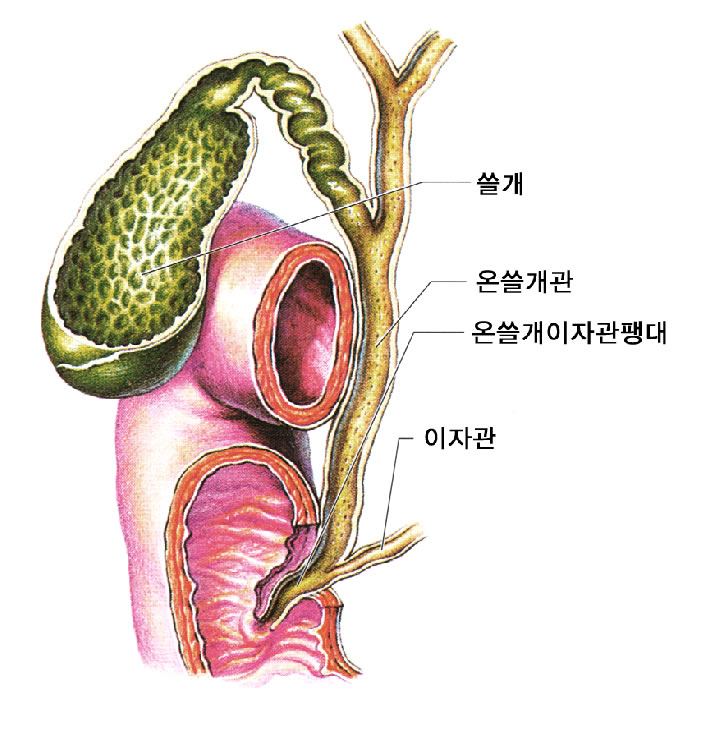
¿µ¹® biliary tract ÇÑ±Û ¾µ°³±æ, ´ãµµ, ´ã°ü
¼³¸í   
  ¾µ°³±æ, ´ãµµ, ´ã°ü
  
  °£¿¡¼­ ¸¸µé¾îÁø ¾µ°³ÁóÀ» ¼ö¼ÛÇϴ °üÁ¶Á÷ÀÇ ÀϺÎ. °£¿¡¼­ ¸¸µé¾îÁø ´ãÁóÀº °£°ü, ¾µ°³°üÀ» °ÅÃļ­ ¾µ°³¿¡ º¸°üµÇ¾ú´Ù°¡ ¿Â¾µ°³°üÀ» ÅëÇØ¼­ »ùâÀڷΠº¸³»Áø´Ù. ÀÌó·³ °£¿¡¼­ ¸¸µé¾îÁø ´ãÁóÀÌ »ùâÀÚ±îÁö ¹è¼³µÇ´Â ±æ·Î¼­ ±æÀ̴ 6~7cm À̸砰£°ü, ¾µ°³°ü, ¿Â¾µ°³°ü µûÀ§·Î ÀÌ·ç¾îÁ® ÀÖ´Ù.
¿µ¹® urinary tract ÇÑ±Û ¿ä·Î
¼³¸í   
  ¿ÀÁÜÀ» ¸ö ¹ÛÀ¸·Î ¹èÃâÇϱâ À§ÇÑ ±æ. ÄáÆÏ, ¿ä°ü, ¹æ±¤, ¿äµµ·Î ÀÌ·ç¾îÁ® ÀÖ´Ù.
´ëÇÑÀÇÇù ÀÇÇпë¾î »çÀü °Ë»ö À¯»ç °Ë»ö °á°ú : 15 ÆäÀÌÁö: 1
  • ¿µ¹®
    ÇѱÛ
  • pyramidal tract
    ÇǶó¹Ìµå·Î, Ãßü·Î
  • pyramidal tract response
    ÇǶó¹Ìµå·Î¹ÝÀÀ, Ãßü·Î¹ÝÀÀ
  • crossed adductor reflex
    ±³Â÷¸ðÀ½±Ù¹Ý»ç, ±³Â÷³»Àü±Ù¹Ý»ç
  • crossed diplopia
    ±³Â÷º¹½Ã
  • crossed extension
    ±³Â÷½ÅÀü, ±³Â÷Æï
  • crossed extension reflex
    ±³Â÷Æï¹Ý»ç, ±³Â÷½ÅÀü¹Ý»ç
  • crossed hemianesthesia
    ±³Â÷¹Ý°¨°¢¼Ò½Ç
  • crossed hemianopia
    ±³Â÷¹Ý¸Í
  • crossed immunoelectrophoresis
    ±³Â÷¸é¿ªÀü±âÀ̵¿(¹ý)
  • crossed paralysis
    ±³Â÷¸¶ºñ
  • crossed reflex
    ±³Â÷¹Ý»ç
  • external pyramidal layer
    ¹Ù±ùÇǶó¹Ìµå¼¼Æ÷Ãþ, ¿ÜÃøÃßü¼¼Æ÷Ãþ
  • large pyramidal neuron
    Å«ÇǶó¹Ìµå¼¼Æ÷, ´ëÃßü½Å°æ¼¼Æ÷
  • pyramidal
    ÇǶó¹Ìµå-
  • pyramidal cell
    ÇǶó¹Ìµå¼¼Æ÷
´ëÇÑÀÇÇù Çʼö ÀÇÇпë¾îÁý »çÀü °Ë»ö À¯»ç °Ë»ö °á°ú : 15 ÆäÀÌÁö: 1
  • ¿µ¹®
    ÇѱÛ
  • pyramidal tract
    ÇǶó¹Ìµå·Î, Ãßü·Î
  • pyramidal cell
    ÇǶó¹Ìµå¼¼Æ÷
  • tract
    ±æ, ·Î, µµ, °ü
  • aerodigestive tract
    È£Èí¼ÒÈ­°ü
  • biliary tract
    ´ãµµ, ´ã°ü, ¾µ°³±æ
  • bypass tract
    ¹æ½Ç¿ìȸ·Î
  • corticospinal tract
    °ÑÁúô¼ö·Î, ÇÇÁúô¼ö·Î
  • descending tract
    ³»¸²±æ, ÇÏÇà·Î
  • digestive tract
    ¼ÒÈ­°ü
  • fistulous tract
    »û±æ
  • gastrointestinal tract
    À§Ã¢ÀÚ±æ, À§Àå°ü
  • genital tract
    »ý½Ä°ü, »ý½Ä±æ
  • genitourinary tract
    ºñ´¢»ý½Ä°ü
  • lateral corticospinal tract
    °¡ÂʰÑÁúô¼ö·Î, °¡ÂÊÇǶó¹Ìµå·Î
  • lateral spinothalamic tract
    °¡ÂÊô¼ö½Ã»ó·Î
¿¾ ´ëÇÑÀÇÇù ÀÇÇпë¾î »çÀü °Ë»ö À¯»ç °Ë»ö °á°ú : 15 ÆäÀÌÁö: 1
  • ¿µ¹®
    ÇѱÛ
  • pyramidal tract
    ÇǶó¹Ô·Î
  • pyramidal tract response
    ÇǶó¹Ô·Î¹ÝÀÀ, Ãßü·Î¹ÝÀÀ
  • crossed diplopia
    ±³Â÷º¹½Ã
  • crossed extension
    ±³Â÷½ÅÀü, ±³Â÷Æï
  • crossed hemianesthesia
    ±³Â÷¹Ý°¨°¢¼Ò½Ç
  • crossed hemianopia
    ±³Â÷¹Ý¸Í
  • crossed immunoelectrophoresis
    ±³Â÷¸é¿ªÀü±âÀ̵¿¹ý
  • crossed paralysis
    ±³Â÷¸¶ºñ
  • crossed adductor reflex
    ±³Â÷¸ðÀ½±Ù¹Ý»ç
  • crossed extension reflex
    ±³Â÷Æï¹Ý»ç
  • crossed renal ectopia
    ¾ù°¥¸°ÄáÆÏµý°÷Áõ
  • pyramidal cell
    ÇǶó¹Ô¼¼Æ÷
  • pyramidal decussation
    ÇǶó¹Ô±³Â÷
  • pyramidal disease
    ÇǶó¹Ô½Å°æ·Îº´, Ãßü½Å°æ·Îº´
  • external pyramidal layer
    ¹Ù±ùÇǶó¹Ô¼¼Æ÷Ãþ, ¹Ù±ùÇǶó¹ÔÃþ
¿¾ ´ëÇÑÀÇÇù 2 ÀÇÇпë¾î »çÀü °Ë»ö À¯»ç °Ë»ö °á°ú : 15 ÆäÀÌÁö: 1
  • ¿µ¹®
    ÇѱÛ
  • anterior corticospinal tract anterior pyramidal tract
    ¾Õ°ÑÁúô¼ö·Î ¾ÕÇǶó¹Ô·Î
  • immunoelectrophoresis, crossed
    ±³Â÷¸é¿ªÀü±â¿µµ¿¹ý
  • Lateral corticospinal tractLateral pyramidal tract
    °¡ÂʰÑÁúô¼ö·Î°¡ÂÊÇǶó¹Ô·Î
  • anterior pyramidal tract =direct p. t.
    1. ÀüÇÇÁúô¼ö·Î(îñù«òõô±âÐÖØ). 2. ÃßüÀü»è·Î(õÞô÷îñßãÖØ).
  • Giant pyramidal cells
    Å«ÇǶó¹Ô½Å°æ¿ø(ãêÌèêª)
  • giant pyramidal cell
    Å«ÇǶó¹Ô½Å°æ¿ø, °Å´ëÃßü¼¼Æ÷(¡­õÐô÷á¬øà).
  • pyramidal area
    Ãßü¾ß, ÇǶó¹Ô¿µ¿ª.
  • pyramidal cataract
    ÇǶó¹Ô¹é³»Àå, ¿øÃß»ó¹é³»Àå
  • pyramidal cell
    ÇǶó¹Ô¼¼Æ÷, Ãßü¼¼Æ÷.
  • pyramidal cell
    ÇǶó¹Ô¼¼Æ÷
  • pyramidal decussation
    Ãßü±³Â÷(¡­Îßó©).
  • pyramidal decussation
    ÇǶó¹Ô±³Â÷
  • pyramidal decussation
    ÃßüaÂ÷(¡­Îßó©). ?ÇØºÎ
  • pyramidal decussation syndrome
    ÇǶó¹Ô±³Â÷ÁõÈıº, Ãßü±³Â÷ÁõÈıº.
  • pyramidal degeneration
    Ãßüº¯¼º(õÞô÷ܨàõ)
¿¾ ´ëÇÑÀÇÇù 3 ÀÇÇпë¾î »çÀü °Ë»ö À¯»ç °Ë»ö °á°ú : 15 ÆäÀÌÁö: 1
  • ¿µ¹®
    ÇѱÛ
  • anterior corticospinal tract anterior pyramidal tract
    ¾Õ°ÑÁúô¼ö·Î ¾ÕÇǶó¹Ô·Î
  • lateral corticospinal tract lateral pyramidal tract
    °¡ÂʰÑÁúô¼ö·Î °¡ÂÊÇǶó¹Ô·Î
  • crossed callosal tract
    ±³Â÷¼º ³ú·®·Î(¡­ÒàåÄÖØ).
  • anterior pyramidal tract =direct p. t.
    1. ÀüÇÇÁúô¼ö·Î(îñù«òõô±âÐÖØ). 2. ÃßüÀü»è·Î(õÞô÷îñßãÖØ).
  • pyramidal tract
    ÇǶó¹Ô·Î.
  • pyramidal tract lesion
    Ãßü·ÎÀå¾Ö(¡­î¡äô).
  • crossed adductor reflex
    ±³Â÷¼º ³»Àü±Ù¹Ý»ç(¡­Ò®ï®ÐÉÚãÞÒ).
  • crossed akinesia
    ±³Â÷¼º ¹«µ¿Áõ(¡­ÙíÔÑñø).
  • crossed analgesia
    ±³Â÷¼º ¹«Åë°¢(Áõ)(¡­Ùí÷ÔÊÆñø).
  • crossed anesthesia
    ±³Â÷¼º ¹«°¨°¢(Áõ)(¡­ÙíÊïÊÆñø).
  • crossed diplopia
    ±³Â÷º¹½Ã(¡­ÜÜãÊ).
  • crossed ectopia
    ±³Â÷¼º ½Åº¯À§
  • crossed ectopy of the kidney
    ±³Â÷¼º ÀüÀ§½Å
  • crossed extension reflex
    ±³Â÷½ÅÀü¹Ý»ç(¡­ãßî÷ÚãÞÒ).
  • crossed hemianesthesia
    ±³Â÷¼º Æí¹«°¨°¢Áõ(¡­ø¶ÙíÊïÊÆñø).
´ëÇÑÇØºÎÇÐȸ ÀÇÇпë¾î »çÀü °Ë»ö À¯»ç °Ë»ö °á°ú : 15 ÆäÀÌÁö: 1
  • ¿µ¹®
    ÇѱÛ
  • Lateral corticospinal tract [Lateral pyramidal tract]
    °¡ÂʰÑÁúô¼ö·Î [°¡ÂÊÇǶó¹Ô·Î]
    [¿¾ ¿ë¾î] ¿ÜÃøÇÇÁúô¼ö·Î(ÃßÃ¼Ãø»è·Î)
  • Anterior corticospinal tract [Anterior pyramidal tract]
    ¾Õ°ÑÁúô¼ö·Î [¾ÕÇǶó¹Ô·Î]
    [¿¾ ¿ë¾î] ÀüÇÇÁúô¼ö·Î(ÃßüÀü»è·Î)
  • (Pyramidal lobe)
    (ÇǶó¹Ô¿±)
    [¿¾ ¿ë¾î] Ãßü¿±
  • Auricular pyramidal muscle
    ±Ó¹ÙÄûÇǶó¹Ô±Ù
    [¿¾ ¿ë¾î] À̰³Ãßü±Ù
  • Pyramidal process
    ³¯°³ÆÐÀÓµ¹±â
    [¿¾ ¿ë¾î] Ãßüµ¹±â
  • External pyramidal layer
    ¹Ù±ùÇǶó¹Ô¼¼Æ÷Ãþ
    [¿¾ ¿ë¾î] ¿ÜÃßü¼¼Æ÷Ãþ
  • External pyramidal layer
    ¹Ù±ùÇǶó¹ÔÃþ
    [¿¾ ¿ë¾î] ¿ÜÇǶó¹ÔÃþ
  • Pyramidal m.
    ¹è¼¼¸ð±Ù
    [¿¾ ¿ë¾î] Ãßü±Ù
  • Internal pyramidal layer
    ¼ÓÇǶó¹ÔÃþ
    [¿¾ ¿ë¾î] ³»ÇǶó¹ÔÃþ
  • Band of internal pyramidal layer
    ¼ÓÇǶó¹ÔÃþ¼¶À¯ÁÙ
    [¿¾ ¿ë¾î] ³»ÇǶó¹ÔÃþ¼¶À¯
  • Small pyramidal neuron
    ÀÛÀºÇǶó¹Ô¼¼Æ÷
    [¿¾ ¿ë¾î] ¼ÒÃßü½Å°æ¼¼Æ÷
  • Medium-sized pyramidal neuron
    Áõ°£ÇǶó¹Ô¼¼Æ÷
    [¿¾ ¿ë¾î] Áß°£Ãßü¼¼Æ÷
  • Large pyramidal neuron
    Å«ÇǶó¹Ô¼¼Æ÷
    [¿¾ ¿ë¾î] ´ëÃßü½Å°æ¼¼Æ÷
  • Pyramidal decussation
    ÇǶó¹Ô±³Â÷
    [¿¾ ¿ë¾î] Ãßü±³Â÷
  • Pyramidal fascicle
    ÇǶó¹Ô´Ù¹ß
    [¿¾ ¿ë¾î] Ãßü¼Ó
´ëÇÑ»ýÈ­ÇкÐÀÚ»ý¹°ÇÐȸ ¿ë¾î »çÀü °Ë»ö À¯»ç °Ë»ö °á°ú : 4 ÆäÀÌÁö: 1
  • ¿µ¹®
    ÇѱÛ
  • crossed affino-immunoelectrophoresis
    "±³Â÷ ģȭ¸é¿ªÀü±â¿µµ¿(Îßó©öÑûúØóæ¹ï³Ñ¨ç¶ÔÑ), (ÔÒ) crossed immunoaffinoelectrophoresis"
  • crossed hydrophobic interaction immunoelectrophoresis ±³Â÷ ¼Ò¼ö¼º»óÈ£ÀÛ¿ë ¸é¿ªÀü±â¿µµ¿(Îßó©áÂâ©àõßÓû»íÂéÄØóæ¹ï³Ñ¨ç¶
    ÔÑ)
  • crossed immunoaffinoelectrophoresis
    ±³Â÷ ¸é¿ªÄ£È­Àü±â¿µµ¿(Îßó©Øóæ¹öÑûúï³Ñ¨ç¶ÔÑ)
  • crossed immunoelectrophoresis
    ±³Â÷ ¸é¿ªÀü±â¿µµ¿(Îßó©Øóæ¹ï³Ñ¨ç¶ÔÑ)
KI ÀÇÇпë¾î »çÀü °Ë»ö À¯»ç °Ë»ö °á°ú : 15 ÆäÀÌÁö: 1
  • ¿µ¹®
    ÇѱÛ
  • pyramidal tract
    ÇǶó¹Ô·Î
  • pyramidal decussation
    Ãßü±³Â÷
  • alimentary tract
    ¼ÒÈ­°ü, ¿µ¾ç°ü
  • corticospinal tract
    ÇÇÁúô¼ö·Î
  • extrapyramidal tract
    Ãßü¿Ü·Î
  • fistulous tract
    ´©µµ°ü
  • genital tract
    »ý½Ä·Î
  • genitourinary tract
    ºñ´¢»ý½Ä±â·Î
  • inflow tract
    À¯ÀÔ·Î
  • olivospinal tract
    ¿Ã¸®ºêô¼ö·Î
  • optic tract
    ½Ã»è
  • respiratory tract
    ±âµµ, È£Èí±âµµ
  • spinal tract
    ô¼ö·Î
  • tract
    ·Î
  • urinary tract
    ¿ä·Î
KMLE ÀÇÇоà¾î »çÀü À¯»ç °Ë»ö °á°ú : 5 ÆäÀÌÁö: 1
ECG Electro-Cardio-Graphy(-Gram); ½ÉÀüµµ
   = EKG
  1. Conducting System Structu...
PT pain threshold; parathormone; parathyroid; paroxysmal tachycardia; part time; patient; pericardial t...
LRI lamina rara interna; lower respiratory [tract] illness; lower respiratory [tract] infection; lymphoc...
LRTI lower respiratory tract illness; lower respiratory tract infection
EPS   1) Extra-Pyramidal Syndrome
  2) Electro-Physiological Study
KMLE ÀÚµ¿ÃßÃâ ÀÇÇоà¾î »çÀü À¯»ç °Ë»ö °á°ú : 5 ÆäÀÌÁö: 1
PT Pyramidal Tract
PTN pyramidal tract neuron
PC Pyramidal cells
EPS extra-pyramidal syndrome
CCD Crossed Cerebellar Diaschisis
°æºÏ´ë Ä¡°ú´ëÇÐ ±¸°­³»°ú ±³½Ç »çÀü À¯»ç °Ë»ö °á°ú : 15 ÆäÀÌÁö: 1
  • ¿µ¹®
    ÇѱÛ
    ¼³¸í
  • lateral corticospinal tract lateral pyramidal tract
    °¡ÂÊ °ÑÁú ô¼ö·Î, °¡ÂÊ ÇǶó¹Ô·Î
  • anterior pyramidal tract
    ¾ÕÇǶó¹Ô·Î, ÀüÇÇÁú ô¼ö·Î, ÃßüÀü»è·Î
    µ¿ÀǾî=direct
  • pyramidal tract
    Ãßü·Î, ÇǶó¹Ô·Î
  • crossed analgesia
    ±³Â÷¼º ¹«Åë°¢, ±³Â÷¼º ¹«Åë°¢Áõ
  • crossed paralysis
    ±³Â÷ ¸¶ºñ
    ¾È¸éÀÇ ÀÏ Ãø°ú ½ÅüÀÇ ¹Ý´ëÃøÀÌ Ä§¹üµÈ ¸¶ºñ.
  • crossed renal ectopia
    ±³Â÷¼º ½Å ÀüÀ§
    µÎ °³ÀÇ ½ÅÀåÀÌ °°Àº ÂÊ¿¡ ÀÖ¾î ÇÑ ÂÊÀÇ ¿ä°üÀÌ Áß¾Ó¼±À» ³Ñ¾î°¡ ÀÖ´Â °Í.
  • auricular pyramidal muscle
    ±Ó¹ÙÄû ÇǶó¹Ô ±Ù
  • Barre's pyramidal sign
    ¹Ù·¹ ¡ÈÄ
    ô¼ö ÇÇÁú¿¡ À־ ȯÀÚ¸¦ ¾þµå·Á ´¯È÷°í ¹«¸­À» °íÁ¤½ÃŰ¸é ´Ù¸®¸¦ ¼öÁ÷À¸·Î À¯ÁöÇÏÁö ¸øÇÑ´Ù.
  • pyramidal
    Ãßü
  • pyramidal cell
    ÇǶó¹Ô ¼¼Æ÷, Ãßü ¼¼Æ÷, ÇǶó¹Ô ¸ð¾ç ¼¼Æ÷
    ºÎ¼öµÈ ¼¶À¯¿Í °°ÀÌ Ãßü ½Å°æ¿øÀ» ±¸¼ºÇϰí ÀÖ´Â ´ë³ú ÇÇÁúÀÇ Å©°í ´Ù±Ø¼ºÀÎ ÃßüÇü ½Å°æÀý ¼¼Æ÷ÀÇ Çϳª.
  • pyramidal eminence
    ºÎÇǶó¹Ô À¶±â, Ãßü À¶±â
  • pyramidal sign
    Ãßü·Î ¡ÈÄ
  • alimentary tract
    ¼ÒÈ­°ü, ¿µ¾ç°ü, ¼ÒÈ­°ü³»
    ¼·ÃëÇÑ À½½Ä¹°ÀÇ ¼ÒÈ­, Èí¼ö¸¦ ¸Ã¾Æº¸´Â ±â°ü. ±¸°­, ÀεÎ, ½Äµµ, À§, ¼ÒÀå, ´ëÀåÀ¸·Î ±¸ºÐµÈ´Ù.
  • anterior spinocerebellar tract
    ¾Õô¼ö ¼Ò³ú·Î
  • anterolateral tract
    Àü Ãø¹æ·Î
CancerWEB ¿µ¿µ ÀÇÇлçÀü ¸ÂÃã °Ë»ö °á°ú : 1 ÆäÀÌÁö: 1
crossed pyramidal tract Those fibres of the pyramidal tract that cross to the opposite side in the pyramidal decussation and descend in the dorsal half of the lateral funiculus of the spinal cord; they are distributed throughout the length of the spinal cord to interneurons of the zona intermedia of the spinal gray matter.
See: pyramidal tract.
Synonym: tractus corticospinalis lateralis, tractus pyramidalis lateralis, crossed pyramidal tract, fasciculus corticospinalis lateralis, fasciculus pyramidalis lateralis, lateral corticospinal tract, lateral pyramidal fasciculus.
(05 Mar 2000)
CancerWEB ¿µ¿µ ÀÇÇлçÀü À¯»ç °Ë»ö °á°ú : 15 ÆäÀÌÁö: 1
anterior pyramidal tract Uncrossed fibres forming a small bundle in the pyramidal tract.
See: pyramidal tract.
Synonym: tractus corticospinalis anterior, tractus pyramidalis anterior, anterior corticospinal tract, anterior pyramidal fasciculus, direct pyramidal tract, fasciculus corticospinalis anterior, fasciculus pyramidalis anterior, Turck's bundle, Turck's column, Turck's tract.
(05 Mar 2000)
pyramidal tract A massive bundle of fibres originating from pyramidal cells of various sizes in the fifth layer of the precentral motor (area 4), the premotor area (area 6), and to a lesser extent from the postcentral gyrus. Cells of origin in area 4 include the gigantopyramidal cells of Betz. Fibres from these cortical regions descend through the internal capsule, the middle third of the crus cerebri, and the ventral part of the pons to emerge on the ventral surface of the medulla oblongata as the pyramis. Continuing caudally, most of the fibres cross to the opposite side in the pyramidal decussation and descend in the dorsal half of the lateral funiculus of the spinal cord as the lateral pyramidal tract, which distributes its fibres throughout the length of the spinal cord to interneurons of the zona intermedia of the spinal gray matter. In the (extremity-related) spinal cord enlargements, fibres also pass directly to motoneuronal groups that innervate distal extremity muscles subserving particular hand-and-finger or foot-and-toe movements. The uncrossed fibres form a small bundle, the anterior pyramidal tract, which descends in the anterior funiculus of the spinal cord and terminates in synaptic contact with interneurons in the medial half of the anterior horn on both sides of the spinal cord. Interruption of the pyramidal tract at or below its cortical origin causes impairment of movement in the opposite body-half, especially severe in the arm and leg; characterised by muscular weakness, spasticity and hyperreflexia, and a loss of discrete finger and hand movements. Babinski's sign is associated with this condition of hemiplegia.
Synonym: tractus corticospinalis, tractus pyramidalis, corticospinal tract.
(05 Mar 2000)
direct pyramidal tract Uncrossed fibres forming a small bundle in the pyramidal tract.
See: pyramidal tract.
Synonym: tractus corticospinalis anterior, tractus pyramidalis anterior, anterior corticospinal tract, anterior pyramidal fasciculus, direct pyramidal tract, fasciculus corticospinalis anterior, fasciculus pyramidalis anterior, Turck's bundle, Turck's column, Turck's tract.
(05 Mar 2000)
lateral pyramidal tract Those fibres of the pyramidal tract that cross to the opposite side in the pyramidal decussation and descend in the dorsal half of the lateral funiculus of the spinal cord; they are distributed throughout the length of the spinal cord to interneurons of the zona intermedia of the spinal gray matter.
See: pyramidal tract.
Synonym: tractus corticospinalis lateralis, tractus pyramidalis lateralis, crossed pyramidal tract, fasciculus corticospinalis lateralis, fasciculus pyramidalis lateralis, lateral corticospinal tract, lateral pyramidal fasciculus.
(05 Mar 2000)
anterior pyramidal fasciculus Uncrossed fibres forming a small bundle in the pyramidal tract.
See: pyramidal tract.
Synonym: tractus corticospinalis anterior, tractus pyramidalis anterior, anterior corticospinal tract, anterior pyramidal fasciculus, direct pyramidal tract, fasciculus corticospinalis anterior, fasciculus pyramidalis anterior, Turck's bundle, Turck's column, Turck's tract.
(05 Mar 2000)
crossed adductor jerk Contraction of the adductors of the thigh and inward rotation of the limb elicited by tapping the sole.
Synonym: crossed adductor jerk.
(05 Mar 2000)
crossed adductor reflex Contraction of the adductors of the thigh and inward rotation of the limb elicited by tapping the sole.
Synonym: crossed adductor jerk.
(05 Mar 2000)
crossed anaesthesia Anaesthesia of one side of the head and the other side of the body due to a brainstem lesion.
(05 Mar 2000)
crossed aphasia Aphasia in a right-handed person due to a solely right cerebral lesion.
(05 Mar 2000)
crossed cylinders A lens used in refraction to determine the strength and axis of a cylindrical lens to correct astigmatism; a combination of concave and convex cylinders of like power whose axes are at right angles to each other.
(05 Mar 2000)
crossed embolism Passage of a clot (thrombus) from a vein to an artery. When clots in veins break off (embolise) , they travel first to the right side of the heart and, normally, then to the lungs where they lodge. The lungs act as a filter to prevent the clots from entering the arterial circulation. However, when there is a hole in the wall between the two upper chambers of the heart (an atrial septal defect), a clot can crossparadoxically from the right to the left side of the heart, then pass into the arteries. Once in the arterial circulation, a clot can travel to the brain, block a vessel there, and cause a stroke (cerebrovascular accident). Because of the risk of stroke from crossed embolism, it is usually recommended that even small atrial septal defects be closed (repaired). Also called: paradoxical embolism.
(12 Dec 1998)
crossed extension reflex Extension of the contralateral hind limb when the paw of an animal is painfully stimulated or the central cut end of an afferent nerve, e.g., the peroneal, is stimulated; sometimes occurs in humans upon tapping the skin.
(05 Mar 2000)
crossed eyes <clinical sign> A deviation of the eye which the patient cannot overcome. The visual axes assume a position relative to each other different from that required by the physiological conditions. The various forms of strabismus are spoken of as tropias, their direction being indicated by the appropriate prefix, as cyclo tropia, esotropia, exotropia, hypertropia and hypotropia. Also called cast, heterotropia, manifest deviation and squint.
Origin: Gr. Strabismos = a squinting
(18 Nov 1997)
crossed fixation In convergent strabismus, the use of the right inturned eye to look at objects to the left and the left inturned eye to look at objects to the right, in order to avoid ocular rotation.
(05 Mar 2000)
crossed hemianesthesia alternate hemianesthesia
¿ÜºÎ ¸µÅ© - Merriam-Webster's ÀÇÇлçÀü ¸ÂÃã °Ë»ö (https://www.merriam-webster.com) °á°ú: 1 ÆäÀÌÁö: 1
ÇÑ¿µ/¿µÇÑ »çÀü À¯»ç °Ë»ö °á°ú : 6 ÆäÀÌÁö: 1
  • ¿µ¹®
    ÇѱÛ
  • pyramidal
    °¢Ãß ¸ð¾çÀÇ
  • crossed
    ½ÊÀÚ¸ð¾çÀ¸·Î ³õÀº;±³Â÷ÇÑ;Ⱦ¼±À» ±×Àº;(Àý¾àÇϱâÀ§ÇÏ¿©)°¡·Î ¼¼·Î·Î ±Û¾¾¸¦ ¾´(ÆíÁö);¹æÇصÈ
  • tract
    ¼ÒÃ¥ÀÚ; ÆÊÇ÷¿
  • census tract
    (´ëµµ½ÃÀÇ)Àα¸Á¶»ç Ç¥ÁØÁö¿ª;±¹¼¼Á¶»ç ´ÜÀ§
  • tract
    ³ÐÀº ¶¥;Áö¿ª;(ÇÏ´Ã,¹Ù´ÙÀÇ)³ÐÀÌ;±â°£;°ü;°èÅë
  • tract
    ¼Ò³í¹®;¼ÒÃ¥ÀÚ;(Á¾±³ °ü°èÀÇ)ÆÊÇ÷¿
ÀÌ ¾Æ·¡ ºÎÅÍ´Â °á°ú°¡ ¾ø½À´Ï´Ù.
KMLE ¾àǰ/ÀǾàǰ ¸ÂÃã °Ë»ö °á°ú : 0 ÆäÀÌÁö: 1
  • Á¦Ç°¸í
    ¼ººÐ/ÇÔ·®
    ±¸ºÐ/º¸Çè±Þ¿©
KMLE ¾àǰ/ÀǾàǰ À¯»ç °Ë»ö °á°ú : 0 ÆäÀÌÁö: 1
  • Á¦Ç°¸í
    ¼ººÐ/ÇÔ·®
    ±¸ºÐ/º¸Çè±Þ¿©
¾Ë±â½¬¿î ÀÇÇпë¾îÇ®ÀÌÁý, ¼­¿ïÀÇ´ë ±³¼ö ÁöÁ¦±Ù, °í·ÁÀÇÇÐ ÃâÆÇ ¸ÂÃã °Ë»ö °á°ú : 0 ÆäÀÌÁö: 1
´ëÇÑÀÇÇù ÀÇÇпë¾î »çÀü °Ë»ö ¸ÂÃã °Ë»ö °á°ú : 0 ÆäÀÌÁö: 1
  • ¿µ¹®
    ÇѱÛ
´ëÇÑÀÇÇù Çʼö ÀÇÇпë¾îÁý »çÀü °Ë»ö ¸ÂÃã °Ë»ö °á°ú : 0 ÆäÀÌÁö: 1
  • ¿µ¹®
    ÇѱÛ
¿¾ ´ëÇÑÀÇÇù ÀÇÇпë¾î »çÀü °Ë»ö ¸ÂÃã °Ë»ö °á°ú : 0 ÆäÀÌÁö: 1
  • ¿µ¹®
    ÇѱÛ
¿¾ ´ëÇÑÀÇÇù 2 ÀÇÇпë¾î »çÀü °Ë»ö ¸ÂÃã °Ë»ö °á°ú : 0 ÆäÀÌÁö: 1
  • ¿µ¹®
    ÇѱÛ
¿¾ ´ëÇÑÀÇÇù 3 ÀÇÇпë¾î »çÀü °Ë»ö ¸ÂÃã °Ë»ö °á°ú : 0 ÆäÀÌÁö: 1
  • ¿µ¹®
    ÇѱÛ
´ëÇÑÇØºÎÇÐȸ ÀÇÇпë¾î »çÀü °Ë»ö ¸ÂÃã °Ë»ö °á°ú : 0 ÆäÀÌÁö: 1
  • ¿µ¹®
    ÇѱÛ
´ëÇѽŰæ¿Ü°úÇÐȸ ÀÇÇпë¾î »çÀü °Ë»ö ¸ÂÃã °Ë»ö °á°ú : 0 ÆäÀÌÁö: 1
  • ¿µ¹®
    ÇѱÛ
    ÇÑÀÚ
´ëÇѽŰæ¿Ü°úÇÐȸ ÀÇÇпë¾î »çÀü °Ë»ö À¯»ç °Ë»ö °á°ú : 0 ÆäÀÌÁö: 1
  • ¿µ¹®
    ÇѱÛ
    ÇÑÀÚ
´ëÇѱâ»ýÃæÇÐȸ ÀÇÇпë¾î »çÀü °Ë»ö ¸ÂÃã °Ë»ö °á°ú : 0 ÆäÀÌÁö: 1
  • ¿µ¹®
    ÇѱÛ
´ëÇѱâ»ýÃæÇÐȸ ÀÇÇпë¾î »çÀü °Ë»ö À¯»ç °Ë»ö °á°ú : 0 ÆäÀÌÁö: 1
  • ¿µ¹®
    ÇѱÛ
´ëÇÑ»ýÈ­ÇкÐÀÚ»ý¹°ÇÐȸ ¿ë¾î »çÀü °Ë»ö ¸ÂÃã °Ë»ö °á°ú : 0 ÆäÀÌÁö: 1
  • ¿µ¹®
    ÇѱÛ
KI ÀÇÇпë¾î »çÀü °Ë»ö ¸ÂÃã °Ë»ö °á°ú : 0 ÆäÀÌÁö: 1
  • ¿µ¹®
    ÇѱÛ
KMLE ÀÇÇоà¾î »çÀü ¸ÂÃã °Ë»ö °á°ú : 0 ÆäÀÌÁö: 1
KMLE ÀÚµ¿ÃßÃâ ÀÇÇоà¾î »çÀü ¸ÂÃã °Ë»ö °á°ú : 0 ÆäÀÌÁö: 1
ÀÇÇÐ³í¹® ¾àÀÚ(Pubmed/Entrez) °Ë»ö ¸ÂÃã °Ë»ö °á°ú : 0 ÆäÀÌÁö: 1
Çѱ¹Ç¥ÁØÁúº´»çÀκзù ¾àÀÚ ¸ÂÃã °Ë»ö °á°ú : 0 ÆäÀÌÁö: 1
  • ÄÚµå
    ¿µ¹®
    ÇѱÛ
Çѱ¹Ç¥ÁØÁúº´»çÀκзù ¾àÀÚ À¯»ç °Ë»ö °á°ú : 0 ÆäÀÌÁö: 1
  • ÄÚµå
    ¿µ¹®
    ÇѱÛ
°æºÏ´ë Ä¡°ú´ëÇÐ ±¸°­³»°ú ±³½Ç »çÀü ¸ÂÃã °Ë»ö °á°ú : 0 ÆäÀÌÁö: 1
  • ¿µ¹®
    ÇѱÛ
    ¼³¸í
MeSH(Medical Subject Headings) ¸ÂÃã °Ë»ö (http://www.nlm.nih.gov) °á°ú : 0 ÆäÀÌÁö: 1
MeSH(Medical Subject Headings) À¯»ç °Ë»ö (http://www.nlm.nih.gov) °á°ú : 0 ÆäÀÌÁö: 1
¿ÜºÎ ¸µÅ© - Merriam-Webster's ÀÇÇлçÀü À¯»ç °Ë»ö (https://www.merriam-webster.com) °á°ú: 0 ÆäÀÌÁö: 1
¿ÜºÎ ¸µÅ© - A.D.A.M. Medical Encyclopedia ¸ÂÃã °Ë»ö (http://www.nlm.nih.gov) °á°ú: 0 ÆäÀÌÁö: 1
¿ÜºÎ ¸µÅ© - A.D.A.M. Medical Encyclopedia À¯»ç °Ë»ö (http://www.nlm.nih.gov) °á°ú: 0 ÆäÀÌÁö: 1
¿ÜºÎ ¸µÅ© - MedlinePlus Health Topics ¸ÂÃã °Ë»ö (http://www.nlm.nih.gov) °á°ú: 0 ÆäÀÌÁö: 1
¿ÜºÎ ¸µÅ© - MedlinePlus Health Topics À¯»ç °Ë»ö (http://www.nlm.nih.gov) °á°ú: 0 ÆäÀÌÁö: 1
¿ÜºÎ ¸µÅ© - µå·¯±×ÀÎÆ÷ ¾àÇÐ Á¤º¸ ¸ÂÃã °Ë»ö (http://www.druginfo.co.kr) °á°ú: 0 ÆäÀÌÁö: 1
Á¦Ç°¸í
ÆÇ¸Å»ç
º¸ÇèÄÚµå ¼ººÐ/ÇÔ·®
±¸ºÐ/º¸Çè±Þ¿©
¿ÜºÎ ¸µÅ© - µå·¯±×ÀÎÆ÷ ¾àÇÐ Á¤º¸ À¯»ç °Ë»ö (http://www.druginfo.co.kr) °á°ú: 0 ÆäÀÌÁö: 1
Á¦Ç°¸í
ÆÇ¸Å»ç
º¸ÇèÄÚµå ¼ººÐ/ÇÔ·®
±¸ºÐ/º¸Çè±Þ¿©
¿ÜºÎ ¸µÅ© - WebMD.com Drug Reference ¸ÂÃã °Ë»ö (http://www.webmd.com) °á°ú: 0 ÆäÀÌÁö: 1
¿ÜºÎ ¸µÅ© - WebMD.com Drug Reference À¯»ç °Ë»ö (http://www.webmd.com) °á°ú: 0 ÆäÀÌÁö: 1
¿ÜºÎ ¸µÅ© - Drug.com Drugs by Medical Condition ¸ÂÃã °Ë»ö (http://www.drugs.com) °á°ú: 0 ÆäÀÌÁö: 1
¿ÜºÎ ¸µÅ© - Drug.com Drugs by Medical Condition À¯»ç °Ë»ö (http://www.drugs.com) °á°ú: 0 ÆäÀÌÁö: 1
KMLE À¥ ¿ë¾î ¸ÂÃã °Ë»ö °á°ú : 0 ÆäÀÌÁö: 1
KMLE À¥ ¿ë¾î À¯»ç °Ë»ö °á°ú : 0 ÆäÀÌÁö: 1
ÇÑ¿µ/¿µÇÑ »çÀü ¸ÂÃã °Ë»ö °á°ú : 0 ÆäÀÌÁö: 1
  • ¿µ¹®
    ÇѱÛ
WordNet ÀÏ¹Ý ¿µ¿µ »çÀü °Ë»ö °á°ú : 0 ÆäÀÌÁö: 1
¿ÜºÎ ¸µÅ© - American Heritage Dictionary ¿µ¿µ»çÀü ¸ÂÃã °Ë»ö (https://www.ahdictionary.com) °á°ú: 0 ÆäÀÌÁö: 1
¿ÜºÎ ¸µÅ© - American Heritage Dictionary ¿µ¿µ»çÀü À¯»ç °Ë»ö (https://www.ahdictionary.com) °á°ú: 0 ÆäÀÌÁö: 1
ÅëÇÕ°Ë»ö ¿Ï·á