
| 영문 | abdominal cavity | 한글 | 복강 |
|---|---|---|---|
| 설명 | 복벽으로 둘러쌓여 있는 배안의 공간. |
||
| 영문 | inguinal hernia | 한글 | 샅굴탈장, 서혜부탈장 |
|---|---|---|---|
| 설명 | 탈장이란 선천적 또는 후천적으로 생긴 구멍이나 틈을 통해 본래 위치하고 있던 장소로부터 장기나 조직이 탈출된 상태를 말한다. 샅굴탈장은 탈장의 가장 흔한 형태로서 전체의 약 75%를 차지한다. 샅굴과 넙적다리를 관찰하여 튀어나온 부위가 있거나 검사를 하는 동안 밑으로 힘을 주어 보았을 때 튀어 나오는 부위가 있다면 탈장을 의심할 수 있다. 감금(혈류 순환 장애), 창자폐색 등의 합병증이 오면 위험하므로 가능한 조기에 수술을 시행해야 하나 생후 3개월 이후가 안전하다. 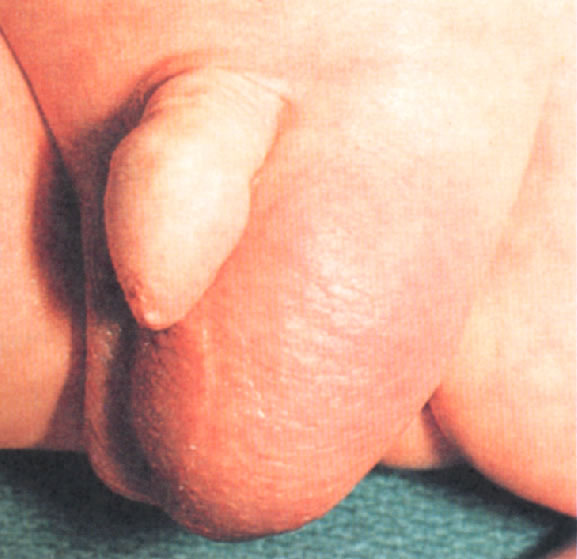 |
||
| 영문 | hiatal hernia | 한글 | 열공헤르니아 |
|---|---|---|---|
| 설명 | 위의 일부가 식도가 가로막을 통과하는 구멍을 통해서 흉강으로 빠져나가는 것이다. 탈장이 되는 방식에 따라서 미끄럼 헤르니아와 식도주위 헤르니아가 있다. 미끄럼헤르니아는 가장 흔한 형이며, 식도위접합부가 식도가 가로막을 빠져나오는 구멍 위에 위치하는 것으로, 이렇게 되면 식도와 위사이에 존재하는 조임근의 힘이 적어져서 위의 내용물이 쉽게 식도로 역류되고 이로 인해서 식도염을 일으키고 이 식도염이 지속될 경우에는 식도 협착을 일으키기도 한다. 식도주위헤르니아는 식도가 가로막을 통과하는 구멍까지 정상적으로 위치하지만 위가 흉 강으로 탈장된다. 이때는 위내용물의 식도로의 역류는 드물다. 대신에 식도가 탈장된 위에 눌려서 식도폐쇄의 증상이 나타난다. 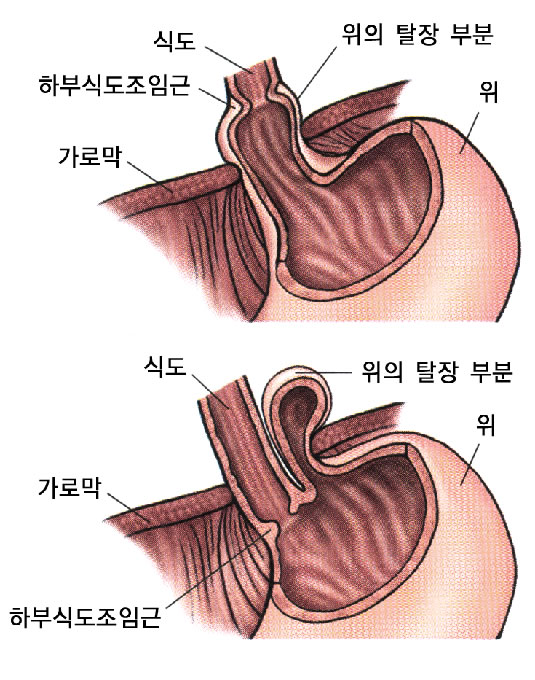 |
||
| 영문 | hernia | 한글 | 헤르니아, 탈장 |
|---|---|---|---|
| 설명 | 장기의 일부가 원래 있어야 할 장소에서 벗어난 상태. 복부에서는 사타구니, 허벅지, 배꼽, 가로막 등에 생기는 경우가 있고, 복부 이외에서는 척추원반이나 뇌에서 발생할 수 있다. 샅고랑헤르니아란 창자의 일부가 복벽의 약한 부위나 비정상적으로 존재하는 고환부위의 공간을 통해서 빠져나오는 것을 말하며, 열공헤르니아란 위의 일부가 식도가 통과하는 구멍을 통해서 흉강으로 빠져나가는 것을 말한다. |
||
| STANDOUT | soft thresholding and depth cueing of unspecified techniques |
|---|---|
| URD | unspecified respiratory disease; upper respiratory disease |
| AC | abdominal circumference; abdominal compression; absorption coefficient; abuse case; acetate; acetylc... |
| CAT | California Achievement Test; capillary agglutination test; catalase; cataract; catecholamine; Childr... |
| CDH | 1) Chronic Daily Headache = CTH = ... |
| CDH | Congenital Diaphragmatic Hernia |
|---|---|
| DH | Diaphragmatic hernia |
| H.H | hiatal hernia |
| Abd | Abdominal |
| AAA | Abdominal Aortic Aneurysm |
| abdominal hernia | <surgery> A hernia protruding through a defect or weakened portion of the abdominal wall. An umbilical hernia is an example of a type of abdominal hernia. (27 Sep 1997) |
|---|---|
| abdominal | <anatomy> Pertaining to the abdomen. Origin: L. Abdominalis (18 Nov 1997) |
| abdominal abscess | <surgery> A localised pus-forming (suppurative) bacterial infection that occurs within the abdominal cavity as the result of a perforated viscus or post operative complication. Treatment requires either percutaneous or open surgical drainage. (27 Sep 1997) |
| abdominal adhesions | <surgery> Scarring that can occur within the abdomen in response to surgery or chronic inflammation. (27 Sep 1997) |
| abdominal angina | <surgery> A dull, crampy centralised abdominal pain that occurs 15-30 minutes after a meal. Associated with ischaemic bowel disease. Evaluated with mesenteric arteriography. (27 Sep 1997) |
| abdominal aorta | <anatomy> The largest arterial conduit below the diaphragm. This term refers to the portion of the aorta below the diaphragm to the bifurcation into the right and left common iliac arteries. It supplies blood to the abdominal viscera, pelvic organs and lower extremities. (20 Jun 2000) |
| abdominal aortic aneurysm | <surgery> A distended and weakened area in the wall of the abdominal aorta, more common in those who suffer from atherosclerosis. Symptoms include sudden, severe abdominal pain with radiation to the back. (27 Sep 1997) |
| abdominal aortic coarctation | <radiology> 2% of all coarctations, (most common site is thoracic: just distal to origin of L SCA), may be isolated congenital anomaly, associated with: thoracic aortic coarctation, idiopathic hypercalcaemia syndrome, rubella syndrome (ToRCHS), Takayasu arteritis, neurofibromatosis, radiation therapy, fibromuscular disease (12 Dec 1998) |
| abdominal aortic plexus | <anatomy, neurology> An autonomic plexus surrounding the abdominal aorta, directly continuous with the thoracic aortic plexus above and continued inferior to the bifurcation of the aorta as the superior hypogastric plexus. Synonym: plexus aorticus abdominalis. (05 Mar 2000) |
| abdominal apoplexy | <surgery> Mesenteric haemorrhage, thrombosis, or embolus involving the mesenteric or abdominal blood vessels. (05 Mar 2000) |
| abdominal ballottement | <procedure> Examination of the abdomen by palpation to detect excessive amounts of fluid (ascites) by causing organs to bob up and down in the fluid milieu. (05 Mar 2000) |
| abdominal canal | A passage in the lower anterior abdominal wall which in the male allows passage of the spermatic cord and in the female contains the round ligament. Because of the weakness it creates in the abdominal wall, it is the most frequent site for a hernia. (12 Dec 1998) |
| abdominal cavity | <anatomy> That portion of the body extending from beneath the diaphragm down to the pelvis. It contains all the abdominal organs. (27 Sep 1997) |
| abdominal delivery | <obstetrics> A obstetric procedure that involves the delivery of the foetus through an abdominal incision. Cesarian sections account for about one fifth of all births in the us. Indications include: failure to progress, foetal distress, cephalopelvic disproportion (baby's too big for birth canal), placenta previa, placental abruption, placental insufficiency, breech baby, active genital herpes, multiple gestation, preeclampsia and excessive scarring from previous surgeries. The average hospital stay is about 4 days. The maternal death rate with cesarian section is three times higher than with natural delivery. (27 Sep 1997) |
| abdominal dropsy | <clinical sign, gastroenterology> An effusion and accumulation of serous fluid in the abdominal cavity. Synonym: abdominal dropsy, peritoneal dropsy, hydroperitonia, hydrops abdominis. Origin: L, Gr. Askites from askos = bag (18 Nov 1997) |
제품명 |
판매사 |
보험코드 | 성분/함량 | 구분/보험급여 |
|---|
제품명 |
판매사 |
보험코드 | 성분/함량 | 구분/보험급여 |
|---|