¼±Åà - È­»ìǥŰ/¿£ÅÍŰ ´Ý±â - ESC

 
"Neonatal urinary tract infection"¿¡ ´ëÇÑ °Ë»ö °á°úÀÔ´Ï´Ù. °Ë»ö °á°ú º¸´Â µµÁß¿¡ Tab ۸¦ ´©¸£½Ã¸é °Ë»ö âÀÌ ¼±Åõ˴ϴÙ.
¾Ë±â½¬¿î ÀÇÇпë¾îÇ®ÀÌÁý, ¼­¿ïÀÇ´ë ±³¼ö ÁöÁ¦±Ù, °í·ÁÀÇÇÐ ÃâÆÇ À¯»ç °Ë»ö °á°ú : 5 ÆäÀÌÁö: 1
¿µ¹® urinary tract ÇÑ±Û ¿ä·Î
¼³¸í   
  ¿ÀÁÜÀ» ¸ö ¹ÛÀ¸·Î ¹èÃâÇϱâ À§ÇÑ ±æ. ÄáÆÏ, ¿ä°ü, ¹æ±¤, ¿äµµ·Î ÀÌ·ç¾îÁ® ÀÖ´Ù.
¿µ¹® neonatal intensive care center ÇÑ±Û ½Å»ý¾Æ ÁýÁßÄ¡·á½Ç
¼³¸í   
  ¹Ì¼÷¾Æ³ª °¡»ç »óÅÂÀÇ Ãâ»ê¾Æ¸¦ ÁýÁßÀûÀ¸·Î º¸»ìÇǰí Ä¡·áÇϴ ±â°ü.
¿µ¹® alimentary tract ÇÑ±Û ¼ÒÈ­°ü, ¿µ¾ç°ü
¼³¸í   
  ÀÔ¿¡¼­ ½ÃÀÛÇÏ¿© Ç×¹®À¸·Î ³¡³ª´Â ¼ÒÈ­¸¦ ´ã´çÇϴ À̸£´Â ¸». À§Ã¢ÀÚ°üÀ̶ó°íµµ ºÒ¸°´Ù.
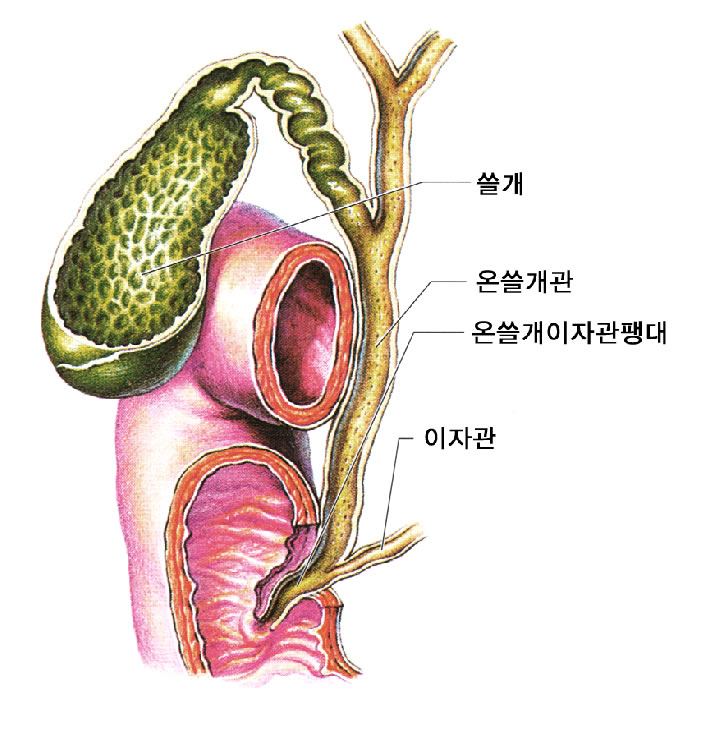
¿µ¹® biliary tract ÇÑ±Û ¾µ°³±æ, ´ãµµ, ´ã°ü
¼³¸í   
  ¾µ°³±æ, ´ãµµ, ´ã°ü
  
  °£¿¡¼­ ¸¸µé¾îÁø ¾µ°³ÁóÀ» ¼ö¼ÛÇϴ °üÁ¶Á÷ÀÇ ÀϺÎ. °£¿¡¼­ ¸¸µé¾îÁø ´ãÁóÀº °£°ü, ¾µ°³°üÀ» °ÅÃļ­ ¾µ°³¿¡ º¸°üµÇ¾ú´Ù°¡ ¿Â¾µ°³°üÀ» ÅëÇØ¼­ »ùâÀڷΠº¸³»Áø´Ù. ÀÌó·³ °£¿¡¼­ ¸¸µé¾îÁø ´ãÁóÀÌ »ùâÀÚ±îÁö ¹è¼³µÇ´Â ±æ·Î¼­ ±æÀ̴ 6~7cm À̸砰£°ü, ¾µ°³°ü, ¿Â¾µ°³°ü µûÀ§·Î ÀÌ·ç¾îÁ® ÀÖ´Ù.
¿µ¹® infection ÇÑ±Û °¨¿°
¼³¸í   
  º´¿ø¹Ì»ý¹°ÀÌ »ç¶÷À̳ª µ¿¹° ¶Ç´Â ½Ä¹°ÀÇ Á¶Á÷. Ã¼¾×-Ç¥¸é¿¡ Á¤ÂøÇÏ¿© Áõ½ÄÇϴ »óÅÂ. ÀÌ °æ¿ì µ¿¹° ¶Ç´Â ÀÎü¿¡ ¿©·¯ °¡Áö Áõ»ó, Áï Áúº´À» ÀÏÀ¸Å°´Â °æ¿ì¿Í ÀÏÀ¸Å°Áö ¾Ê´Â °æ¿ì°¡ ÀÖ´Ù. ¿¹¸¦ µé¸é, ÀϺ»³ú¿°¹ÙÀÌ·¯½º°¡ ÀÎü¿¡ Ä§ÀÔÇÏ¿© Ã¼³»¿¡ Áõ½ÄÇϸ頾 »ç¶÷¿¡°Ô´Â °í¿­-µÎÅë-ÀǽÄÀå¾Ö-°æ·Ã µîÀÇ Áõ»óÀÌ ÀϾ ¹ßº´À» ¾ËÁö¸¸, ´ë´Ù¼öÀÇ »ç¶÷Àº Ã¼³»¿¡¼­ ¹ÙÀÌ·¯½º°¡ Áõ½ÄÇÏ´õ¶óµµ Áõ¼¼ÀÇ Á¤µµ°¡ ³·°í ¹ß¿­À̳ª ±× ¹ÛÀÇ Áõ¼¼µµ ¾ø¾î °¨¿°À» ¸ð¸¥´Ù. À̿͠°°ÀÌ º´¿ø¹Ì»ý¹°Àº ÀÎü¿¡ °¨¿°µÇ´õ¶óµµ ¹ßº´Çϴ °æ¿ì¿Í ÇÏÁö ¾Ê´Â °æ¿ì°¡ ÀÖ´Ù. ÀüÀÚ¸¦ Áõ»ó°¨¿°, ÈÄÀÚ¸¦ ¹«Áõ»ó°¨¿°À̶ó ÇÑ´Ù. °¨¿°ÀÇ ±Ù¿øÀÌ µÇ´Â È¯ÀÚ-º¸±ÕÀÚ-°¨¿°µ¿¹°-¸Å°³µ¿¹°-º´¿øÃ¼¸¦ Æ÷ÇÔÇÑ ¹è¼³¹° ¹× ±×¿¡ ÀÇÇØ °¨¿°µÈ °ÍÀ» °¨¿°¿øÀ̶ó Çϰí, ÀÌ·¯ÇÑ °¨¿°¿ø¿¡¼­ Á÷Á¢ ¶Ç´Â °£Á¢À¸·Î »ýü¿¡ º´¿øÃ¼°¡ Ä§ÀÔÇϴ °æ·Î¸¦ °¨¿°°æ·Î¶ó ÇÑ´Ù. °¨¿°°æ·Î¿¡´Â °ø±â°¨¿°-Á¢Ã˰¨¿°-°æ±¸°¨¿°-°æÇǰ¨¿° µîÀÌ ÀÖ´Ù. ¶ÇÇÑ °¨¿°ÁõÀº Àü¿°¼º°ú ºñÀü¿°¼ºÀÇ µÎ °¡Áö·Î ³ª´­ ¼ö ÀÖ´Ù. ÀüÀڴ Áúº´ÀÇ °æ°ú Áß¿¡(¶§·Î´Â Àẹ±â³ª È¸º¹±â¿¡) °¨¿°ÇÑ »ýüÀÇ ºÐºñ¹° ¶Ç´Â ¹è¼³¹°°ú ÇÔ²² º´¿øÃ¼°¡ ³ª¿Í¼­ Á¢ÃË ¶Ç´Â ¸Å°³¿¡ ÀÇÇØ ´Ù¸¥ °³Ã¼¸¦ °¨¿°½Ã۴ °æ¿ì¸¦ ¸»ÇÑ´Ù. ¸¶¸¶-µðÇÁÅ׸®¾Æ-¼ºÈ«¿­-Æä½ºÆ®-ÄÝ·¹¶ó-ÀÌÁú µîÀÌ ÀÌ¿¡ ¼ÓÇÑ´Ù. ÈÄÀڴ º´¿øÃ¼°¡ °¨¿°ÇÑ »ýü¿¡¼­ ¹è¼³µÇÁö ¾Ê°Å³ª ¹è¼³µÇ´õ¶óµµ ´Ù¸¥ °³Ã¼¿¡´Â °¨¿°À» ÀÏÀ¸Å°Áö ¾Ê´Â °ÍÀ¸·Î ¿©±â¿¡´Â ÆÄ»ódz-¸»¶ó¸®¾Æ-¹ßÁøÆ¼Çª½º-»êÈÄ¿­ µîÀÌ ÀÖ´Ù.
´ëÇÑÀÇÇù ÀÇÇпë¾î »çÀü °Ë»ö À¯»ç °Ë»ö °á°ú : 15 ÆäÀÌÁö: 1
  • ¿µ¹®
    ÇѱÛ
  • urinary tract
    ¿ä·Î
  • neonatal infection
    ½Å»ý¾Æ°¨¿°
  • respiratory tract infection
    ±âµµ°¨¿°
  • acute urinary retention
    ±Þ¼º¼Òº¯Á¤Ã¼, ±Þ¼º¿äÁ¤Ã¼
  • colonic urinary reservoir
    Àß·ÏâÀÚ´¢ÀúÀå¼Ò, ´ëÀå´¢ÀúÀå¼Ò
  • stress urinary incontinence
    º¹¾Ð¿ä½Ç±Ý, º¹¾Ð¿ÀÁÜ»õ±â, ½ºÆ®·¹½º¿ä½Ç±Ý
  • urinary
    1. ¿ä-, ¼Òº¯- 2. ºñ´¢-, ¿ä·Î-
  • urinary anomaly
    ºñ´¢±â±âÇü, ºñ´¢±âÀÌ»ó
  • urinary cast
    ¼Òº¯¿øÁÖ
  • urinary continence
    ¹è´¢ÀÚÁ¦, ¼Òº¯Âü±â
  • urinary diversion
    ¿ä·ÎÀüȯ(¼ú)
  • urinary fistula
    ¿ä·Î»û±æ, ¿ä·Î·ç
  • urinary frequency
    ºó´¢
  • urinary hesitancy
    ¼Òº¯ÁÖÀú, ¹è´¢Áö¿¬
  • urinary incontinence
    ¿ä½Ç±Ý, ¿ÀÁÜ»õ±â, ¿ÀÁÜÁö¸²
´ëÇÑÀÇÇù Çʼö ÀÇÇпë¾îÁý »çÀü °Ë»ö À¯»ç °Ë»ö °á°ú : 15 ÆäÀÌÁö: 1
  • ¿µ¹®
    ÇѱÛ
  • neonatal infection
    °«³­¾Ö°¨¿°, ½Å»ý¾Æ°¨¿°
  • urinary tract
    ¿ä·Î
  • urinary frequency
    ºó´¢
  • stress urinary incontinence
    º¹¾Ð¿ä½Ç±Ý, º¹¾Ð¿ÀÁÜ»õ±â
  • urinary incontinence
    ¿ä½Ç±Ý, ¿ÀÁÜ»õ±â
  • urinary sediment
    ¿äħÀü¹°, ¼Òº¯Ä§Àü¹°
  • urinary system
    ºñ´¢°èÅë
  • neonatal intensive care center
    ½Å»ý¾ÆÁýÁßÄ¡·á½Ç
  • neonatal death
    ½Å»ý¾Æ»ç¸Á
  • neonatal hepatitis
    ½Å»ý¾Æ°£¿°
  • neonatal mortality
    ½Å»ý¾Æ»ç¸Á·ü
  • neonatal period
    ½Å»ý¾Æ±â
  • neonatal screening
    ½Å»ý¾Æ¼±º°°Ë»ç
  • infection cycle
    °¨¿°°í¸®, °¨¿°»ç
  • infection
    °¨¿°
¿¾ ´ëÇÑÀÇÇù ÀÇÇпë¾î »çÀü °Ë»ö À¯»ç °Ë»ö °á°ú : 15 ÆäÀÌÁö: 1
  • ¿µ¹®
    ÇѱÛ
  • urinary tract
    ¿ä·Î
  • neonatal infection
    °«³­¾Ö°¨¿°, ½Å»ý¾Æ°¨¿°
  • acute urinary retention
    ±Þ¼º¿äÃàÀû
  • urinary anomaly
    ºñ´¢±âÀÌ»ó, ºñ´¢±â±âÇü
  • colonic urinary reservoir
    Àß·èâÀÚ´¢ÀúÀå¼Ò, ´ëÀå´¢ÀúÀå¼Ò
  • urinary cast
    ¿ä¿øÁÖ
  • urinary continence
    ¹è´¢ÀÚÁ¦
  • urinary solute concentration
    ¿ä¿ëÁú³óµµ
  • urinary diversion
    ¿ä·ÎÀüȯ¼ú
  • urinary fistula
    ¿ä·Î»û±æ
  • urinary frequency
    ºó´¢
  • urinary incontinence
    ¿ä½Ç±Ý, ¿ÀÁÜÂñ²ûÁõ, ¿ÀÁÜ»õ±âÁõ
  • urinary organ
    ºñ´¢±â°ü
  • prostatic urinary sphincter
    Àü¸³»ù¿äµµÁ¶ÀÓ±Ù
  • urinary schistosomiasis
    ¹æ±¤ÁÖÇ÷ÈíÃæÁõ
¿¾ ´ëÇÑÀÇÇù 2 ÀÇÇпë¾î »çÀü °Ë»ö À¯»ç °Ë»ö °á°ú : 15 ÆäÀÌÁö: 1
  • ¿µ¹®
    ÇѱÛ
  • infection, urinary tract
    ¿ä·Î°¨¿°
  • anterior corticospinal tract anterior pyramidal tract
    ¾Õ°ÑÁúô¼ö·Î ¾ÕÇǶó¹Ô·Î
  • acute urinary retention
    ±Þ¼º ¿äÆó
  • prostatic urinary sphincter
    Àü¸³¼± ¿äµµ°ý¾à±Ù
  • genital tract infection
    »ý½Ä±â°¨¿°
  • Cortico bulbar tract
    ÇÇÁú¿¬¼ö·Î(ù«òõæÅâÐÖØ)
  • Cortico rubral tract
    ÇÇÁúÀûÇÙ·Î(ù«òõîåú·ÖØ)
  • Corticomesencephalic tract
    ÇÇÁúÁß³ú·Î
  • Corticopontine tract
    ÇÇÁú±³·Î
  • Gastrointestinal tract
    À§Àå°ü(êÖíóη)
  • Lateral corticospinal tractLateral pyramidal tract
    °¡ÂʰÑÁúô¼ö·Î°¡ÂÊÇǶó¹Ô·Î
  • alimentary canal =a. tract
    ¼ÒÈ­°ü, ¿µ¾ç°ü.
  • alimentary system(tract)
    ¼ÒÈ­±â°è(á¼ûùÐïͧ)
  • anterior pyramidal tract =direct p. t.
    1. ÀüÇÇÁúô¼ö·Î(îñù«òõô±âÐÖØ). 2. ÃßüÀü»è·Î(õÞô÷îñßãÖØ).
  • anterior spinocerebellar tract
    ¾Õô¼ö¼Ò³ú·Î
¿¾ ´ëÇÑÀÇÇù 3 ÀÇÇпë¾î »çÀü °Ë»ö À¯»ç °Ë»ö °á°ú : 15 ÆäÀÌÁö: 1
  • ¿µ¹®
    ÇѱÛ
  • infection, urinary tract
    ¿ä·Î°¨¿°
  • specific urinary tract infection
    ƯÀ̼º ¿ä·Î°¨¿°
  • urinary tract infection
    ¿ä·Î°¨¿°Áõ (¡­Êïæøñø).
  • cystourethrography for urinary tract obstruction
    ¹æ±¤¿äµµÁ¶¿µ(ÃÔ¿µ)¼ú
  • defect of urinary tract
    ºñ´¢±â°ü°áÇÔ
  • lower urinary tract
    ÇϺοä·Î(ù»Ý»èñÖØ).
  • muscles of urinary tract
    ºñ´¢°ü±ÙÀ°
  • urinary tract
    ¿äµµ
  • urinary tract
    ¿ä·Î(èñÖØ)
  • urinary tract obstruction
    ¿ä·ÎÆó¼â(èñÖØøÍáð).
  • neonatal infection
    ½Å»ý¾Æ °¨¿°
  • anterior corticospinal tract anterior pyramidal tract
    ¾Õ°ÑÁúô¼ö·Î ¾ÕÇǶó¹Ô·Î
  • lateral corticospinal tract lateral pyramidal tract
    °¡ÂʰÑÁúô¼ö·Î °¡ÂÊÇǶó¹Ô·Î
  • genital tract infection
    »ý½Ä±â°¨¿°
  • alloimmune neonatal thrombocytopenia=ANN
    µ¿Á¾¸é¿ª¼º½Å»ý¾ÆÇ÷¼ÒÆÇ°¨¼ÒÁõ
´ëÇÑÇØºÎÇÐȸ ÀÇÇпë¾î »çÀü °Ë»ö À¯»ç °Ë»ö °á°ú : 15 ÆäÀÌÁö: 1
  • ¿µ¹®
    ÇѱÛ
  • Abnormality by infection
    °¨¿°±âÇü
    [¿¾ ¿ë¾î] °¨¿°ºñÁ¤»ó
  • Muscles of urinary tract
    ºñ´¢°ü±ÙÀ°
    [¿¾ ¿ë¾î] ºñ´¢°ü±Ù
  • Neonatal period
    ½Å»ý¾Æ±â
    [¿¾ ¿ë¾î] ½Å»ý¾Æ±â
  • Neonatal line
    ù¼ºÀå¼±
    [¿¾ ¿ë¾î] ½Å»ý¼±
  • Lateral corticospinal tract [Lateral pyramidal tract]
    °¡ÂʰÑÁúô¼ö·Î [°¡ÂÊÇǶó¹Ô·Î]
    [¿¾ ¿ë¾î] ¿ÜÃøÇÇÁúô¼ö·Î(ÃßÃ¼Ãø»è·Î)
  • Anterior corticospinal tract [Anterior pyramidal tract]
    ¾Õ°ÑÁúô¼ö·Î [¾ÕÇǶó¹Ô·Î]
    [¿¾ ¿ë¾î] ÀüÇÇÁúô¼ö·Î(ÃßüÀü»è·Î)
  • Urinary bladder
    ¹æ±¤
    [¿¾ ¿ë¾î] ¹æ±¤
  • Trigon of urinary bladder
    ¹æ±¤»ï°¢
    [¿¾ ¿ë¾î] ¹æ±¤»ï°¢
  • URINARY ORGAN
    ºñ´¢±â°ü
    [¿¾ ¿ë¾î] ºñ´¢±â°ü
  • URINARY ORGANS
    ºñ´¢±â°ü
    [¿¾ ¿ë¾î] ºñ´¢±â
  • Urinary pole
    ¿ä¼¼°ü±Ø
    [¿¾ ¿ë¾î] ¿ä°ü±Ø
  • Corticonuclear tract
    °ÑÁúÇÙ·Î
    [¿¾ ¿ë¾î] ÇÇÁúÇÙ·Î
  • Solitary tract
    °í¸³·Î
    [¿¾ ¿ë¾î] °í¼Ó
  • Habenulointerpeduncular tract
    °í»ß´Ù¸®»çÀÌ·Î
    [¿¾ ¿ë¾î] °í»ß°¢°£·Î
  • Foraminous spiral tract
    ±¸¸Ûº®³ª¼±±æ
    [¿¾ ¿ë¾î] ³ª¼±°ø·Ä
´ëÇѱâ»ýÃæÇÐȸ ÀÇÇпë¾î »çÀü °Ë»ö À¯»ç °Ë»ö °á°ú : 15 ÆäÀÌÁö: 1
  • ¿µ¹®
    ÇѱÛ
  • urinary schistosomiasis
    ¹æ±¤ÁÖÇ÷ÈíÃæÁõ
  • congenital infection
    ¼±Ãµ°¨¿°
  • ectopic infection
    À̼Ұ¨¿°
  • helminthic infection
    ¿¬Ãæ°¨¿°
  • household infection
    Áý¾È°¨¿°
  • indigenous infection
    ÅäÂø°¨¿°
  • infection intensity
    °¨¿°°­µµ
  • latent infection
    Àẹ°¨¿°
  • Leishmania mexicana mexicana infection
    ¸ß½ÃÄÚ¸®½´¸¸Æí¸ðÃæÁõ
  • mosquito borne infection
    ¸ð±â¸Å°³°¨¿°
  • opportunistic infection
    ±âȸ°¨¿°
  • oral infection
    °æ±¸°¨¿°
  • percutaneous infection
    °æÇǰ¨¿°
  • primary infection
    ÀÏÂ÷°¨¿°
  • protozoan infection
    ¿øÃæ°¨¿°
´ëÇÑ»ýÈ­ÇкÐÀÚ»ý¹°ÇÐȸ ¿ë¾î »çÀü °Ë»ö À¯»ç °Ë»ö °á°ú : 8 ÆäÀÌÁö: 1
  • ¿µ¹®
    ÇѱÛ
  • abortive infection
    ¹Ì¼÷°¨¿° (Ú±âÙÊïæø)
  • abortive infection
    ºÎÀü°¨¿° (ÜôîïÊïæø)
  • abortive infection
    ºÒ¿Ï°¨¿° (ÝÕèÇÊïæø)
  • cross-infection
    ±³Â÷°¨¿°(Îßó©Êïæø)
  • endosymbiotic infection
    ³»°ø»ý °¨¿° (Ò®ÍìßæÊïæø)
  • latent infection
    Àẹ°¨¿°(íÖÜÑÊïæø)
  • localized infection
    ±¹¼Ò°¨¿°(ÏÑá¶Êïæø)
  • productive infection
    »ý»ê °¨¿°(ßæß§Êïæø)
KI ÀÇÇпë¾î »çÀü °Ë»ö À¯»ç °Ë»ö °á°ú : 15 ÆäÀÌÁö: 1
  • ¿µ¹®
    ÇѱÛ
  • urinary tract
    ¿ä·Î
  • neonatal
    ½Å»ý¾ÆÀÇ, ½Å»ý¾Æ
  • neonatal atelectasis
    ½Å»ý¾Æ¹«±âÆó
  • neonatal jaundice
    ½Å»ý¾ÆÈ²´Þ
  • neonatal mortality
    ½Å»ý¾Æ»ç¸Á(·ü)
  • exotropy of urinary bladder
    ¹æ±¤¿Ü
  • urinary
    ¿äÀÇ
  • urinary bladder
    ¹æ±¤
  • urinary calculus
    ¿ä°á¼®, ¿ä¼®
  • urinary difficulty
    ´¢·ÎÀå¾Ö
  • urinary diversion
    ¿ä·ÎÀüȯ¼ú
  • urinary fistula
    ¿äÇǽºÅø¶ó, ¿ä·ç
  • urinary frequency
    ºó´¢
  • urinary obstruction
    ¿ä·ÎÆó»ö
  • urinary retention
    ¿äÆó, ¿äÁ¤Ã¼
KMLE ÀÇÇоà¾î »çÀü À¯»ç °Ë»ö °á°ú : 5 ÆäÀÌÁö: 1
ECG Electro-Cardio-Graphy(-Gram); ½ÉÀüµµ
   = EKG
  1. Conducting System Structu...
UTI urinary tract infection; urinary trypsin inhibitor
LRI lamina rara interna; lower respiratory [tract] illness; lower respiratory [tract] infection; lymphoc...
LRTI lower respiratory tract illness; lower respiratory tract infection
UTI Urinary Tract Infection; ºñ´¢±â°è °¨¿°
KMLE ÀÚµ¿ÃßÃâ ÀÇÇоà¾î »çÀü À¯»ç °Ë»ö °á°ú : 5 ÆäÀÌÁö: 1
UTI 3-urinary tract infection
LUTS Lower urinary tract symptoms
RUTI Recurrent urinary tract infections
U.U.T. Upper Urinary Tract
LUT lower urinary tract
Çѱ¹Ç¥ÁØÁúº´»çÀκзù ¾àÀÚ ¸ÂÃã °Ë»ö °á°ú : 1 ÆäÀÌÁö: 1
  • ÄÚµå
    ¿µ¹®
    ÇѱÛ
  • P39.3
    Neonatal urinary tract infection
    ½Å»ý¾Æ ¿ä·Î °¨¿°
°æºÏ´ë Ä¡°ú´ëÇÐ ±¸°­³»°ú ±³½Ç »çÀü À¯»ç °Ë»ö °á°ú : 15 ÆäÀÌÁö: 1
  • ¿µ¹®
    ÇѱÛ
    ¼³¸í
  • urinary tract
    ¿ä·Î
  • neonatal infection
    ½Å»ý¾Æ °¨¿°
  • lateral corticospinal tract lateral pyramidal tract
    °¡ÂÊ °ÑÁú ô¼ö·Î, °¡ÂÊ ÇǶó¹Ô·Î
  • proximal urinary tubule
    ±ÙÀ§ ¼¼´¢°ü
    ½Å ¼Òü¿¡¼­ Çî·¹¾¾ °í¸®¿¡ À̸£´Â ¿ä ¼¼°üÀÌ°í ½Å ¼Òü µÑ·¹¿¡¼­ ¿ìÃøÀ¸·Î ±¸ºÎ·¯Áø ±ÙÀ§ ¿ì°îºÎ¿Í ¼ö¹æ¼±À̳ª ¼öÁú ¼Ó¿¡ »¸¾î¼­ Á÷ÇàÇÏ´Â ±ÙÀ§Á÷ºÎ·Î ÀÌ·ç¾îÁø´Ù. Å©±â´Â 40-60umÀÌ°í »óÇÇ Á¶Á÷Àº °­ÇÑ »êÈ£¼ºÀ» ³ªÅ¸³»¸ç ÀÚÀ¯ Ç¥¸éÀº ¼âÀÚ¿¬, ±âÀúºÎ¿¡´Â ±âÁ¶ ¼±Á¶°¡ ¶Ñ·ÇÇÏ°Ô ¹ß´ÞÇϰí ÀÖ´Ù. ¼¼Æ÷°£ °¨¾ÐÀÌ ¹ß´ÞÇϰí ÀÎÁ¢ÇÑ ¼¼Æ÷ÀÇ °æ°è°¡ ºÒÈ®½ÇÇÏ´Ù. ¿©±â¼­´Â ¿ø´¢ ÁßÀÇ ¼öºÐ°ú ÀüÇØ ÁßÀÇ 75%°¡ Ç÷¾× ¼Ó¿¡ ÀçÈí¼öµÇ°í ¾Æ¹Ì³ë»êÀ̳ª Æ÷µµ´çµµ ÀçÈí¼öµÈ´Ù.
  • supravesical urinary diversion
    ¹æ±¤ »óºÎ ¿ä·Î Àüȯ¼ú
  • urinary
    ¿äÀÇ, ºñ´¢ÀÇ
  • urinary calculus
    ¿ä°á¼®, ¿ä¼®
    ¿ä·Î¿¡ »ý±â´Â °á¼®À» ÃÑĪÇÏ´Â °Í.
  • urinary diversion
    ¿ä·Î Àüȯ¼ú
  • urinary frequency
    ºó´¢
  • urinary reflex
    ¹è´¢ ¹Ý»ç
  • urinary siderosis
    Çì¸ð½Ãµ¥¸° ¿äÁõ
    ´¢Áß¿¡ Çì¸ð½Ãµ¥¸° °ú¸³ÀÌ Á¸ÀçÇÏ´Â °Í.
  • neonatal
    ½Å»ý¾ÆÀÇ, ½Å»ý¾Æ
    µ¿ÀǾî=neonate. Ãâ»ý ÈÄ Ã³À½ 4ÁÖ¸¦ ¾ð±Þ.
  • neonatal alloimmune thrombocytopenia
    ½Å»ý¾Æ µ¿Á¾ ¸é¿ª Ç÷¼ÒÆÇ °áÇÌÁõ
  • neonatal anesthesia
    ½Å»ý¾Æ ¸¶Ãë
  • neonatal asphyxia
    ½Å»ý¾Æ °¡»ç, ½Å»ý¾Æ Áú½Ä
CancerWEB ¿µ¿µ ÀÇÇлçÀü À¯»ç °Ë»ö °á°ú : 15 ÆäÀÌÁö: 1
pregnancy danger from urinary tract infection A pregnant woman who develops a uti should be treated promptly to avoid premature delivery of her baby and other risks such as high blood pressure. Some antibiotics are not safe to take during pregnancy. In selecting the best treatment, doctors consider various factors such as the drug's effectiveness, the stage of pregnancy, the mother's health, and potential effects on the foetus.
(12 Dec 1998)
infection, urinary tract An infection in the urinary system that begins when microorganisms cling to the opening of the urethra (the canal from the bladder) and begin to multiply. most utis are due to one type of bacteria, e. (escherichia) coli, a normal denisen of the colon. An infection in the urethra leads to inflammation called urethritis. From there bacteria may move up, causing a bladder infection (cystitis) and if the infection is not treated promptly, bacteria may go up the ureters to infect the kidneys (pyelonephritis). Factors leading to uti include any abnormality of the urinary tract (such as a urinary tract malformation or a kidney stone) that obstructs the flow of urine, an enlarged prostate gland that slows the flow of urine, catheters (tubes) in the bladder, diabetes (due to changes of the immune system), and any disorder that suppresses the immune system. Women have more uti than men, probably because a woman's urethra is shorter (allowing bacteria quick access to the bladder) and nearer sources of bacteria from the anus and vagina. For many women, sexual intercourse seems to trigger an infection, as may the use of a diaphragm. Not everyone with a uti has symptoms but symptoms commonly include a frequent urge to urinate and a painful, burning when urinating (dysuria). The urine may look milky or cloudy, even reddish if blood is present. Kidney infection can cause pain in the back or side below the ribs. In children, symptoms may be easily missed or misunderstood. A child with a uti may be irritable, not eat normally, have an unexplained fever, have incontinence or loose bowels, or just not thrive.
(12 Dec 1998)
urinary tract infection A bacterial infection of the urethra, bladder, ureters or kidneys (part of the urinary tract).
Common symptoms of a urinary tract infection include pain with urination, urinary urgency and increased frequency of urination.
Acronym: UTI
(15 Nov 1997)
urinary tract The organs of the body that produce and discharge urine. These include the kidneys, ureters, bladder, and urethra.
(12 Dec 1998)
urinary tract infections Infections affecting those structures of the body which participate in the secretion and elimination of urine, i.e., the kidney, the ureters, the urinary bladder, and the urethra.
(12 Dec 1998)
urinary tract physiology Functions and activities of the urinary tract as a whole or of any of its parts.
(12 Dec 1998)
anaemia, neonatal The mildest form of erythroblastosis foetalis in which anaemia is the chief manifestation.
(12 Dec 1998)
benign neonatal convulsions A familial, self-limited epilepsy, beginning at two or three days of age and resolving spontaneously by six months of age; autosomal dominant inheritance.
(05 Mar 2000)
Brazelton's Neonatal Behavioural Assessment Scale A scale used by obstetricians, paediatricians, and paediatric psychologists to assess the sensory, motor, emotional and physical development of the neonate, usually beginning at birth or in the first month of life.
(05 Mar 2000)
rate, neonatal mortality The number of children dying under 28 days of age divided by the number of live births that year. The neonatal mortality rate in the united states, which was 8.4 per 1,000 live births in 1980, declined to 5.8 per 1,000 live births in 1990.
(12 Dec 1998)
mortality rate, neonatal The number of children dying under 28 days of age divided by the number of live births that year. The neonatal mortality rate in the united states, which was 8.4 per 1,000 live births in 1980, declined to 5.8 per 1,000 live births in 1990.
(12 Dec 1998)
neonatal <paediatrics> Pertaining to the first four weeks after birth.
Origin: L. Natus = born
(18 Nov 1997)
neonatal abstinence syndrome <syndrome> Foetal and neonatal addiction and withdrawal as a result of the mother's dependence on drugs during pregnancy. Withdrawal or abstinence symptoms develop shortly after birth. Symptoms exhibited are loud, high-pitched crying, sweating, yawning and gastrointestinal disturbances.
(12 Dec 1998)
neonatal anaemia <haematology> A condition which develops in the foetus due to an incompatibility between the mother's blood type (RH factor) and the baby's. Maternal antibodies, which enter the foetal circulation during delivery attack the baby's red blood cells leading to haemolysis (rupture of the cells).
Symptoms include an infant with an enlarged liver and spleen, swelling, jaundice and anaemia.
(27 Sep 1997)
neonatal apoplexy Intracranial haemorrhage in newborn children.
(05 Mar 2000)
ÇÑ¿µ/¿µÇÑ »çÀü À¯»ç °Ë»ö °á°ú : 12 ÆäÀÌÁö: 1
  • ¿µ¹®
    ÇѱÛ
  • neonatal
    ½Å»ý¾ÆÀÇ
  • urinary
    ¿ÀÁÜÀÇ
  • urinary
    ¿ÀÁÜÀÇ;ºñ´¢±âÀÇ;¼Òº¯¼Ò
  • tract
    ¼ÒÃ¥ÀÚ; ÆÊÇ÷¿
  • census tract
    (´ëµµ½ÃÀÇ)Àα¸Á¶»ç Ç¥ÁØÁö¿ª;±¹¼¼Á¶»ç ´ÜÀ§
  • tract
    ³ÐÀº ¶¥;Áö¿ª;(ÇÏ´Ã,¹Ù´ÙÀÇ)³ÐÀÌ;±â°£;°ü;°èÅë
  • tract
    ¼Ò³í¹®;¼ÒÃ¥ÀÚ;(Á¾±³ °ü°èÀÇ)ÆÊÇ÷¿
  • infection
    ¿µÇâ; Àü¿°º´
  • droplet infection
    (ÀÇ)ºñ¸» °¨¿°
  • focal infection
    º´¼Ò°¨¿°
  • infection
    (º´µ¶ÀÇ)°ø±âÀü¿°;°¨¿°(cf.CONTAFION)(µµ´öÀûÀ¸·Î)³ª»Û °¨È­(¿µÇâ);¿À¿°(CONTAMINATION)Àü¿°º´;°¨¿°Áõ
  • infection point
    º¯°îÁ¡
ÀÌ ¾Æ·¡ ºÎÅÍ´Â °á°ú°¡ ¾ø½À´Ï´Ù.
KMLE ¾àǰ/ÀǾàǰ ¸ÂÃã °Ë»ö °á°ú : 0 ÆäÀÌÁö: 1
  • Á¦Ç°¸í
    ¼ººÐ/ÇÔ·®
    ±¸ºÐ/º¸Çè±Þ¿©
KMLE ¾àǰ/ÀǾàǰ À¯»ç °Ë»ö °á°ú : 0 ÆäÀÌÁö: 1
  • Á¦Ç°¸í
    ¼ººÐ/ÇÔ·®
    ±¸ºÐ/º¸Çè±Þ¿©
¾Ë±â½¬¿î ÀÇÇпë¾îÇ®ÀÌÁý, ¼­¿ïÀÇ´ë ±³¼ö ÁöÁ¦±Ù, °í·ÁÀÇÇÐ ÃâÆÇ ¸ÂÃã °Ë»ö °á°ú : 0 ÆäÀÌÁö: 1
´ëÇÑÀÇÇù ÀÇÇпë¾î »çÀü °Ë»ö ¸ÂÃã °Ë»ö °á°ú : 0 ÆäÀÌÁö: 1
  • ¿µ¹®
    ÇѱÛ
´ëÇÑÀÇÇù Çʼö ÀÇÇпë¾îÁý »çÀü °Ë»ö ¸ÂÃã °Ë»ö °á°ú : 0 ÆäÀÌÁö: 1
  • ¿µ¹®
    ÇѱÛ
¿¾ ´ëÇÑÀÇÇù ÀÇÇпë¾î »çÀü °Ë»ö ¸ÂÃã °Ë»ö °á°ú : 0 ÆäÀÌÁö: 1
  • ¿µ¹®
    ÇѱÛ
¿¾ ´ëÇÑÀÇÇù 2 ÀÇÇпë¾î »çÀü °Ë»ö ¸ÂÃã °Ë»ö °á°ú : 0 ÆäÀÌÁö: 1
  • ¿µ¹®
    ÇѱÛ
¿¾ ´ëÇÑÀÇÇù 3 ÀÇÇпë¾î »çÀü °Ë»ö ¸ÂÃã °Ë»ö °á°ú : 0 ÆäÀÌÁö: 1
  • ¿µ¹®
    ÇѱÛ
´ëÇÑÇØºÎÇÐȸ ÀÇÇпë¾î »çÀü °Ë»ö ¸ÂÃã °Ë»ö °á°ú : 0 ÆäÀÌÁö: 1
  • ¿µ¹®
    ÇѱÛ
´ëÇѽŰæ¿Ü°úÇÐȸ ÀÇÇпë¾î »çÀü °Ë»ö ¸ÂÃã °Ë»ö °á°ú : 0 ÆäÀÌÁö: 1
  • ¿µ¹®
    ÇѱÛ
    ÇÑÀÚ
´ëÇѽŰæ¿Ü°úÇÐȸ ÀÇÇпë¾î »çÀü °Ë»ö À¯»ç °Ë»ö °á°ú : 0 ÆäÀÌÁö: 1
  • ¿µ¹®
    ÇѱÛ
    ÇÑÀÚ
´ëÇѱâ»ýÃæÇÐȸ ÀÇÇпë¾î »çÀü °Ë»ö ¸ÂÃã °Ë»ö °á°ú : 0 ÆäÀÌÁö: 1
  • ¿µ¹®
    ÇѱÛ
´ëÇÑ»ýÈ­ÇкÐÀÚ»ý¹°ÇÐȸ ¿ë¾î »çÀü °Ë»ö ¸ÂÃã °Ë»ö °á°ú : 0 ÆäÀÌÁö: 1
  • ¿µ¹®
    ÇѱÛ
KI ÀÇÇпë¾î »çÀü °Ë»ö ¸ÂÃã °Ë»ö °á°ú : 0 ÆäÀÌÁö: 1
  • ¿µ¹®
    ÇѱÛ
KMLE ÀÇÇоà¾î »çÀü ¸ÂÃã °Ë»ö °á°ú : 0 ÆäÀÌÁö: 1
KMLE ÀÚµ¿ÃßÃâ ÀÇÇоà¾î »çÀü ¸ÂÃã °Ë»ö °á°ú : 0 ÆäÀÌÁö: 1
ÀÇÇÐ³í¹® ¾àÀÚ(Pubmed/Entrez) °Ë»ö ¸ÂÃã °Ë»ö °á°ú : 0 ÆäÀÌÁö: 1
Çѱ¹Ç¥ÁØÁúº´»çÀκзù ¾àÀÚ À¯»ç °Ë»ö °á°ú : 0 ÆäÀÌÁö: 1
  • ÄÚµå
    ¿µ¹®
    ÇѱÛ
°æºÏ´ë Ä¡°ú´ëÇÐ ±¸°­³»°ú ±³½Ç »çÀü ¸ÂÃã °Ë»ö °á°ú : 0 ÆäÀÌÁö: 1
  • ¿µ¹®
    ÇѱÛ
    ¼³¸í
CancerWEB ¿µ¿µ ÀÇÇлçÀü ¸ÂÃã °Ë»ö °á°ú : 0 ÆäÀÌÁö: 1
MeSH(Medical Subject Headings) ¸ÂÃã °Ë»ö (http://www.nlm.nih.gov) °á°ú : 0 ÆäÀÌÁö: 1
MeSH(Medical Subject Headings) À¯»ç °Ë»ö (http://www.nlm.nih.gov) °á°ú : 0 ÆäÀÌÁö: 1
¿ÜºÎ ¸µÅ© - Merriam-Webster's ÀÇÇлçÀü ¸ÂÃã °Ë»ö (https://www.merriam-webster.com) °á°ú: 0 ÆäÀÌÁö: 1
¿ÜºÎ ¸µÅ© - Merriam-Webster's ÀÇÇлçÀü À¯»ç °Ë»ö (https://www.merriam-webster.com) °á°ú: 0 ÆäÀÌÁö: 1
¿ÜºÎ ¸µÅ© - A.D.A.M. Medical Encyclopedia ¸ÂÃã °Ë»ö (http://www.nlm.nih.gov) °á°ú: 0 ÆäÀÌÁö: 1
¿ÜºÎ ¸µÅ© - A.D.A.M. Medical Encyclopedia À¯»ç °Ë»ö (http://www.nlm.nih.gov) °á°ú: 0 ÆäÀÌÁö: 1
¿ÜºÎ ¸µÅ© - MedlinePlus Health Topics ¸ÂÃã °Ë»ö (http://www.nlm.nih.gov) °á°ú: 0 ÆäÀÌÁö: 1
¿ÜºÎ ¸µÅ© - MedlinePlus Health Topics À¯»ç °Ë»ö (http://www.nlm.nih.gov) °á°ú: 0 ÆäÀÌÁö: 1
¿ÜºÎ ¸µÅ© - µå·¯±×ÀÎÆ÷ ¾àÇÐ Á¤º¸ ¸ÂÃã °Ë»ö (http://www.druginfo.co.kr) °á°ú: 0 ÆäÀÌÁö: 1
Á¦Ç°¸í
ÆÇ¸Å»ç
º¸ÇèÄÚµå ¼ººÐ/ÇÔ·®
±¸ºÐ/º¸Çè±Þ¿©
¿ÜºÎ ¸µÅ© - µå·¯±×ÀÎÆ÷ ¾àÇÐ Á¤º¸ À¯»ç °Ë»ö (http://www.druginfo.co.kr) °á°ú: 0 ÆäÀÌÁö: 1
Á¦Ç°¸í
ÆÇ¸Å»ç
º¸ÇèÄÚµå ¼ººÐ/ÇÔ·®
±¸ºÐ/º¸Çè±Þ¿©
¿ÜºÎ ¸µÅ© - WebMD.com Drug Reference ¸ÂÃã °Ë»ö (http://www.webmd.com) °á°ú: 0 ÆäÀÌÁö: 1
¿ÜºÎ ¸µÅ© - WebMD.com Drug Reference À¯»ç °Ë»ö (http://www.webmd.com) °á°ú: 0 ÆäÀÌÁö: 1
¿ÜºÎ ¸µÅ© - Drug.com Drugs by Medical Condition ¸ÂÃã °Ë»ö (http://www.drugs.com) °á°ú: 0 ÆäÀÌÁö: 1
¿ÜºÎ ¸µÅ© - Drug.com Drugs by Medical Condition À¯»ç °Ë»ö (http://www.drugs.com) °á°ú: 0 ÆäÀÌÁö: 1
KMLE À¥ ¿ë¾î ¸ÂÃã °Ë»ö °á°ú : 0 ÆäÀÌÁö: 1
KMLE À¥ ¿ë¾î À¯»ç °Ë»ö °á°ú : 0 ÆäÀÌÁö: 1
ÇÑ¿µ/¿µÇÑ »çÀü ¸ÂÃã °Ë»ö °á°ú : 0 ÆäÀÌÁö: 1
  • ¿µ¹®
    ÇѱÛ
WordNet ÀÏ¹Ý ¿µ¿µ »çÀü °Ë»ö °á°ú : 0 ÆäÀÌÁö: 1
¿ÜºÎ ¸µÅ© - American Heritage Dictionary ¿µ¿µ»çÀü ¸ÂÃã °Ë»ö (https://www.ahdictionary.com) °á°ú: 0 ÆäÀÌÁö: 1
¿ÜºÎ ¸µÅ© - American Heritage Dictionary ¿µ¿µ»çÀü À¯»ç °Ë»ö (https://www.ahdictionary.com) °á°ú: 0 ÆäÀÌÁö: 1
ÅëÇÕ°Ë»ö ¿Ï·á