¼±Åà - È­»ìǥŰ/¿£ÅÍŰ ´Ý±â - ESC

 
"Chlamydial infection of genitourinary tract, unspecified"¿¡ ´ëÇÑ °Ë»ö °á°úÀÔ´Ï´Ù. °Ë»ö °á°ú º¸´Â µµÁß¿¡ Tab ۸¦ ´©¸£½Ã¸é °Ë»ö âÀÌ ¼±Åõ˴ϴÙ.
¾Ë±â½¬¿î ÀÇÇпë¾îÇ®ÀÌÁý, ¼­¿ïÀÇ´ë ±³¼ö ÁöÁ¦±Ù, °í·ÁÀÇÇÐ ÃâÆÇ À¯»ç °Ë»ö °á°ú : 5 ÆäÀÌÁö: 1
¿µ¹® alimentary tract ÇÑ±Û ¼ÒÈ­°ü, ¿µ¾ç°ü
¼³¸í   
  ÀÔ¿¡¼­ ½ÃÀÛÇÏ¿© Ç×¹®À¸·Î ³¡³ª´Â ¼ÒÈ­¸¦ ´ã´çÇϴ À̸£´Â ¸». À§Ã¢ÀÚ°üÀ̶ó°íµµ ºÒ¸°´Ù.
¿µ¹® biliary tract ÇÑ±Û ¾µ°³±æ, ´ãµµ, ´ã°ü
¼³¸í   
  ¾µ°³±æ, ´ãµµ, ´ã°ü
  
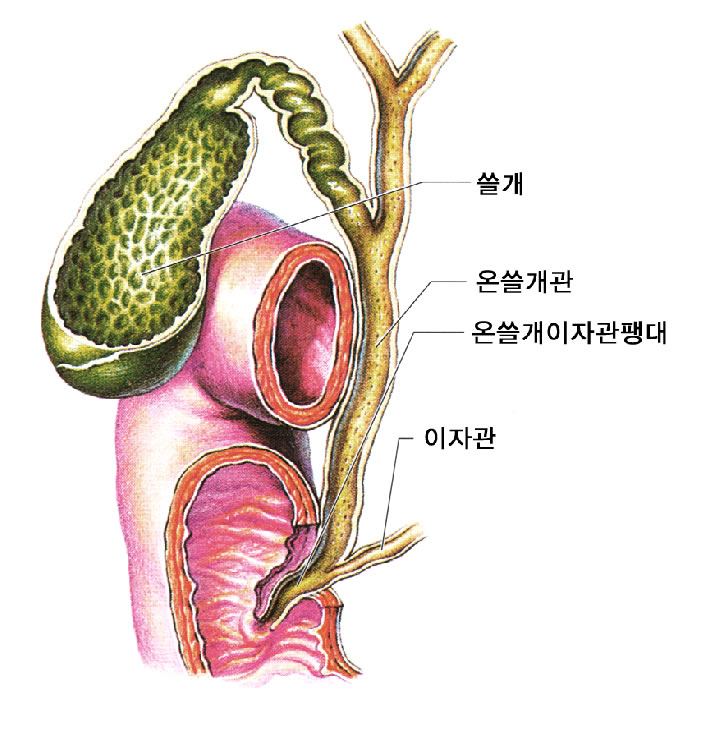
  °£¿¡¼­ ¸¸µé¾îÁø ¾µ°³ÁóÀ» ¼ö¼ÛÇϴ °üÁ¶Á÷ÀÇ ÀϺÎ. °£¿¡¼­ ¸¸µé¾îÁø ´ãÁóÀº °£°ü, ¾µ°³°üÀ» °ÅÃļ­ ¾µ°³¿¡ º¸°üµÇ¾ú´Ù°¡ ¿Â¾µ°³°üÀ» ÅëÇØ¼­ »ùâÀڷΠº¸³»Áø´Ù. ÀÌó·³ °£¿¡¼­ ¸¸µé¾îÁø ´ãÁóÀÌ »ùâÀÚ±îÁö ¹è¼³µÇ´Â ±æ·Î¼­ ±æÀ̴ 6~7cm À̸砰£°ü, ¾µ°³°ü, ¿Â¾µ°³°ü µûÀ§·Î ÀÌ·ç¾îÁ® ÀÖ´Ù.
¿µ¹® urinary tract ÇÑ±Û ¿ä·Î
¼³¸í   
  ¿ÀÁÜÀ» ¸ö ¹ÛÀ¸·Î ¹èÃâÇϱâ À§ÇÑ ±æ. ÄáÆÏ, ¿ä°ü, ¹æ±¤, ¿äµµ·Î ÀÌ·ç¾îÁ® ÀÖ´Ù.
¿µ¹® infection ÇÑ±Û °¨¿°
¼³¸í   
  º´¿ø¹Ì»ý¹°ÀÌ »ç¶÷À̳ª µ¿¹° ¶Ç´Â ½Ä¹°ÀÇ Á¶Á÷. Ã¼¾×-Ç¥¸é¿¡ Á¤ÂøÇÏ¿© Áõ½ÄÇϴ »óÅÂ. ÀÌ °æ¿ì µ¿¹° ¶Ç´Â ÀÎü¿¡ ¿©·¯ °¡Áö Áõ»ó, Áï Áúº´À» ÀÏÀ¸Å°´Â °æ¿ì¿Í ÀÏÀ¸Å°Áö ¾Ê´Â °æ¿ì°¡ ÀÖ´Ù. ¿¹¸¦ µé¸é, ÀϺ»³ú¿°¹ÙÀÌ·¯½º°¡ ÀÎü¿¡ Ä§ÀÔÇÏ¿© Ã¼³»¿¡ Áõ½ÄÇϸ頾 »ç¶÷¿¡°Ô´Â °í¿­-µÎÅë-ÀǽÄÀå¾Ö-°æ·Ã µîÀÇ Áõ»óÀÌ ÀϾ ¹ßº´À» ¾ËÁö¸¸, ´ë´Ù¼öÀÇ »ç¶÷Àº Ã¼³»¿¡¼­ ¹ÙÀÌ·¯½º°¡ Áõ½ÄÇÏ´õ¶óµµ Áõ¼¼ÀÇ Á¤µµ°¡ ³·°í ¹ß¿­À̳ª ±× ¹ÛÀÇ Áõ¼¼µµ ¾ø¾î °¨¿°À» ¸ð¸¥´Ù. À̿͠°°ÀÌ º´¿ø¹Ì»ý¹°Àº ÀÎü¿¡ °¨¿°µÇ´õ¶óµµ ¹ßº´Çϴ °æ¿ì¿Í ÇÏÁö ¾Ê´Â °æ¿ì°¡ ÀÖ´Ù. ÀüÀÚ¸¦ Áõ»ó°¨¿°, ÈÄÀÚ¸¦ ¹«Áõ»ó°¨¿°À̶ó ÇÑ´Ù. °¨¿°ÀÇ ±Ù¿øÀÌ µÇ´Â È¯ÀÚ-º¸±ÕÀÚ-°¨¿°µ¿¹°-¸Å°³µ¿¹°-º´¿øÃ¼¸¦ Æ÷ÇÔÇÑ ¹è¼³¹° ¹× ±×¿¡ ÀÇÇØ °¨¿°µÈ °ÍÀ» °¨¿°¿øÀ̶ó Çϰí, ÀÌ·¯ÇÑ °¨¿°¿ø¿¡¼­ Á÷Á¢ ¶Ç´Â °£Á¢À¸·Î »ýü¿¡ º´¿øÃ¼°¡ Ä§ÀÔÇϴ °æ·Î¸¦ °¨¿°°æ·Î¶ó ÇÑ´Ù. °¨¿°°æ·Î¿¡´Â °ø±â°¨¿°-Á¢Ã˰¨¿°-°æ±¸°¨¿°-°æÇǰ¨¿° µîÀÌ ÀÖ´Ù. ¶ÇÇÑ °¨¿°ÁõÀº Àü¿°¼º°ú ºñÀü¿°¼ºÀÇ µÎ °¡Áö·Î ³ª´­ ¼ö ÀÖ´Ù. ÀüÀڴ Áúº´ÀÇ °æ°ú Áß¿¡(¶§·Î´Â Àẹ±â³ª È¸º¹±â¿¡) °¨¿°ÇÑ »ýüÀÇ ºÐºñ¹° ¶Ç´Â ¹è¼³¹°°ú ÇÔ²² º´¿øÃ¼°¡ ³ª¿Í¼­ Á¢ÃË ¶Ç´Â ¸Å°³¿¡ ÀÇÇØ ´Ù¸¥ °³Ã¼¸¦ °¨¿°½Ã۴ °æ¿ì¸¦ ¸»ÇÑ´Ù. ¸¶¸¶-µðÇÁÅ׸®¾Æ-¼ºÈ«¿­-Æä½ºÆ®-ÄÝ·¹¶ó-ÀÌÁú µîÀÌ ÀÌ¿¡ ¼ÓÇÑ´Ù. ÈÄÀڴ º´¿øÃ¼°¡ °¨¿°ÇÑ »ýü¿¡¼­ ¹è¼³µÇÁö ¾Ê°Å³ª ¹è¼³µÇ´õ¶óµµ ´Ù¸¥ °³Ã¼¿¡´Â °¨¿°À» ÀÏÀ¸Å°Áö ¾Ê´Â °ÍÀ¸·Î ¿©±â¿¡´Â ÆÄ»ódz-¸»¶ó¸®¾Æ-¹ßÁøÆ¼Çª½º-»êÈÄ¿­ µîÀÌ ÀÖ´Ù.
¿µ¹® droplet infection ÇÑ±Û ºñ¸»°¨¿°, ÀÛÀº¹æ¿ï°¨¿°
¼³¸í   
  º¸±ÕÀÚ³ª Áõ»óÀÌ Àִ ȯÀڠȤÀº À̹̠°¨¿°µÇ¾î Àִ »ç¶÷ÀǠȣÈí¿¡¼­ ³ª¿Â Á÷°æ 10¸¶ÀÌÅ©·Ð ¶Ç´Â ±× ÀÌÇÏÀÇ ¾×üÀÔÀÚ¿¡ ºÎÀ¯Çϰí Àִ º´¿øÃ¼ÀÇ ÈíÀÔ¿¡ ÀÇÇѠȣÈí±â°¨¿°À» À̸¥´Ù. ÀÎÇ÷翣ÀÚ³ª Æíµµ¿°°ú °°À̠ȯÀÚ°¡ ±âħÀ» Çϰųª ´ëÈ­ µµÁß¿¡ ÀÚÀßÇÑ ºñ¸»°ú ÇÔ²² º´¿ø±ÕÀÌ °ø±â¿Í ÇÔ²² º´¿ø±ÕÀÌ ¹æÃâµÇ¾î °ø±â¿Í ÇÔ²² È£Èí±â·Î ÈíÀÔµÊÀ¸·Î½á °¨¿°µÇ´Â °ÍÀ» ¸»ÇÑ´Ù. °áÇÙ-À¯Ç༺°¨±â-¹éÀÏÇØ-µðÇÁÅ׸®¾Æ-Æó·Å µîÀÌ ÀÌ¿¡ ÀÇÇÏ¿© ÀüÆÄµÈ´Ù.
´ëÇÑÀÇÇù ÀÇÇпë¾î »çÀü °Ë»ö À¯»ç °Ë»ö °á°ú : 15 ÆäÀÌÁö: 1
  • ¿µ¹®
    ÇѱÛ
  • genitourinary tract
    ºñ´¢»ý½Ä°ü
  • respiratory tract infection
    ±âµµ°¨¿°
  • genitourinary
    ºñ´¢»ý½Ä-
  • genitourinary schistosomiasis
    ºñ´¢»ý½Ä±âÁÖÇ÷ÈíÃæÁõ
  • genitourinary system
    ºñ´¢»ý½Ä°èÅë, ºñ´¢»ý½Ä°è
  • ascending tract
    ¿À¸§±æ, »óÇà·Î
  • aerodigestive tract
    È£Èí¼ÒÈ­°ü
  • alimentary tract
    ¼ÒÈ­°ü
  • biliary tract
    ¾µ°³±æ, ´ãµµ
  • bypass tract
    ¹æ½Ç¿ìȸ·Î
  • corticospinal tract
    °ÑÁúô¼ö·Î, ÇÇÁúô¼ö·Î
  • census tract
    ÃÑÀα¸Á¶»çºÐÇÒ±¸¿ª
  • descending tract
    ³»¸²±æ, ÇÏÇà·Î
  • digestive tract
    ¼ÒÈ­°ü
  • digestive tract disease
    ¼ÒÈ­°üº´
´ëÇÑÀÇÇù Çʼö ÀÇÇпë¾îÁý »çÀü °Ë»ö À¯»ç °Ë»ö °á°ú : 15 ÆäÀÌÁö: 1
  • ¿µ¹®
    ÇѱÛ
  • genitourinary tract
    ºñ´¢»ý½Ä°ü
  • infection cycle
    °¨¿°°í¸®, °¨¿°»ç
  • infection
    °¨¿°
  • abortive infection
    ºÒ¹ß°¨¿°, ºÒÇö°¨¿°
  • fetal infection
    žư¨¿°
  • latent infection
    Àẹ°¨¿°
  • localized infection
    ±¹¼Ò°¨¿°
  • natural infection
    ÀÚ¿¬°¨¿°
  • neonatal infection
    °«³­¾Ö°¨¿°, ½Å»ý¾Æ°¨¿°
  • opportunistic infection
    ±âȸ°¨¿°
  • oral infection
    ÀԾȰ¨¿°, °æ±¸°¨¿°
  • primary infection
    ÀÏÂ÷°¨¿°
  • protozoan infection
    ¿øÃæ°¨¿°
  • secondary infection
    ÀÌÂ÷°¨¿°
  • systemic infection
    Àü½Å°¨¿°
¿¾ ´ëÇÑÀÇÇù ÀÇÇпë¾î »çÀü °Ë»ö À¯»ç °Ë»ö °á°ú : 15 ÆäÀÌÁö: 1
  • ¿µ¹®
    ÇѱÛ
  • genitourinary tract
    ºñ´¢»ý½Ä°ü
  • genitourinary
    ºñ´¢»ý½Ä-
  • genitourinary schistosomiasis
    (¢¡urinary schistosomiasis) ¹æ±¤ÁÖÇ÷ÈíÃæÁõ
  • genitourinary system
    ºñ´¢»ý½Ä°èÅë
  • genitourinary tumor
    ºñ´¢»ý½ÄÁ¾¾ç
  • aerodigestive tract
    È£Èí¼ÒÈ­°ü
  • alimentary tract
    (¢¡digestive tract) ¼ÒÈ­°ü
  • ascending tract
    ¿À¸§±æ, »óÇà·Î
  • biliary tract
    ´ãµµ, ´ã°ü, ¾µ°³±æ
  • census tract
    ÃÑÀα¸Á¶»çºÐÇÒ±¸¿ª
  • corticospinal tract
    °ÑÁúô¼ö·Î
  • corticospinal tract disease
    °ÑÁúô¼ö·Îº´
  • descending tract
    ³»¸²±æ, ÇÏÇà·Î
  • digestive tract
    ¼ÒÈ­°ü
  • digestive tract disease
    ¼ÒÈ­°üº´
¿¾ ´ëÇÑÀÇÇù 2 ÀÇÇпë¾î »çÀü °Ë»ö À¯»ç °Ë»ö °á°ú : 15 ÆäÀÌÁö: 1
  • ¿µ¹®
    ÇѱÛ
  • genitourinary tract
    ºñ´¢»ý½Ä±â·Î(¡­ÖØ).
  • genitourinary infection
    ºñ´¢»ý½Ä±â°¨¿°
  • anterior corticospinal tract anterior pyramidal tract
    ¾Õ°ÑÁúô¼ö·Î ¾ÕÇǶó¹Ô·Î
  • genital tract infection
    »ý½Ä±â°¨¿°
  • infection, urinary tract
    ¿ä·Î°¨¿°
  • GU= genitourinary
    »ý½Äºñ´¢±â¼º.
  • genitourinary =GU
    »ý½Äºñ´¢±â¼º.
  • genitourinary schistosomiasis
    »ý½Äºñ´¢±â¼º ÁÖÇ÷ÈíÃæº´.
  • genitourinary system
    ºñ´¢»ý½Ä±â°èÅë(ù²èñßæãÖÐïͧ÷Ö).
  • genitourinary system
    ºñ´¢»ý½Ä±â°èÅë(ù²èñßæãÖÐïͧ÷Ö).
  • genitourinary tumor
    ºñ´¢»ý½Ä±â Á¾¾ç
  • Cortico bulbar tract
    ÇÇÁú¿¬¼ö·Î(ù«òõæÅâÐÖØ)
  • Cortico rubral tract
    ÇÇÁúÀûÇÙ·Î(ù«òõîåú·ÖØ)
  • Corticomesencephalic tract
    ÇÇÁúÁß³ú·Î
  • Corticopontine tract
    ÇÇÁú±³·Î
¿¾ ´ëÇÑÀÇÇù 3 ÀÇÇпë¾î »çÀü °Ë»ö À¯»ç °Ë»ö °á°ú : 15 ÆäÀÌÁö: 1
  • ¿µ¹®
    ÇѱÛ
  • chlamydial infection
    Ŭ¶ó¹Ìµð¾Æ °¨¿°
  • genitourinary tract
    ºñ´¢»ý½Ä±â·Î(¡­ÖØ).
  • genitourinary infection
    ºñ´¢»ý½Ä±â°¨¿°
  • chlamydial disease
    Ŭ¶ó¹Ìµð¾Æº´(¡­Ü»)
  • genitourinary =GU
    »ý½Äºñ´¢±â¼º.
  • genitourinary schistosomiasis
    »ý½Äºñ´¢±â¼º ÁÖÇ÷ÈíÃæº´.
  • genitourinary system
    ºñ´¢»ý½Ä±â°èÅë(ù²èñßæãÖÐïͧ÷Ö).
  • genitourinary system
    ºñ´¢»ý½Ä±â°èÅë(ù²èñßæãÖÐïͧ÷Ö).
  • genitourinary tumor
    ºñ´¢»ý½Ä±â Á¾¾ç
  • anterior corticospinal tract anterior pyramidal tract
    ¾Õ°ÑÁúô¼ö·Î ¾ÕÇǶó¹Ô·Î
  • lateral corticospinal tract lateral pyramidal tract
    °¡ÂʰÑÁúô¼ö·Î °¡ÂÊÇǶó¹Ô·Î
  • genital tract infection
    »ý½Ä±â°¨¿°
  • infection, urinary tract
    ¿ä·Î°¨¿°
  • specific urinary tract infection
    ƯÀ̼º ¿ä·Î°¨¿°
  • urinary tract infection
    ¿ä·Î°¨¿°Áõ (¡­Êïæøñø).
´ëÇÑÇØºÎÇÐȸ ÀÇÇпë¾î »çÀü °Ë»ö À¯»ç °Ë»ö °á°ú : 15 ÆäÀÌÁö: 1
  • ¿µ¹®
    ÇѱÛ
  • Abnormality by infection
    °¨¿°±âÇü
    [¿¾ ¿ë¾î] °¨¿°ºñÁ¤»ó
  • Lateral corticospinal tract [Lateral pyramidal tract]
    °¡ÂʰÑÁúô¼ö·Î [°¡ÂÊÇǶó¹Ô·Î]
    [¿¾ ¿ë¾î] ¿ÜÃøÇÇÁúô¼ö·Î(ÃßÃ¼Ãø»è·Î)
  • Anterior corticospinal tract [Anterior pyramidal tract]
    ¾Õ°ÑÁúô¼ö·Î [¾ÕÇǶó¹Ô·Î]
    [¿¾ ¿ë¾î] ÀüÇÇÁúô¼ö·Î(ÃßüÀü»è·Î)
  • Corticonuclear tract
    °ÑÁúÇÙ·Î
    [¿¾ ¿ë¾î] ÇÇÁúÇÙ·Î
  • Solitary tract
    °í¸³·Î
    [¿¾ ¿ë¾î] °í¼Ó
  • Habenulointerpeduncular tract
    °í»ß´Ù¸®»çÀÌ·Î
    [¿¾ ¿ë¾î] °í»ß°¢°£·Î
  • Foraminous spiral tract
    ±¸¸Ûº®³ª¼±±æ
    [¿¾ ¿ë¾î] ³ª¼±°ø·Ä
  • Reticulospinal tract
    ±×¹°Ã´¼ö·Î
    [¿¾ ¿ë¾î] ¸Á»óüô¼ö·Î
  • Paraventriculohypophyseal tract
    ³ú½Ç°ç³úÇϼöü·Î
    [¿¾ ¿ë¾î] ½Ç¹æÇϼöü·Î
  • Pontine reticulospinal tract
    ´Ù¸®³ú±×¹°Ã´¼ö·Î
    [¿¾ ¿ë¾î] ±³³ú¸Á»óüô¼ö·Î
  • Tectobulbar tract
    µ¤°³¼û³ú·Î
    [¿¾ ¿ë¾î] ½Ã°³¿¬¼ö·Î
  • Tectospinal tract
    µ¤°³Ã´¼ö·Î
    [¿¾ ¿ë¾î] ½Ã°³Ã´¼ö·Î
  • Posterolateral tract
    µÚ°¡ÂÊ·Î
    [¿¾ ¿ë¾î] ÈÄ¿ÜÃø·Î
  • Posterior spinocerebellar tract
    µÚô¼ö¼Ò³ú·Î
    [¿¾ ¿ë¾î] ÈÄô¼ö¼Ò³ú·Î
  • Muscles of urinary tract
    ºñ´¢°ü±ÙÀ°
    [¿¾ ¿ë¾î] ºñ´¢°ü±Ù
´ëÇѱâ»ýÃæÇÐȸ ÀÇÇпë¾î »çÀü °Ë»ö À¯»ç °Ë»ö °á°ú : 15 ÆäÀÌÁö: 1
  • ¿µ¹®
    ÇѱÛ
  • genitourinary schistosomiasis
    ºñ´¢»ý½Ä±âÁÖÇ÷ÈíÃæÁõ
  • congenital infection
    ¼±Ãµ°¨¿°
  • ectopic infection
    À̼Ұ¨¿°
  • helminthic infection
    ¿¬Ãæ°¨¿°
  • household infection
    Áý¾È°¨¿°
  • indigenous infection
    ÅäÂø°¨¿°
  • infection intensity
    °¨¿°°­µµ
  • latent infection
    Àẹ°¨¿°
  • Leishmania mexicana mexicana infection
    ¸ß½ÃÄÚ¸®½´¸¸Æí¸ðÃæÁõ
  • mosquito borne infection
    ¸ð±â¸Å°³°¨¿°
  • opportunistic infection
    ±âȸ°¨¿°
  • oral infection
    °æ±¸°¨¿°
  • percutaneous infection
    °æÇǰ¨¿°
  • primary infection
    ÀÏÂ÷°¨¿°
  • protozoan infection
    ¿øÃæ°¨¿°
´ëÇÑ»ýÈ­ÇкÐÀÚ»ý¹°ÇÐȸ ¿ë¾î »çÀü °Ë»ö À¯»ç °Ë»ö °á°ú : 8 ÆäÀÌÁö: 1
  • ¿µ¹®
    ÇѱÛ
  • abortive infection
    ¹Ì¼÷°¨¿° (Ú±âÙÊïæø)
  • abortive infection
    ºÎÀü°¨¿° (ÜôîïÊïæø)
  • abortive infection
    ºÒ¿Ï°¨¿° (ÝÕèÇÊïæø)
  • cross-infection
    ±³Â÷°¨¿°(Îßó©Êïæø)
  • endosymbiotic infection
    ³»°ø»ý °¨¿° (Ò®ÍìßæÊïæø)
  • latent infection
    Àẹ°¨¿°(íÖÜÑÊïæø)
  • localized infection
    ±¹¼Ò°¨¿°(ÏÑá¶Êïæø)
  • productive infection
    »ý»ê °¨¿°(ßæß§Êïæø)
KI ÀÇÇпë¾î »çÀü °Ë»ö À¯»ç °Ë»ö °á°ú : 15 ÆäÀÌÁö: 1
  • ¿µ¹®
    ÇѱÛ
  • genitourinary tract
    ºñ´¢»ý½Ä±â·Î
  • genitourinary
    »ý½Äºñ´¢±â¼º
  • alimentary tract
    ¼ÒÈ­°ü, ¿µ¾ç°ü
  • corticospinal tract
    ÇÇÁúô¼ö·Î
  • extrapyramidal tract
    Ãßü¿Ü·Î
  • fistulous tract
    ´©µµ°ü
  • genital tract
    »ý½Ä·Î
  • inflow tract
    À¯ÀÔ·Î
  • olivospinal tract
    ¿Ã¸®ºêô¼ö·Î
  • optic tract
    ½Ã»è
  • pyramidal tract
    ÇǶó¹Ô·Î
  • respiratory tract
    ±âµµ, È£Èí±âµµ
  • spinal tract
    ô¼ö·Î
  • tract
    ·Î
  • urinary tract
    ¿ä·Î
KMLE ÀÇÇоà¾î »çÀü À¯»ç °Ë»ö °á°ú : 5 ÆäÀÌÁö: 1
ECG Electro-Cardio-Graphy(-Gram); ½ÉÀüµµ
   = EKG
  1. Conducting System Structu...
GUS genitourinary sphincter; genitourinary system
LRI lamina rara interna; lower respiratory [tract] illness; lower respiratory [tract] infection; lymphoc...
LRTI lower respiratory tract illness; lower respiratory tract infection
STANDOUT soft thresholding and depth cueing of unspecified techniques
KMLE ÀÚµ¿ÃßÃâ ÀÇÇоà¾î »çÀü À¯»ç °Ë»ö °á°ú : 5 ÆäÀÌÁö: 1
GU Genitourinary
UTI 3-urinary tract infection
ALRI Acute lower respiratory tract infection
LRI Lower respiratory tract infection
LRTI Lower respiratory tract infection
Çѱ¹Ç¥ÁØÁúº´»çÀκзù ¾àÀÚ ¸ÂÃã °Ë»ö °á°ú : 1 ÆäÀÌÁö: 1
  • ÄÚµå
    ¿µ¹®
    ÇѱÛ
  • A56.2
    Chlamydial infection of genitourinary tract, unspecified
    »ó¼¼ºÒ¸íÀÇ ºñ´¢»ý½Ä±â·Î Ŭ¶ó¹Ìµð¾Æ¼º °¨¿°
°æºÏ´ë Ä¡°ú´ëÇÐ ±¸°­³»°ú ±³½Ç »çÀü À¯»ç °Ë»ö °á°ú : 15 ÆäÀÌÁö: 1
  • ¿µ¹®
    ÇѱÛ
    ¼³¸í
  • unspecified
    ºñƯÀ̼º
    ´Ù¸¥ °ÍÇÏ°í¸¸ Ưº°È÷ °áÇÕÀ» ÇÑ´ÙµçÁö ¹ÝÀÀÇϴ ƯÀ̼ºÀÌ ¾ø´Â.
  • venereum chlamydial lymphogranuloma
    ¼ºº´¼º Ŭ·Î¹Ìµð¾Æ ¸²ÇÁÀ°¾ÆÁ¾
  • lateral corticospinal tract lateral pyramidal tract
    °¡ÂÊ °ÑÁú ô¼ö·Î, °¡ÂÊ ÇǶó¹Ô·Î
  • alimentary tract
    ¼ÒÈ­°ü, ¿µ¾ç°ü, ¼ÒÈ­°ü³»
    ¼·ÃëÇÑ À½½Ä¹°ÀÇ ¼ÒÈ­, Èí¼ö¸¦ ¸Ã¾Æº¸´Â ±â°ü. ±¸°­, ÀεÎ, ½Äµµ, À§, ¼ÒÀå, ´ëÀåÀ¸·Î ±¸ºÐµÈ´Ù.
  • anterior pyramidal tract
    ¾ÕÇǶó¹Ô·Î, ÀüÇÇÁú ô¼ö·Î, ÃßüÀü»è·Î
    µ¿ÀǾî=direct
  • anterior spinocerebellar tract
    ¾Õô¼ö ¼Ò³ú·Î
  • anterolateral tract
    Àü Ãø¹æ·Î
  • biliary tract
    ´ãµµ
  • central tegmental tract
    Á᫐ µÚÆÇ·Î
  • cortico bulbar tract
    ÇÇÁú ¿¬¼ö·Î
  • corticobulbar tract
    ÇÇÁú ¿¬¼ö·Î
  • dead tract
    »ç·Î
  • digestive tract disease
    ¼ÒÈ­±â °èÅë Áúȯ
  • dorsal spinocerebellar tract
    ¹èÃø ô¼ö ¼Ò³ú·Î
  • extrapyramidal tract
    Ãßü¿Ü·Î
    ´ë³ú ÇÇÁúÀ» Æ÷ÇÔÇÑ °íÀ§ ¿îµ¿ ÁßÃß¿¡¼­ ô¼ö·Î ÇÏÇàÇÏ´Â ¿îµ¿ ½Å°æ·ÎÀÇ ÀÏÁ¾.
CancerWEB ¿µ¿µ ÀÇÇлçÀü À¯»ç °Ë»ö °á°ú : 15 ÆäÀÌÁö: 1
genitourinary tract Includes the kidneys, ureters, bladder and urethra.
(27 Sep 1997)
chlamydial Relating to or caused by any bacterium of the genus Chlamydia.
(05 Mar 2000)
chlamydial arthritis Serous polyarthritis of cattle and sheep from chlamydial infection.
(05 Mar 2000)
pregnancy danger from urinary tract infection A pregnant woman who develops a uti should be treated promptly to avoid premature delivery of her baby and other risks such as high blood pressure. Some antibiotics are not safe to take during pregnancy. In selecting the best treatment, doctors consider various factors such as the drug's effectiveness, the stage of pregnancy, the mother's health, and potential effects on the foetus.
(12 Dec 1998)
infection, urinary tract An infection in the urinary system that begins when microorganisms cling to the opening of the urethra (the canal from the bladder) and begin to multiply. most utis are due to one type of bacteria, e. (escherichia) coli, a normal denisen of the colon. An infection in the urethra leads to inflammation called urethritis. From there bacteria may move up, causing a bladder infection (cystitis) and if the infection is not treated promptly, bacteria may go up the ureters to infect the kidneys (pyelonephritis). Factors leading to uti include any abnormality of the urinary tract (such as a urinary tract malformation or a kidney stone) that obstructs the flow of urine, an enlarged prostate gland that slows the flow of urine, catheters (tubes) in the bladder, diabetes (due to changes of the immune system), and any disorder that suppresses the immune system. Women have more uti than men, probably because a woman's urethra is shorter (allowing bacteria quick access to the bladder) and nearer sources of bacteria from the anus and vagina. For many women, sexual intercourse seems to trigger an infection, as may the use of a diaphragm. Not everyone with a uti has symptoms but symptoms commonly include a frequent urge to urinate and a painful, burning when urinating (dysuria). The urine may look milky or cloudy, even reddish if blood is present. Kidney infection can cause pain in the back or side below the ribs. In children, symptoms may be easily missed or misunderstood. A child with a uti may be irritable, not eat normally, have an unexplained fever, have incontinence or loose bowels, or just not thrive.
(12 Dec 1998)
urinary tract infection A bacterial infection of the urethra, bladder, ureters or kidneys (part of the urinary tract).
Common symptoms of a urinary tract infection include pain with urination, urinary urgency and increased frequency of urination.
Acronym: UTI
(15 Nov 1997)
genitourinary <anatomy> Pertaining to the genital and urinary organs, urogenital, urinosexual.
(18 Nov 1997)
genitourinary apparatus The organs concerned in the production and excretion of urine, together with the organs of reproduction.
(12 Dec 1998)
genitourinary fistula A fistulous opening into the urogenital tract.
Synonym: urogenital fistula.
(05 Mar 2000)
genitourinary system The organs concerned in the production and excretion of urine, together with the organs of reproduction.
(12 Dec 1998)
agonal infection An acute infection, commonly pneumonic or septic, occurring toward the end of any disease and often the cause of death.
Synonym: agonal infection.
(05 Mar 2000)
airborne infection A mechanism of transmission of an infectious agent by particles, dust, or droplet nuclei suspended in the air.
(05 Mar 2000)
apical infection Implantation of microorganisms at the apex of a tooth, usually the result of the migration of microorganisms from the pulp canal through the apical foramen.
(05 Mar 2000)
arbovirus infection <virology> A type of viral infection that is transmitted by mosquitoes in late spring to early autumn. One manifestation is encephalitis (central nervous system infection).
(27 Sep 1997)
ascariasis infection <microbiology> Infection by the nematode Ascaris lumbricoides and is characterised by an early pulmonary phase related to larval migration and a later, prolonged intestinal phase.
Adult worms are 15-40 cm in length and maintain themselves in the lumen of the small intestine. Infection occurs after ingesting eggs contained in contaminated food or more commonly, by transmission to the mouth by the hands after contact with contaminated soil.
Treatment is with mebendazole or pyrantel pamoate.
(27 Sep 1997)
ÇÑ¿µ/¿µÇÑ »çÀü À¯»ç °Ë»ö °á°ú : 11 ÆäÀÌÁö: 1
  • ¿µ¹®
    ÇѱÛ
  • genitourinary
    ºñ´¢ »ý½Ä±âÀÇ
  • unspecified
    Ư±â
  • tract
    ¼ÒÃ¥ÀÚ; ÆÊÇ÷¿
  • census tract
    (´ëµµ½ÃÀÇ)Àα¸Á¶»ç Ç¥ÁØÁö¿ª;±¹¼¼Á¶»ç ´ÜÀ§
  • tract
    ³ÐÀº ¶¥;Áö¿ª;(ÇÏ´Ã,¹Ù´ÙÀÇ)³ÐÀÌ;±â°£;°ü;°èÅë
  • tract
    ¼Ò³í¹®;¼ÒÃ¥ÀÚ;(Á¾±³ °ü°èÀÇ)ÆÊÇ÷¿
  • infection
    ¿µÇâ; Àü¿°º´
  • droplet infection
    (ÀÇ)ºñ¸» °¨¿°
  • focal infection
    º´¼Ò°¨¿°
  • infection
    (º´µ¶ÀÇ)°ø±âÀü¿°;°¨¿°(cf.CONTAFION)(µµ´öÀûÀ¸·Î)³ª»Û °¨È­(¿µÇâ);¿À¿°(CONTAMINATION)Àü¿°º´;°¨¿°Áõ
  • infection point
    º¯°îÁ¡
ÀÌ ¾Æ·¡ ºÎÅÍ´Â °á°ú°¡ ¾ø½À´Ï´Ù.
KMLE ¾àǰ/ÀǾàǰ ¸ÂÃã °Ë»ö °á°ú : 0 ÆäÀÌÁö: 1
  • Á¦Ç°¸í
    ¼ººÐ/ÇÔ·®
    ±¸ºÐ/º¸Çè±Þ¿©
KMLE ¾àǰ/ÀǾàǰ À¯»ç °Ë»ö °á°ú : 0 ÆäÀÌÁö: 1
  • Á¦Ç°¸í
    ¼ººÐ/ÇÔ·®
    ±¸ºÐ/º¸Çè±Þ¿©
¾Ë±â½¬¿î ÀÇÇпë¾îÇ®ÀÌÁý, ¼­¿ïÀÇ´ë ±³¼ö ÁöÁ¦±Ù, °í·ÁÀÇÇÐ ÃâÆÇ ¸ÂÃã °Ë»ö °á°ú : 0 ÆäÀÌÁö: 1
´ëÇÑÀÇÇù ÀÇÇпë¾î »çÀü °Ë»ö ¸ÂÃã °Ë»ö °á°ú : 0 ÆäÀÌÁö: 1
  • ¿µ¹®
    ÇѱÛ
´ëÇÑÀÇÇù Çʼö ÀÇÇпë¾îÁý »çÀü °Ë»ö ¸ÂÃã °Ë»ö °á°ú : 0 ÆäÀÌÁö: 1
  • ¿µ¹®
    ÇѱÛ
¿¾ ´ëÇÑÀÇÇù ÀÇÇпë¾î »çÀü °Ë»ö ¸ÂÃã °Ë»ö °á°ú : 0 ÆäÀÌÁö: 1
  • ¿µ¹®
    ÇѱÛ
¿¾ ´ëÇÑÀÇÇù 2 ÀÇÇпë¾î »çÀü °Ë»ö ¸ÂÃã °Ë»ö °á°ú : 0 ÆäÀÌÁö: 1
  • ¿µ¹®
    ÇѱÛ
¿¾ ´ëÇÑÀÇÇù 3 ÀÇÇпë¾î »çÀü °Ë»ö ¸ÂÃã °Ë»ö °á°ú : 0 ÆäÀÌÁö: 1
  • ¿µ¹®
    ÇѱÛ
´ëÇÑÇØºÎÇÐȸ ÀÇÇпë¾î »çÀü °Ë»ö ¸ÂÃã °Ë»ö °á°ú : 0 ÆäÀÌÁö: 1
  • ¿µ¹®
    ÇѱÛ
´ëÇѽŰæ¿Ü°úÇÐȸ ÀÇÇпë¾î »çÀü °Ë»ö ¸ÂÃã °Ë»ö °á°ú : 0 ÆäÀÌÁö: 1
  • ¿µ¹®
    ÇѱÛ
    ÇÑÀÚ
´ëÇѽŰæ¿Ü°úÇÐȸ ÀÇÇпë¾î »çÀü °Ë»ö À¯»ç °Ë»ö °á°ú : 0 ÆäÀÌÁö: 1
  • ¿µ¹®
    ÇѱÛ
    ÇÑÀÚ
´ëÇѱâ»ýÃæÇÐȸ ÀÇÇпë¾î »çÀü °Ë»ö ¸ÂÃã °Ë»ö °á°ú : 0 ÆäÀÌÁö: 1
  • ¿µ¹®
    ÇѱÛ
´ëÇÑ»ýÈ­ÇкÐÀÚ»ý¹°ÇÐȸ ¿ë¾î »çÀü °Ë»ö ¸ÂÃã °Ë»ö °á°ú : 0 ÆäÀÌÁö: 1
  • ¿µ¹®
    ÇѱÛ
KI ÀÇÇпë¾î »çÀü °Ë»ö ¸ÂÃã °Ë»ö °á°ú : 0 ÆäÀÌÁö: 1
  • ¿µ¹®
    ÇѱÛ
KMLE ÀÇÇоà¾î »çÀü ¸ÂÃã °Ë»ö °á°ú : 0 ÆäÀÌÁö: 1
KMLE ÀÚµ¿ÃßÃâ ÀÇÇоà¾î »çÀü ¸ÂÃã °Ë»ö °á°ú : 0 ÆäÀÌÁö: 1
ÀÇÇÐ³í¹® ¾àÀÚ(Pubmed/Entrez) °Ë»ö ¸ÂÃã °Ë»ö °á°ú : 0 ÆäÀÌÁö: 1
Çѱ¹Ç¥ÁØÁúº´»çÀκзù ¾àÀÚ À¯»ç °Ë»ö °á°ú : 0 ÆäÀÌÁö: 1
  • ÄÚµå
    ¿µ¹®
    ÇѱÛ
°æºÏ´ë Ä¡°ú´ëÇÐ ±¸°­³»°ú ±³½Ç »çÀü ¸ÂÃã °Ë»ö °á°ú : 0 ÆäÀÌÁö: 1
  • ¿µ¹®
    ÇѱÛ
    ¼³¸í
CancerWEB ¿µ¿µ ÀÇÇлçÀü ¸ÂÃã °Ë»ö °á°ú : 0 ÆäÀÌÁö: 1
MeSH(Medical Subject Headings) ¸ÂÃã °Ë»ö (http://www.nlm.nih.gov) °á°ú : 0 ÆäÀÌÁö: 1
MeSH(Medical Subject Headings) À¯»ç °Ë»ö (http://www.nlm.nih.gov) °á°ú : 0 ÆäÀÌÁö: 1
¿ÜºÎ ¸µÅ© - Merriam-Webster's ÀÇÇлçÀü ¸ÂÃã °Ë»ö (https://www.merriam-webster.com) °á°ú: 0 ÆäÀÌÁö: 1
¿ÜºÎ ¸µÅ© - Merriam-Webster's ÀÇÇлçÀü À¯»ç °Ë»ö (https://www.merriam-webster.com) °á°ú: 0 ÆäÀÌÁö: 1
¿ÜºÎ ¸µÅ© - A.D.A.M. Medical Encyclopedia ¸ÂÃã °Ë»ö (http://www.nlm.nih.gov) °á°ú: 0 ÆäÀÌÁö: 1
¿ÜºÎ ¸µÅ© - A.D.A.M. Medical Encyclopedia À¯»ç °Ë»ö (http://www.nlm.nih.gov) °á°ú: 0 ÆäÀÌÁö: 1
¿ÜºÎ ¸µÅ© - MedlinePlus Health Topics ¸ÂÃã °Ë»ö (http://www.nlm.nih.gov) °á°ú: 0 ÆäÀÌÁö: 1
¿ÜºÎ ¸µÅ© - MedlinePlus Health Topics À¯»ç °Ë»ö (http://www.nlm.nih.gov) °á°ú: 0 ÆäÀÌÁö: 1
¿ÜºÎ ¸µÅ© - µå·¯±×ÀÎÆ÷ ¾àÇÐ Á¤º¸ ¸ÂÃã °Ë»ö (http://www.druginfo.co.kr) °á°ú: 0 ÆäÀÌÁö: 1
Á¦Ç°¸í
ÆÇ¸Å»ç
º¸ÇèÄÚµå ¼ººÐ/ÇÔ·®
±¸ºÐ/º¸Çè±Þ¿©
¿ÜºÎ ¸µÅ© - µå·¯±×ÀÎÆ÷ ¾àÇÐ Á¤º¸ À¯»ç °Ë»ö (http://www.druginfo.co.kr) °á°ú: 0 ÆäÀÌÁö: 1
Á¦Ç°¸í
ÆÇ¸Å»ç
º¸ÇèÄÚµå ¼ººÐ/ÇÔ·®
±¸ºÐ/º¸Çè±Þ¿©
¿ÜºÎ ¸µÅ© - WebMD.com Drug Reference ¸ÂÃã °Ë»ö (http://www.webmd.com) °á°ú: 0 ÆäÀÌÁö: 1
¿ÜºÎ ¸µÅ© - WebMD.com Drug Reference À¯»ç °Ë»ö (http://www.webmd.com) °á°ú: 0 ÆäÀÌÁö: 1
¿ÜºÎ ¸µÅ© - Drug.com Drugs by Medical Condition ¸ÂÃã °Ë»ö (http://www.drugs.com) °á°ú: 0 ÆäÀÌÁö: 1
¿ÜºÎ ¸µÅ© - Drug.com Drugs by Medical Condition À¯»ç °Ë»ö (http://www.drugs.com) °á°ú: 0 ÆäÀÌÁö: 1
KMLE À¥ ¿ë¾î ¸ÂÃã °Ë»ö °á°ú : 0 ÆäÀÌÁö: 1
KMLE À¥ ¿ë¾î À¯»ç °Ë»ö °á°ú : 0 ÆäÀÌÁö: 1
ÇÑ¿µ/¿µÇÑ »çÀü ¸ÂÃã °Ë»ö °á°ú : 0 ÆäÀÌÁö: 1
  • ¿µ¹®
    ÇѱÛ
WordNet ÀÏ¹Ý ¿µ¿µ »çÀü °Ë»ö °á°ú : 0 ÆäÀÌÁö: 1
¿ÜºÎ ¸µÅ© - American Heritage Dictionary ¿µ¿µ»çÀü ¸ÂÃã °Ë»ö (https://www.ahdictionary.com) °á°ú: 0 ÆäÀÌÁö: 1
¿ÜºÎ ¸µÅ© - American Heritage Dictionary ¿µ¿µ»çÀü À¯»ç °Ë»ö (https://www.ahdictionary.com) °á°ú: 0 ÆäÀÌÁö: 1
ÅëÇÕ°Ë»ö ¿Ï·á