
| 영문 | white blood cell(WBC), leukocyte | 한글 | 백혈구 |
|---|---|---|---|
| 설명 | 혈액내에 골수구계세포와 림프계세포, 단핵구계세포를 모두 통틀어 말한다. 백혈구의 증가가 있으면 대개 감염이 있거나, 혹은 탈수현상이 있음을 의미한다. 또한 지나친 백혈구수의 감소는 인체내 면역기능이 떨어져 있음을 의미하며, 다른 질병에 의해 나타나는 이차적인 현상이 아닌지 꼭 진단을 받아보아야 한다. |
||
| 영문 | white matter | 한글 | 백색질 |
|---|---|---|---|
| 설명 | 1. 뇌는 두 부분으로 나뉘어져 있다. 대뇌겉질이나 뇌의 중앙부에 위치하는 핵(예를 들면 시상, 시상하부, 바닥핵 등)이 회색질이고 그 외는 백색질이다. 척수의 경우에는 바깥쪽의 하얀부분을 백색질이라 하고, 안쪽의 색깔이 어두운 부분을 회색질이라 한다. 이중 실제적으로 대부분의 신경세포의 돌기 특히 축삭과 말이집으로 구성된 것이 백색질이며, 회색질은 신경세포와 보조하는 세포들이 많은 곳이다. 또한 척수도 백색질과 회색질로 나뉘어 있다. 2. 치아에 점착된 백색 물질로서 세균 및 사상 미생물을 함유한 점액 및 상피세포로 구성된다. 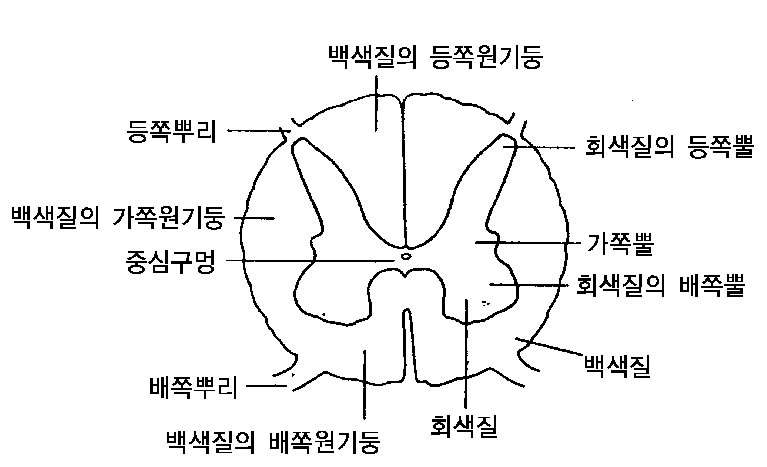 |
||
| 영문 | blood clotting, blood coagulation | 한글 | 혈액응고 |
|---|---|---|---|
| 설명 | 사람의 몸에 상처가 나서 출혈이 있을 경우에 이것을 막고 피를 더이상 나지 않게 하는 것을 지혈이라고 한다. 지혈의 과정에는 크게 두 가지 단계가 있다. 첫번째 단계는 혈소판들이 상처가 나서 손상된 혈관의 부위를 막는 것이다. 이렇게 하면 우선 혈관의 손상부위로 부터 피가 나오는 것을 막을 수가 있다. 다음의 단계는 상처를 막고 있는 혈소판위에 여러 가지 물질들이 작용해서 더욱 단단하게 하여 상처가 난 혈관에서 피가 새는 것을 영구히 막는 것이다. 쉽게 말하면 혈소판은 벽돌에 해당하는 것이고 두번째 과정에 참여하는 물질들은 시멘트에 해당하는 것이다. 이 두 과정이 완전할 경우에 지혈이 순조롭게 일어난다. 혈액응고란 두번째 단계를 지칭하는 말로써 매우 복잡한 단계를 거치는 반응으로 마지막 단계는 섬유소라는 물질이 만들어져서 이 물질이 혈소판과 그 외의 세포를 단단하게 고정시켜 피가 상처난 혈관으로 새는 것을 막는다. 이것을 가장 간단히 설명하자면 크게 다음과 같은 3가지 단계로 이루어진다. 첫번째 단계는 혈관손상에 의해서 프로트롬빈 활성제라는 것이 만들어지는 단계이다. 두번째 단계는 이 프로트롬빈 활성제라는 물질에 의해서 혈액속에 있는 프로트롬빈이라는 물질이 트롬빈이라는 물질로 바뀌는 단계이다. 세번째 단계는 트롬빈이라는 물질에 의해서 섬유소원이라는 물질이 섬유소으로 바뀌는 단계이다. |
||
| 영문 | fasting blood sugar | 한글 | 공복혈당, 빈속혈당 |
|---|---|---|---|
| 설명 | 혈액속에 포함되어 있는 포도당. 뇌와 적혈구의 에너지원이 되고, 그 양은 운동, 식사 따위에 의하여 달라진다. 건강인의 아침 공복시 혈중 포도당 농도는 60~100mg/dL이지만 기타의 당질 즉 과당, 갈락토스, 5탄당은 미량이며 일반적으로 혈당일 하면 혈중포도당을 의미한다. 혈당은 생체의 에너지원으로서 가장 중요한 물질이다. 그 농도는 창자관으로부터의 흡수, 간에 있어서의 당신생과 글리코겐의 합성-분해, 말초조직의 당이용, 콩팥으로부터의 배설 등 여러 인자에의해 좌우되며 그 조절에는 자율신경과 각종 호르몬이 밀접하게 관계한다. 특히 혈당저하작용에는 인슐린이, 그리고 혈당상승작용에는 에피네프린, 글루카곤, 성장호르몬, 부신겉질호르몬, 부신겉질자극호르몬, 갑상샘 호르몬이 관계가 있으며 그것들의 대항 및 협조 작용에 의해 혈당치가 조절된다. |
||
| 영문 | whole blood | 한글 | 전혈, 온혈액 |
|---|---|---|---|
| 설명 | 혈액의 모든 성분이 하나도 제거되지 않은 온전한 혈액. 전혈은 엄격한 무균조건하에서, 선별한 공혈자로부터 채취한 것이며, 구연산 이온이나 헤파린 같은 항응공제로 응고를 방지하여 혈액보충 목적으로 사용한다. |
||
| WC | ward clerk; water closet; Weber-Christian [syndrome]; wheel chair; white cell; white cell casts; whi... |
|---|---|
| RBC | red blood cell; red blood corpuscle; red blood count |
| WBC | well baby care/clinic; white blood cell; white blood cell count; whole blood cell count |
| TWBC | total white blood cells; total white blood count |
| CBV | capillary blood cell velocity; catheter balloon valvuloplasty; central blood volume; cerebral blood ... |
| P.c. | Pacinian corpuscle |
|---|---|
| W-W | white-on-white |
| WBC | White Blood Cell |
| WBC | White Blood Cell Count |
| WBC | White blood count |
| white corpuscle | Any type of leukocyte. (05 Mar 2000) |
|---|---|
| blood corpuscle | <haematology> There are three main types of cell in the blood stream. The red cell, which carries oxygen, the white cell, which fights infections and the platelet, which helps prevent bleeding. The correct balance between each cell type must be maintained for the body to remain healthy. (13 Nov 1997) |
| concentrated human red blood corpuscle | Corpuscle prepared from one or more preparations of whole human blood which are not more than 14 days old and each of which has already been directly matched with the blood of the intended recipient. (05 Mar 2000) |
| white blood cell | <haematology> White corpuscles in the blood. They are spherical, colourless and nucleated masses involved with host defenses. Normal white blood cell counts are variable with age and sex. Normal adult range is 4, 500 to 11,000 cells per cubic millimetre of blood. Slightly higher counts are seen in children. Elevated counts can be seen in cases of inflammation and infection. See: leucocytes, basophils, coelomocytes, eosinophils, haemocytes, lymphocytes, neutrophils, monocytes. Acronym: WBC (13 Nov 1997) |
| white blood cell cast | A urinary cast composed of polymorphonuclear leukocytes, characteristic of tubulointerstitial disease, especially pyelonephritis. (05 Mar 2000) |
| white blood cell count | <haematology> A laboratory test which measures the number of white blood cells per cubic millimetre of blood. Normal white blood cell counts are variable with age and sex. Normal adult range is 4, 500 to 11,000 cells per cubic millimetre of blood. Slightly higher counts are seen in children. Elevated counts can be seen in cases of inflammation and infection. (13 Nov 1997) |
| white blood cell differential | <haematology> The white blood cell differential is a percentage of each type of white blood cell based on a count of 100 white cells. A change in the white blood cell type (to neutrophils or bands) can indicate a bacterial infection. Neutrophils, bands, lymphocytes, monocytes, basophils and eosinophils are all included. (13 Nov 1997) |
| white blood cells | White blood cells (WBCs) are cells which circulate in the blood and lymphatic system and harbor in the lymph glands and spleen. They are part of the immune system responsible for both directly (t cells and macrophages) and indirectly (B-cells producing antibodies) attacking foreign invaders of the body. (12 Dec 1998) |
| differential white blood count | An estimate of the percentage of white blood cell types which make up the total white blood cell count. (05 Mar 2000) |
| amniotic corpuscle | One of a number of small ovoid or rounded, sometimes laminated, bodies resembling a grain of starch and found in nervous tissue, in the prostate, and in pulmonary alveoli; of little pathological significance, and apparently derived from degenerated cells or proteinaceous secretions. Synonym: amniotic corpuscle, amylaceous corpuscle, amyloid corpuscle, colloid corpuscle. (05 Mar 2000) |
| amyloid corpuscle | One of a number of small ovoid or rounded, sometimes laminated, bodies resembling a grain of starch and found in nervous tissue, in the prostate, and in pulmonary alveoli; of little pathological significance, and apparently derived from degenerated cells or proteinaceous secretions. Synonym: amniotic corpuscle, amylaceous corpuscle, amyloid corpuscle, colloid corpuscle. (05 Mar 2000) |
| axis corpuscle | Axile corpuscle, the central portion of a tactile corpuscle. (05 Mar 2000) |
| basal corpuscle | <cell biology> Structure found at the base of eukaryotic cilia and flagella consisting of a continuation of the nine outer sets of axonemal microtubules but with the addition of a C tubule to form a triplet (like the centriole). May be self replicating and serves as a nucleating centre for axonemal assembly. Anchored in the cytoplasm by rootlets. Synonymous with kinetosome. (18 Nov 1997) |
| Bizzozero's corpuscle | <haematology> A discoid cell (3m diameter) found in large numbers in blood, important for blood coagulation and for haemostasis by repairing breaches (small breaks) in the walls of blood vessels. Platelet _ granules contain lysosomal enzymes, dense granules contain ADP (a potent platelet aggregating factor) and serotonin (a vasoactive amine). They also release platelet-derived growth factor which presumably contributes to later repair processes by stimulating fibroblast proliferation. Synonym: thrombocytes. (09 Oct 1997) |
| bone corpuscle | <pathology> Osteoblast that is embedded in bony tissue and which is relatively inactive. (18 Nov 1997) |
| white blood corpuscle | blood cells that engulf and digest bacteria and fungi |
|---|
제품명 |
판매사 |
보험코드 | 성분/함량 | 구분/보험급여 |
|---|
제품명 |
판매사 |
보험코드 | 성분/함량 | 구분/보험급여 |
|---|