¼±Åà - È­»ìǥŰ/¿£ÅÍŰ ´Ý±â - ESC

 
"muscles of urinary tract"¿¡ ´ëÇÑ °Ë»ö °á°úÀÔ´Ï´Ù. °Ë»ö °á°ú º¸´Â µµÁß¿¡ Tab ۸¦ ´©¸£½Ã¸é °Ë»ö âÀÌ ¼±Åõ˴ϴÙ.
¾Ë±â½¬¿î ÀÇÇпë¾îÇ®ÀÌÁý, ¼­¿ïÀÇ´ë ±³¼ö ÁöÁ¦±Ù, °í·ÁÀÇÇÐ ÃâÆÇ À¯»ç °Ë»ö °á°ú : 5 ÆäÀÌÁö: 1
¿µ¹® urinary tract ÇÑ±Û ¿ä·Î
¼³¸í   
  ¿ÀÁÜÀ» ¸ö ¹ÛÀ¸·Î ¹èÃâÇϱâ À§ÇÑ ±æ. ÄáÆÏ, ¿ä°ü, ¹æ±¤, ¿äµµ·Î ÀÌ·ç¾îÁ® ÀÖ´Ù.
¿µ¹® alimentary tract ÇÑ±Û ¼ÒÈ­°ü, ¿µ¾ç°ü
¼³¸í   
  ÀÔ¿¡¼­ ½ÃÀÛÇÏ¿© Ç×¹®À¸·Î ³¡³ª´Â ¼ÒÈ­¸¦ ´ã´çÇϴ À̸£´Â ¸». À§Ã¢ÀÚ°üÀ̶ó°íµµ ºÒ¸°´Ù.
¿µ¹® biliary tract ÇÑ±Û ¾µ°³±æ, ´ãµµ, ´ã°ü
¼³¸í   
  ¾µ°³±æ, ´ãµµ, ´ã°ü
  
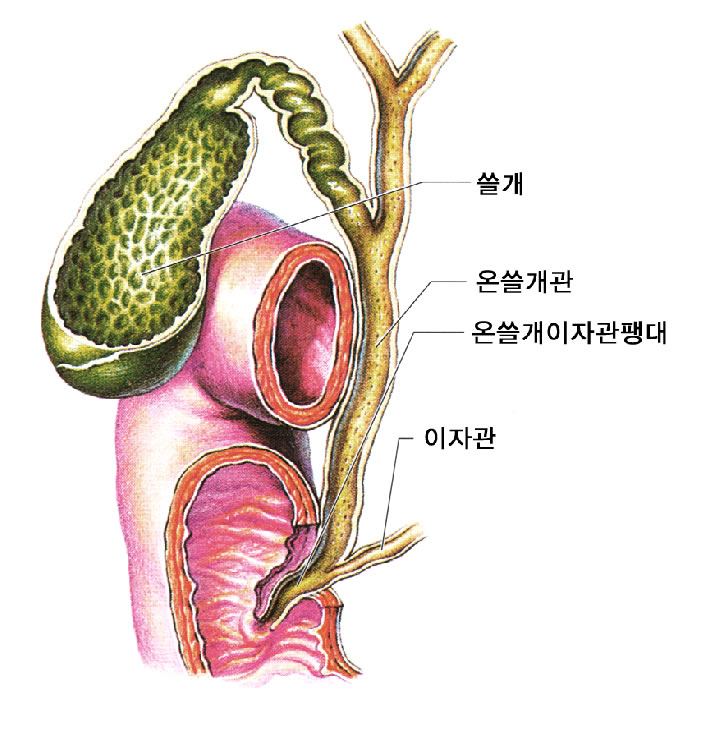
  °£¿¡¼­ ¸¸µé¾îÁø ¾µ°³ÁóÀ» ¼ö¼ÛÇϴ °üÁ¶Á÷ÀÇ ÀϺÎ. °£¿¡¼­ ¸¸µé¾îÁø ´ãÁóÀº °£°ü, ¾µ°³°üÀ» °ÅÃļ­ ¾µ°³¿¡ º¸°üµÇ¾ú´Ù°¡ ¿Â¾µ°³°üÀ» ÅëÇØ¼­ »ùâÀڷΠº¸³»Áø´Ù. ÀÌó·³ °£¿¡¼­ ¸¸µé¾îÁø ´ãÁóÀÌ »ùâÀÚ±îÁö ¹è¼³µÇ´Â ±æ·Î¼­ ±æÀ̴ 6~7cm À̸砰£°ü, ¾µ°³°ü, ¿Â¾µ°³°ü µûÀ§·Î ÀÌ·ç¾îÁ® ÀÖ´Ù.
¿µ¹® urinary bladder ÇÑ±Û ¹æ±¤
¼³¸í   
  °ñ¹Ý°­ÀÇ ¹èÂÊ¿¡ ÀÖ´Â, ¿äÀÇ ÀúÀ忪ÇÒÀ» Çϴ ±Ù¸·¼ºÀÇ ÁָӴϷΠ¿ä´Â ¿ä°üÀ¸·ÎºÎÅÍ À¯ÀÔµÇ°í ¹æ±¤Àº ´Ù½Ã ¿ÀÁÜÀ» ¿äµµ·Î ¹èÃâÇÑ´Ù. ¹æ±¤¿¡¼­ ¿äµµ·Î ÀÌÇàµÇ´Â ºÎÀ§´Â ¸ð¾ç¿¡ µû¶ó »ï°¢ºÎ(trigone)À̶ó ÇÑ´Ù. ³²¼º¿¡¼­´Â µÚ¿¡ Àü¸³»ù(prostate)ÀÌ ÀÖ´Ù.
¿µ¹® urinary system ÇÑ±Û ºñ´¢±â°èÅë
¼³¸í   
  ºñ´¢±â°èÅëÀ̶óÇϸé ÄáÆÏÀ¸·ÎºÎÅÍ ½ÃÀÛÇØ¼­ ¿ä°ü, ¹æ±¤, ¿äµµ¿¡ À̸£´Â ÀÏ·ÃÀÇ ¿ÀÁÜ»ý¼º ¹× ÀúÀå, ¹è¼³±â°üÀ» ÀÏÄ´´Ù. ÄáÆÏÀº ±æÀÌ ¾à 2.5cm, Æø ¾à 5.1cm, µÎ²² ¾à 2.5cm, ¹«°Ô ¾à 120~160gmÀ¸·Î¼­, ³»Ãø¿¡ ÄáÆÏ¹®ÀÌ ÀÖ¾î Ç÷°ü, ½Å°æ, ¿ä°üÀÌ ÃâÀÔÇϰí ÀÖ´Ù. ÄáÆÏÀº ¼ÓÁú°ú °ÑÁú·Î ÀÌ·ç¾îÁ® ÀÖÀ¸¸ç ¼öÁúÀº 10~15°³ÀÇ Ãßü(¿ÀÁÜÀ» ¸ðÀ¸´Â ¿ªÇÒ)¸¦ Çü¼ºÇ졒ʡÑÁúÀº ¾à 100¸¸°³ÀÇ ÄáÆÏ´ÜÀ§À¸·Î ±¸¼ºµÇ¾î ÀÖ´Ù. ¿ä¼¼°üÀº Å丮ÂÊ´¢¼¼°ü, Çî·¹°í¸®, ¸ÕÂÊ´¢¼¼°ü, ÁýÇÕ°üÀ¸·Î Çü¼ºµÇ¾î ÀÖÀ¸¸ç, Ãßü¿Í ¼úÀÜ, ±ò¶§±â¸¦ °ÅÃÄ ¿ä°üÀ¸·Î ¿¬°áµÈ´Ù.
  
  ÄáÆÏÀº Ç÷¾×À» ¿©°úÇÏ¿© ½Åü ½ÅÁø´ë»çÀÇ ÃÖÁ¾»ê¹°À» ¿ÀÁÜÀÇ ÇüÅ·Π¹è¼³Çϸç, ¼¼Æ÷¿Ü¾×(extracellular fluid)ÀÇ ÀüÇØÁú³óµµ¸¦ Á¶ÀýÇÑ´Ù. ÄáÆÏ¿¡¼­ Çü¼ºµÈ ¿ÀÁܴ ¿ä°üÀ» °ÅÃÄ ¹æ±¤¿¡¼­ ÀúÀåµÇ°í ÀÖ´Ù°¡ Àû´çÇÑ ½Ã±â°¡ µÇ¸é ¿äµµ¸¦ ÅëÇØ ¿Ü°è·Î ¹èÃâµÈ´Ù.
´ëÇÑÀÇÇù ÀÇÇпë¾î »çÀü °Ë»ö À¯»ç °Ë»ö °á°ú : 15 ÆäÀÌÁö: 1
  • ¿µ¹®
    ÇѱÛ
  • urinary tract
    ¿ä·Î
  • hamstring muscles
    ³Ò´Ù¸®µÚ±ÙÀ°
  • obturator muscles
    Æó¼â±Ù
  • suboccipital muscles
    µÚÅë¼ö¹Ø±ÙÀ°, ÈĵÎÇϱÙ
  • acute urinary retention
    ±Þ¼º¼Òº¯Á¤Ã¼, ±Þ¼º¿äÁ¤Ã¼
  • colonic urinary reservoir
    Àß·ÏâÀÚ´¢ÀúÀå¼Ò, ´ëÀå´¢ÀúÀå¼Ò
  • stress urinary incontinence
    º¹¾Ð¿ä½Ç±Ý, º¹¾Ð¿ÀÁÜ»õ±â, ½ºÆ®·¹½º¿ä½Ç±Ý
  • urinary
    1. ¿ä-, ¼Òº¯- 2. ºñ´¢-, ¿ä·Î-
  • urinary anomaly
    ºñ´¢±â±âÇü, ºñ´¢±âÀÌ»ó
  • urinary cast
    ¼Òº¯¿øÁÖ
  • urinary continence
    ¹è´¢ÀÚÁ¦, ¼Òº¯Âü±â
  • urinary diversion
    ¿ä·ÎÀüȯ(¼ú)
  • urinary fistula
    ¿ä·Î»û±æ, ¿ä·Î·ç
  • urinary frequency
    ºó´¢
  • urinary hesitancy
    ¼Òº¯ÁÖÀú, ¹è´¢Áö¿¬
´ëÇÑÀÇÇù Çʼö ÀÇÇпë¾îÁý »çÀü °Ë»ö À¯»ç °Ë»ö °á°ú : 15 ÆäÀÌÁö: 1
  • ¿µ¹®
    ÇѱÛ
  • urinary tract
    ¿ä·Î
  • urinary frequency
    ºó´¢
  • stress urinary incontinence
    º¹¾Ð¿ä½Ç±Ý, º¹¾Ð¿ÀÁÜ»õ±â
  • urinary incontinence
    ¿ä½Ç±Ý, ¿ÀÁÜ»õ±â
  • urinary sediment
    ¿äħÀü¹°, ¼Òº¯Ä§Àü¹°
  • urinary system
    ºñ´¢°èÅë
  • tract
    ±æ, ·Î, µµ, °ü
  • aerodigestive tract
    È£Èí¼ÒÈ­°ü
  • biliary tract
    ´ãµµ, ´ã°ü, ¾µ°³±æ
  • bypass tract
    ¹æ½Ç¿ìȸ·Î
  • corticospinal tract
    °ÑÁúô¼ö·Î, ÇÇÁúô¼ö·Î
  • descending tract
    ³»¸²±æ, ÇÏÇà·Î
  • digestive tract
    ¼ÒÈ­°ü
  • fistulous tract
    »û±æ
  • gastrointestinal tract
    À§Ã¢ÀÚ±æ, À§Àå°ü
¿¾ ´ëÇÑÀÇÇù ÀÇÇпë¾î »çÀü °Ë»ö À¯»ç °Ë»ö °á°ú : 15 ÆäÀÌÁö: 1
  • ¿µ¹®
    ÇѱÛ
  • urinary tract
    ¿ä·Î
  • acute urinary retention
    ±Þ¼º¿äÃàÀû
  • urinary anomaly
    ºñ´¢±âÀÌ»ó, ºñ´¢±â±âÇü
  • colonic urinary reservoir
    Àß·èâÀÚ´¢ÀúÀå¼Ò, ´ëÀå´¢ÀúÀå¼Ò
  • urinary cast
    ¿ä¿øÁÖ
  • urinary continence
    ¹è´¢ÀÚÁ¦
  • urinary solute concentration
    ¿ä¿ëÁú³óµµ
  • urinary diversion
    ¿ä·ÎÀüȯ¼ú
  • urinary fistula
    ¿ä·Î»û±æ
  • urinary frequency
    ºó´¢
  • urinary incontinence
    ¿ä½Ç±Ý, ¿ÀÁÜÂñ²ûÁõ, ¿ÀÁÜ»õ±âÁõ
  • urinary organ
    ºñ´¢±â°ü
  • prostatic urinary sphincter
    Àü¸³»ù¿äµµÁ¶ÀÓ±Ù
  • urinary schistosomiasis
    ¹æ±¤ÁÖÇ÷ÈíÃæÁõ
  • urinary sediment
    ¿äħÀü¹°, ¼Òº¯Ä§Àü¹°
¿¾ ´ëÇÑÀÇÇù 2 ÀÇÇпë¾î »çÀü °Ë»ö À¯»ç °Ë»ö °á°ú : 15 ÆäÀÌÁö: 1
  • ¿µ¹®
    ÇѱÛ
  • infection, urinary tract
    ¿ä·Î°¨¿°
  • anterior corticospinal tract anterior pyramidal tract
    ¾Õ°ÑÁúô¼ö·Î ¾ÕÇǶó¹Ô·Î
  • acute urinary retention
    ±Þ¼º ¿äÆó
  • prostatic urinary sphincter
    Àü¸³¼± ¿äµµ°ý¾à±Ù
  • Intercostal muscles
    ´Á°£±Ø(ÒñÊàÐÀ)
  • Internal intercostal muscles
    ¼Ó°¥ºñ»çÀ̱Ù
  • abdominal muscles
    ¹è±ÙÀ°
  • arrector pili muscles
    Åм¼¿ò±Ù
  • group of muscles
    ±ÙÀ°¹«¸®, ±Ù__ÐÉÏØ).
  • group of muscles
    ±ÙÀ°¹«¸®, ±Ù±º(ÐÉÏØ).
  • hamstring muscles ; biceps femoris muscle ; semitendineus muscle ; semi menbrabeus muscle ; sartori
    ½½¿ÍºÎ±ÙÀ°__
  • infrahyoid muscles
    ¼³°ñÇϱÙ
  • infrahyoid muscles
    ¸ñ»Ô¾Æ·¡±ÙÀ°
  • pharyngeal muscles
    ÀεαÙÀ°
  • prevertebral muscles
    ôÁÖ¾Õ±ÙÀ°
¿¾ ´ëÇÑÀÇÇù 3 ÀÇÇпë¾î »çÀü °Ë»ö ¸ÂÃã °Ë»ö °á°ú : 1 ÆäÀÌÁö: 1
  • ¿µ¹®
    ÇѱÛ
  • muscles of urinary tract
    ºñ´¢°ü±ÙÀ°
¿¾ ´ëÇÑÀÇÇù 3 ÀÇÇпë¾î »çÀü °Ë»ö À¯»ç °Ë»ö °á°ú : 15 ÆäÀÌÁö: 1
  • ¿µ¹®
    ÇѱÛ
  • cystourethrography for urinary tract obstruction
    ¹æ±¤¿äµµÁ¶¿µ(ÃÔ¿µ)¼ú
  • defect of urinary tract
    ºñ´¢±â°ü°áÇÔ
  • infection, urinary tract
    ¿ä·Î°¨¿°
  • lower urinary tract
    ÇϺοä·Î(ù»Ý»èñÖØ).
  • specific urinary tract infection
    ƯÀ̼º ¿ä·Î°¨¿°
  • urinary tract
    ¿äµµ
  • urinary tract
    ¿ä·Î(èñÖØ)
  • urinary tract infection
    ¿ä·Î°¨¿°Áõ (¡­Êïæøñø).
  • urinary tract obstruction
    ¿ä·ÎÆó¼â(èñÖØøÍáð).
  • cervical muscles ; muscles colli
    ¸ñÀDZÙÀ°, °æ±Ù.
  • intertransverse muscles ³ª muscles intertransversarii
    Ⱦ°£ ±Ù(üôÊàÐÉ), Ⱦµ¹±â°£ ±Ù.
  • intertransverse muscles ³ª muscles intertransversarii
    Ⱦµ¹±â°£±Ù.
  • lumbrical muscles of hand ³ª muscles lumbricales manus
    ¼öºÎÀÇ Ãæ¾ç ±Ù(â¢Ý»õùåÆÐÉ), (¼ÕÀÇ) Ãæ¾ç±Ù .
  • palmar interosseous muscles ³ª muscles interossei palmares
    ¼öÀåÃø °ñ°£ ±Ù(â¢íæö°ÍéÊàÐÉ)
  • palmar interosseous muscles ³ª muscles interossei palmares
    ÀåÃø°ñ°£ ±Ù.
´ëÇÑÇØºÎÇÐȸ ÀÇÇпë¾î »çÀü °Ë»ö ¸ÂÃã °Ë»ö °á°ú : 1 ÆäÀÌÁö: 1
  • ¿µ¹®
    ÇѱÛ
  • Muscles of urinary tract
    ºñ´¢°ü±ÙÀ°
    [¿¾ ¿ë¾î] ºñ´¢°ü±Ù
´ëÇÑÇØºÎÇÐȸ ÀÇÇпë¾î »çÀü °Ë»ö À¯»ç °Ë»ö °á°ú : 15 ÆäÀÌÁö: 1
  • ¿µ¹®
    ÇѱÛ
  • Muscles of genital tract
    »ý½Ä°ü±ÙÀ°
    [¿¾ ¿ë¾î] »ý½Ä°ü±Ù
  • Muscles of respiratory tract
    È£Èí°ü±ÙÀ°
    [¿¾ ¿ë¾î] È£Èí°ü±Ù
  • Lateral corticospinal tract [Lateral pyramidal tract]
    °¡ÂʰÑÁúô¼ö·Î [°¡ÂÊÇǶó¹Ô·Î]
    [¿¾ ¿ë¾î] ¿ÜÃøÇÇÁúô¼ö·Î(ÃßÃ¼Ãø»è·Î)
  • Anterior corticospinal tract [Anterior pyramidal tract]
    ¾Õ°ÑÁúô¼ö·Î [¾ÕÇǶó¹Ô·Î]
    [¿¾ ¿ë¾î] ÀüÇÇÁúô¼ö·Î(ÃßüÀü»è·Î)
  • Urinary bladder
    ¹æ±¤
    [¿¾ ¿ë¾î] ¹æ±¤
  • Trigon of urinary bladder
    ¹æ±¤»ï°¢
    [¿¾ ¿ë¾î] ¹æ±¤»ï°¢
  • URINARY ORGAN
    ºñ´¢±â°ü
    [¿¾ ¿ë¾î] ºñ´¢±â°ü
  • URINARY ORGANS
    ºñ´¢±â°ü
    [¿¾ ¿ë¾î] ºñ´¢±â
  • Urinary pole
    ¿ä¼¼°ü±Ø
    [¿¾ ¿ë¾î] ¿ä°ü±Ø
  • Transversospinalis muscles
    °¡·Îµ¹±â°¡½Ã±ÙÀ°
    [¿¾ ¿ë¾î] Ⱦµ¹±â±Ø±Ù
  • Intertransversii muscles
    °¡·Îµ¹±â»çÀ̱ÙÀ°
    [¿¾ ¿ë¾î] Ⱦµ¹±â°£±Ù
  • Pectoralis muscles
    °¡½¿±ÙÀ°
    [¿¾ ¿ë¾î] Èä±Ù
  • Auricular muscles
    ±Ó¹ÙÄû±ÙÀ°
    [¿¾ ¿ë¾î] À̰³±Ù
  • Muscles of auditory ossicles
    ±Ó¼Ó»À±ÙÀ°
    [¿¾ ¿ë¾î] À̼Ұñ±Ù
  • Papillary muscles
    ²ÀÁö±ÙÀ°
    [¿¾ ¿ë¾î] À¯µÎ±Ù
´ëÇѱâ»ýÃæÇÐȸ ÀÇÇпë¾î »çÀü °Ë»ö À¯»ç °Ë»ö °á°ú : 1 ÆäÀÌÁö: 1
  • ¿µ¹®
    ÇѱÛ
  • urinary schistosomiasis
    ¹æ±¤ÁÖÇ÷ÈíÃæÁõ
KI ÀÇÇпë¾î »çÀü °Ë»ö À¯»ç °Ë»ö °á°ú : 15 ÆäÀÌÁö: 1
  • ¿µ¹®
    ÇѱÛ
  • urinary tract
    ¿ä·Î
  • multifidus muscles
    ¹µ°¥·¡±Ù, ´Ù¿­±Ù
  • rotatores muscles
    ȸ¼±±Ù
  • exotropy of urinary bladder
    ¹æ±¤¿Ü
  • urinary
    ¿äÀÇ
  • urinary bladder
    ¹æ±¤
  • urinary calculus
    ¿ä°á¼®, ¿ä¼®
  • urinary difficulty
    ´¢·ÎÀå¾Ö
  • urinary diversion
    ¿ä·ÎÀüȯ¼ú
  • urinary fistula
    ¿äÇǽºÅø¶ó, ¿ä·ç
  • urinary frequency
    ºó´¢
  • urinary obstruction
    ¿ä·ÎÆó»ö
  • urinary retention
    ¿äÆó, ¿äÁ¤Ã¼
  • urinary system
    ºñ´¢±â°è
  • alimentary tract
    ¼ÒÈ­°ü, ¿µ¾ç°ü
KMLE ÀÇÇоà¾î »çÀü À¯»ç °Ë»ö °á°ú : 5 ÆäÀÌÁö: 1
ECG Electro-Cardio-Graphy(-Gram); ½ÉÀüµµ
   = EKG
  1. Conducting System Structu...
UTI urinary tract infection; urinary trypsin inhibitor
MT magnetization transfer; malaria therapy; malignant teratoma; mammary tumor; mammilothalamic tract; m...
LRI lamina rara interna; lower respiratory [tract] illness; lower respiratory [tract] infection; lymphoc...
LRTI lower respiratory tract illness; lower respiratory tract infection
KMLE ÀÚµ¿ÃßÃâ ÀÇÇоà¾î »çÀü À¯»ç °Ë»ö °á°ú : 5 ÆäÀÌÁö: 1
UTI 3-urinary tract infection
LUTS Lower urinary tract symptoms
RUTI Recurrent urinary tract infections
U.U.T. Upper Urinary Tract
LUT lower urinary tract
°æºÏ´ë Ä¡°ú´ëÇÐ ±¸°­³»°ú ±³½Ç »çÀü À¯»ç °Ë»ö °á°ú : 15 ÆäÀÌÁö: 1
  • ¿µ¹®
    ÇѱÛ
    ¼³¸í
  • urinary tract
    ¿ä·Î
  • lateral corticospinal tract lateral pyramidal tract
    °¡ÂÊ °ÑÁú ô¼ö·Î, °¡ÂÊ ÇǶó¹Ô·Î
  • constrictor muscles of pharynx
    ÀεΠ¼öÃà ±ÙÀ°, ÀεΠ¼öÃà±Ù
  • lateral rotator muscles
    ¿Ü¼±±Ù
    ¸öÀÇ ºÎÀ§°¡ ¹Ù±ùÂÊÀ¸·Î ȸÀüÇϴµ¥ ÇàÇÏ´Â ±ÙÀ°.
  • muscles of anterior abdominal wall
    ¾Õ ¹èº® ±ÙÀ°
  • muscles of mastication
    ÀúÀÛ±Ù
  • ocular muscles
    ¾È±¸ ±ÙÀ°
  • rotatores muscles
    ȸ¼±±Ù
  • tenor tympani muscles
    °í¸·Àå±Ù
    µ¿ÀǾî=tensor muscle fo tym
  • proximal urinary tubule
    ±ÙÀ§ ¼¼´¢°ü
    ½Å ¼Òü¿¡¼­ Çî·¹¾¾ °í¸®¿¡ À̸£´Â ¿ä ¼¼°üÀÌ°í ½Å ¼Òü µÑ·¹¿¡¼­ ¿ìÃøÀ¸·Î ±¸ºÎ·¯Áø ±ÙÀ§ ¿ì°îºÎ¿Í ¼ö¹æ¼±À̳ª ¼öÁú ¼Ó¿¡ »¸¾î¼­ Á÷ÇàÇÏ´Â ±ÙÀ§Á÷ºÎ·Î ÀÌ·ç¾îÁø´Ù. Å©±â´Â 40-60umÀÌ°í »óÇÇ Á¶Á÷Àº °­ÇÑ »êÈ£¼ºÀ» ³ªÅ¸³»¸ç ÀÚÀ¯ Ç¥¸éÀº ¼âÀÚ¿¬, ±âÀúºÎ¿¡´Â ±âÁ¶ ¼±Á¶°¡ ¶Ñ·ÇÇÏ°Ô ¹ß´ÞÇϰí ÀÖ´Ù. ¼¼Æ÷°£ °¨¾ÐÀÌ ¹ß´ÞÇϰí ÀÎÁ¢ÇÑ ¼¼Æ÷ÀÇ °æ°è°¡ ºÒÈ®½ÇÇÏ´Ù. ¿©±â¼­´Â ¿ø´¢ ÁßÀÇ ¼öºÐ°ú ÀüÇØ ÁßÀÇ 75%°¡ Ç÷¾× ¼Ó¿¡ ÀçÈí¼öµÇ°í ¾Æ¹Ì³ë»êÀ̳ª Æ÷µµ´çµµ ÀçÈí¼öµÈ´Ù.
  • supravesical urinary diversion
    ¹æ±¤ »óºÎ ¿ä·Î Àüȯ¼ú
  • urinary
    ¿äÀÇ, ºñ´¢ÀÇ
  • urinary calculus
    ¿ä°á¼®, ¿ä¼®
    ¿ä·Î¿¡ »ý±â´Â °á¼®À» ÃÑĪÇÏ´Â °Í.
  • urinary diversion
    ¿ä·Î Àüȯ¼ú
  • urinary frequency
    ºó´¢
CancerWEB ¿µ¿µ ÀÇÇлçÀü À¯»ç °Ë»ö °á°ú : 15 ÆäÀÌÁö: 1
pregnancy danger from urinary tract infection A pregnant woman who develops a uti should be treated promptly to avoid premature delivery of her baby and other risks such as high blood pressure. Some antibiotics are not safe to take during pregnancy. In selecting the best treatment, doctors consider various factors such as the drug's effectiveness, the stage of pregnancy, the mother's health, and potential effects on the foetus.
(12 Dec 1998)
infection, urinary tract An infection in the urinary system that begins when microorganisms cling to the opening of the urethra (the canal from the bladder) and begin to multiply. most utis are due to one type of bacteria, e. (escherichia) coli, a normal denisen of the colon. An infection in the urethra leads to inflammation called urethritis. From there bacteria may move up, causing a bladder infection (cystitis) and if the infection is not treated promptly, bacteria may go up the ureters to infect the kidneys (pyelonephritis). Factors leading to uti include any abnormality of the urinary tract (such as a urinary tract malformation or a kidney stone) that obstructs the flow of urine, an enlarged prostate gland that slows the flow of urine, catheters (tubes) in the bladder, diabetes (due to changes of the immune system), and any disorder that suppresses the immune system. Women have more uti than men, probably because a woman's urethra is shorter (allowing bacteria quick access to the bladder) and nearer sources of bacteria from the anus and vagina. For many women, sexual intercourse seems to trigger an infection, as may the use of a diaphragm. Not everyone with a uti has symptoms but symptoms commonly include a frequent urge to urinate and a painful, burning when urinating (dysuria). The urine may look milky or cloudy, even reddish if blood is present. Kidney infection can cause pain in the back or side below the ribs. In children, symptoms may be easily missed or misunderstood. A child with a uti may be irritable, not eat normally, have an unexplained fever, have incontinence or loose bowels, or just not thrive.
(12 Dec 1998)
urinary tract The organs of the body that produce and discharge urine. These include the kidneys, ureters, bladder, and urethra.
(12 Dec 1998)
urinary tract infection A bacterial infection of the urethra, bladder, ureters or kidneys (part of the urinary tract).
Common symptoms of a urinary tract infection include pain with urination, urinary urgency and increased frequency of urination.
Acronym: UTI
(15 Nov 1997)
urinary tract infections Infections affecting those structures of the body which participate in the secretion and elimination of urine, i.e., the kidney, the ureters, the urinary bladder, and the urethra.
(12 Dec 1998)
urinary tract physiology Functions and activities of the urinary tract as a whole or of any of its parts.
(12 Dec 1998)
antibody-coated bacteria test, urinary Fluorescent antibody technique for visualizing antibody-bacteria complexes in urine. The presence or absence of antibody-coated bacteria in urine correlates with localization of urinary tract infection in the kidney or bladder, respectively.
(12 Dec 1998)
anti-infective agents, urinary Substances capable of killing agents causing urinary tract infections or of preventing them from spreading.
(12 Dec 1998)
apex of urinary bladder The junction of the superior and anteroinferior surfaces of the bladder, continuous above with the median umbilical ligament.
Synonym: apex vesicae.
(05 Mar 2000)
blood, urinary Medically called haematuria, blood in the urine can be microscopic or gross. Evaluating haematuria requires consideration of the entire urinary tract. Tests used for the diagnosis of haematuria include the intravenous pyelogram (IVP), cystoscopy, and urine cytology. Management of haematuria depends upon the underlying cause.
(12 Dec 1998)
body of urinary bladder The portion of the bladder between the apex and fundus.
Synonym: corpus vesicae urinariae.
(05 Mar 2000)
reproductive and urinary physiology Physiology of the human and animal body, male or female, in the reproductive process and the physiology of the urinary tract.
(12 Dec 1998)
mucosa of urinary bladder The inner coat of the urinary bladder.
Synonym: tunica mucosa vesicae urinariae.
(05 Mar 2000)
muscular coat of urinary bladder Muscular layer of the wall of the urinary bladder.
Synonym: tunica muscularis vesicae urinariae.
(05 Mar 2000)
serosa of urinary bladder Serous coat of the urinary bladder; the visceral peritoneum covering the roof and lateral walls of the urinary bladder.
Synonym: tunica serosa vesicae urinariae.
(05 Mar 2000)
ÇÑ¿µ/¿µÇÑ »çÀü À¯»ç °Ë»ö °á°ú : 6 ÆäÀÌÁö: 1
  • ¿µ¹®
    ÇѱÛ
  • urinary
    ¿ÀÁÜÀÇ
  • urinary
    ¿ÀÁÜÀÇ;ºñ´¢±âÀÇ;¼Òº¯¼Ò
  • tract
    ¼ÒÃ¥ÀÚ; ÆÊÇ÷¿
  • census tract
    (´ëµµ½ÃÀÇ)Àα¸Á¶»ç Ç¥ÁØÁö¿ª;±¹¼¼Á¶»ç ´ÜÀ§
  • tract
    ³ÐÀº ¶¥;Áö¿ª;(ÇÏ´Ã,¹Ù´ÙÀÇ)³ÐÀÌ;±â°£;°ü;°èÅë
  • tract
    ¼Ò³í¹®;¼ÒÃ¥ÀÚ;(Á¾±³ °ü°èÀÇ)ÆÊÇ÷¿
ÀÌ ¾Æ·¡ ºÎÅÍ´Â °á°ú°¡ ¾ø½À´Ï´Ù.
KMLE ¾àǰ/ÀǾàǰ ¸ÂÃã °Ë»ö °á°ú : 0 ÆäÀÌÁö: 1
  • Á¦Ç°¸í
    ¼ººÐ/ÇÔ·®
    ±¸ºÐ/º¸Çè±Þ¿©
KMLE ¾àǰ/ÀǾàǰ À¯»ç °Ë»ö °á°ú : 0 ÆäÀÌÁö: 1
  • Á¦Ç°¸í
    ¼ººÐ/ÇÔ·®
    ±¸ºÐ/º¸Çè±Þ¿©
¾Ë±â½¬¿î ÀÇÇпë¾îÇ®ÀÌÁý, ¼­¿ïÀÇ´ë ±³¼ö ÁöÁ¦±Ù, °í·ÁÀÇÇÐ ÃâÆÇ ¸ÂÃã °Ë»ö °á°ú : 0 ÆäÀÌÁö: 1
´ëÇÑÀÇÇù ÀÇÇпë¾î »çÀü °Ë»ö ¸ÂÃã °Ë»ö °á°ú : 0 ÆäÀÌÁö: 1
  • ¿µ¹®
    ÇѱÛ
´ëÇÑÀÇÇù Çʼö ÀÇÇпë¾îÁý »çÀü °Ë»ö ¸ÂÃã °Ë»ö °á°ú : 0 ÆäÀÌÁö: 1
  • ¿µ¹®
    ÇѱÛ
¿¾ ´ëÇÑÀÇÇù ÀÇÇпë¾î »çÀü °Ë»ö ¸ÂÃã °Ë»ö °á°ú : 0 ÆäÀÌÁö: 1
  • ¿µ¹®
    ÇѱÛ
¿¾ ´ëÇÑÀÇÇù 2 ÀÇÇпë¾î »çÀü °Ë»ö ¸ÂÃã °Ë»ö °á°ú : 0 ÆäÀÌÁö: 1
  • ¿µ¹®
    ÇѱÛ
´ëÇѽŰæ¿Ü°úÇÐȸ ÀÇÇпë¾î »çÀü °Ë»ö ¸ÂÃã °Ë»ö °á°ú : 0 ÆäÀÌÁö: 1
  • ¿µ¹®
    ÇѱÛ
    ÇÑÀÚ
´ëÇѽŰæ¿Ü°úÇÐȸ ÀÇÇпë¾î »çÀü °Ë»ö À¯»ç °Ë»ö °á°ú : 0 ÆäÀÌÁö: 1
  • ¿µ¹®
    ÇѱÛ
    ÇÑÀÚ
´ëÇѱâ»ýÃæÇÐȸ ÀÇÇпë¾î »çÀü °Ë»ö ¸ÂÃã °Ë»ö °á°ú : 0 ÆäÀÌÁö: 1
  • ¿µ¹®
    ÇѱÛ
´ëÇÑ»ýÈ­ÇкÐÀÚ»ý¹°ÇÐȸ ¿ë¾î »çÀü °Ë»ö ¸ÂÃã °Ë»ö °á°ú : 0 ÆäÀÌÁö: 1
  • ¿µ¹®
    ÇѱÛ
´ëÇÑ»ýÈ­ÇкÐÀÚ»ý¹°ÇÐȸ ¿ë¾î »çÀü °Ë»ö À¯»ç °Ë»ö °á°ú : 0 ÆäÀÌÁö: 1
  • ¿µ¹®
    ÇѱÛ
KI ÀÇÇпë¾î »çÀü °Ë»ö ¸ÂÃã °Ë»ö °á°ú : 0 ÆäÀÌÁö: 1
  • ¿µ¹®
    ÇѱÛ
KMLE ÀÇÇоà¾î »çÀü ¸ÂÃã °Ë»ö °á°ú : 0 ÆäÀÌÁö: 1
KMLE ÀÚµ¿ÃßÃâ ÀÇÇоà¾î »çÀü ¸ÂÃã °Ë»ö °á°ú : 0 ÆäÀÌÁö: 1
ÀÇÇÐ³í¹® ¾àÀÚ(Pubmed/Entrez) °Ë»ö ¸ÂÃã °Ë»ö °á°ú : 0 ÆäÀÌÁö: 1
Çѱ¹Ç¥ÁØÁúº´»çÀκзù ¾àÀÚ ¸ÂÃã °Ë»ö °á°ú : 0 ÆäÀÌÁö: 1
  • ÄÚµå
    ¿µ¹®
    ÇѱÛ
Çѱ¹Ç¥ÁØÁúº´»çÀκзù ¾àÀÚ À¯»ç °Ë»ö °á°ú : 0 ÆäÀÌÁö: 1
  • ÄÚµå
    ¿µ¹®
    ÇѱÛ
°æºÏ´ë Ä¡°ú´ëÇÐ ±¸°­³»°ú ±³½Ç »çÀü ¸ÂÃã °Ë»ö °á°ú : 0 ÆäÀÌÁö: 1
  • ¿µ¹®
    ÇѱÛ
    ¼³¸í
CancerWEB ¿µ¿µ ÀÇÇлçÀü ¸ÂÃã °Ë»ö °á°ú : 0 ÆäÀÌÁö: 1
MeSH(Medical Subject Headings) ¸ÂÃã °Ë»ö (http://www.nlm.nih.gov) °á°ú : 0 ÆäÀÌÁö: 1
MeSH(Medical Subject Headings) À¯»ç °Ë»ö (http://www.nlm.nih.gov) °á°ú : 0 ÆäÀÌÁö: 1
¿ÜºÎ ¸µÅ© - Merriam-Webster's ÀÇÇлçÀü ¸ÂÃã °Ë»ö (https://www.merriam-webster.com) °á°ú: 0 ÆäÀÌÁö: 1
¿ÜºÎ ¸µÅ© - Merriam-Webster's ÀÇÇлçÀü À¯»ç °Ë»ö (https://www.merriam-webster.com) °á°ú: 0 ÆäÀÌÁö: 1
¿ÜºÎ ¸µÅ© - A.D.A.M. Medical Encyclopedia ¸ÂÃã °Ë»ö (http://www.nlm.nih.gov) °á°ú: 0 ÆäÀÌÁö: 1
¿ÜºÎ ¸µÅ© - A.D.A.M. Medical Encyclopedia À¯»ç °Ë»ö (http://www.nlm.nih.gov) °á°ú: 0 ÆäÀÌÁö: 1
¿ÜºÎ ¸µÅ© - MedlinePlus Health Topics ¸ÂÃã °Ë»ö (http://www.nlm.nih.gov) °á°ú: 0 ÆäÀÌÁö: 1
¿ÜºÎ ¸µÅ© - MedlinePlus Health Topics À¯»ç °Ë»ö (http://www.nlm.nih.gov) °á°ú: 0 ÆäÀÌÁö: 1
¿ÜºÎ ¸µÅ© - µå·¯±×ÀÎÆ÷ ¾àÇÐ Á¤º¸ ¸ÂÃã °Ë»ö (http://www.druginfo.co.kr) °á°ú: 0 ÆäÀÌÁö: 1
Á¦Ç°¸í
ÆÇ¸Å»ç
º¸ÇèÄÚµå ¼ººÐ/ÇÔ·®
±¸ºÐ/º¸Çè±Þ¿©
¿ÜºÎ ¸µÅ© - µå·¯±×ÀÎÆ÷ ¾àÇÐ Á¤º¸ À¯»ç °Ë»ö (http://www.druginfo.co.kr) °á°ú: 0 ÆäÀÌÁö: 1
Á¦Ç°¸í
ÆÇ¸Å»ç
º¸ÇèÄÚµå ¼ººÐ/ÇÔ·®
±¸ºÐ/º¸Çè±Þ¿©
¿ÜºÎ ¸µÅ© - WebMD.com Drug Reference ¸ÂÃã °Ë»ö (http://www.webmd.com) °á°ú: 0 ÆäÀÌÁö: 1
¿ÜºÎ ¸µÅ© - WebMD.com Drug Reference À¯»ç °Ë»ö (http://www.webmd.com) °á°ú: 0 ÆäÀÌÁö: 1
¿ÜºÎ ¸µÅ© - Drug.com Drugs by Medical Condition ¸ÂÃã °Ë»ö (http://www.drugs.com) °á°ú: 0 ÆäÀÌÁö: 1
¿ÜºÎ ¸µÅ© - Drug.com Drugs by Medical Condition À¯»ç °Ë»ö (http://www.drugs.com) °á°ú: 0 ÆäÀÌÁö: 1
KMLE À¥ ¿ë¾î ¸ÂÃã °Ë»ö °á°ú : 0 ÆäÀÌÁö: 1
KMLE À¥ ¿ë¾î À¯»ç °Ë»ö °á°ú : 0 ÆäÀÌÁö: 1
ÇÑ¿µ/¿µÇÑ »çÀü ¸ÂÃã °Ë»ö °á°ú : 0 ÆäÀÌÁö: 1
  • ¿µ¹®
    ÇѱÛ
WordNet ÀÏ¹Ý ¿µ¿µ »çÀü °Ë»ö °á°ú : 0 ÆäÀÌÁö: 1
¿ÜºÎ ¸µÅ© - American Heritage Dictionary ¿µ¿µ»çÀü ¸ÂÃã °Ë»ö (https://www.ahdictionary.com) °á°ú: 0 ÆäÀÌÁö: 1
¿ÜºÎ ¸µÅ© - American Heritage Dictionary ¿µ¿µ»çÀü À¯»ç °Ë»ö (https://www.ahdictionary.com) °á°ú: 0 ÆäÀÌÁö: 1
ÅëÇÕ°Ë»ö ¿Ï·á